

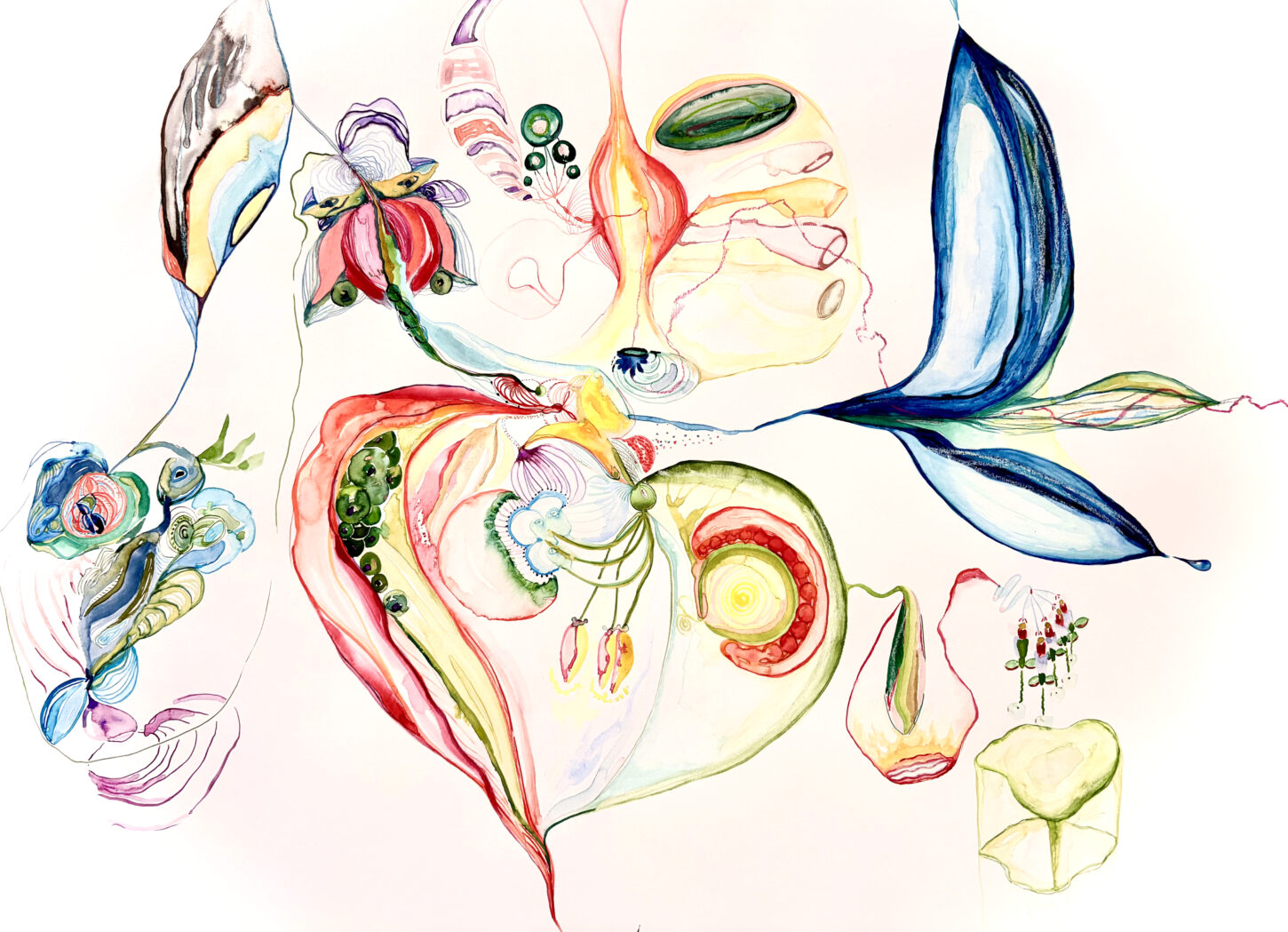
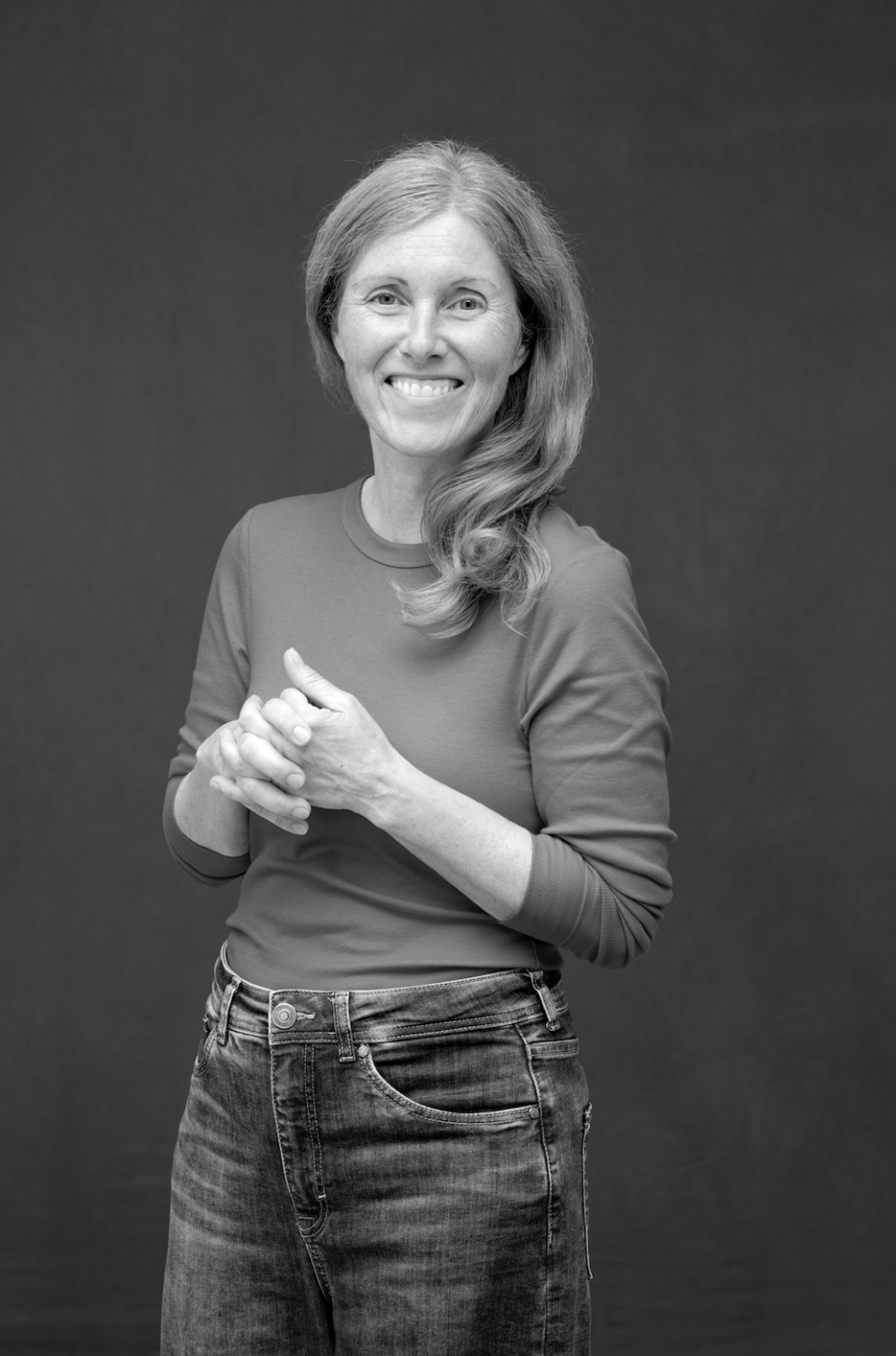
Every work begins with an emptiness: the paper is still only whiteness, and the future image does not yet exist — neither as concept nor as plan. For Heike Maria Kremer, the painter based in Aachen with an additional practice in Cologne, Germany, this is precisely the most important moment. It is here that her poetry begins.
Kremer calls her art Visual Poetry — and this is more than an elegant label. It is a declaration: that an image can work like a poem, not by telling but by suggesting; not by closing meanings but by setting them free. At the very centre of this practice stands Life itself — the essential, breathing core from which everything else radiates.
“My creative process unfolds as a form of Visual Poetry through spontaneity, experimentation, and the search for an independent visual language. My creative process is entirely process-driven and unplanned. I do not start with a concept; instead, I let the medium guide me.”
Her tools read like a poet’s vocabulary: watercolour, coloured pencil, and wax pastel on paper and canvas. Materials that tolerate no violence and cannot be fully controlled. And it is precisely there that their strength lies — Kremer does not fight the medium; she listens to it.
“Through the interplay of watercolour, coloured pencil, and wax pastel on paper and canvas, vibrant worlds emerge — filled with organic shapes, mythical creatures, floral structures, and vibrant organisms.”
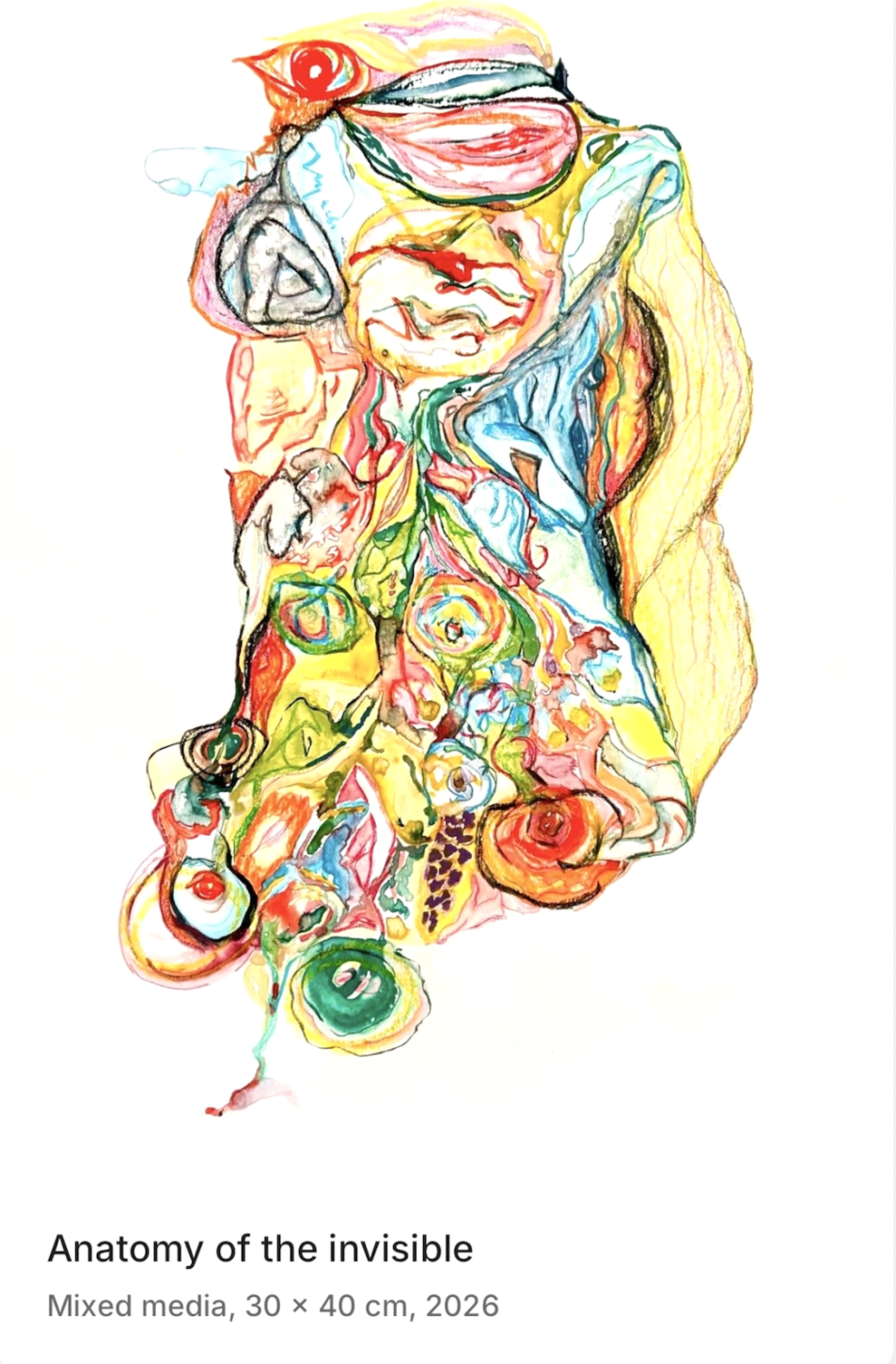
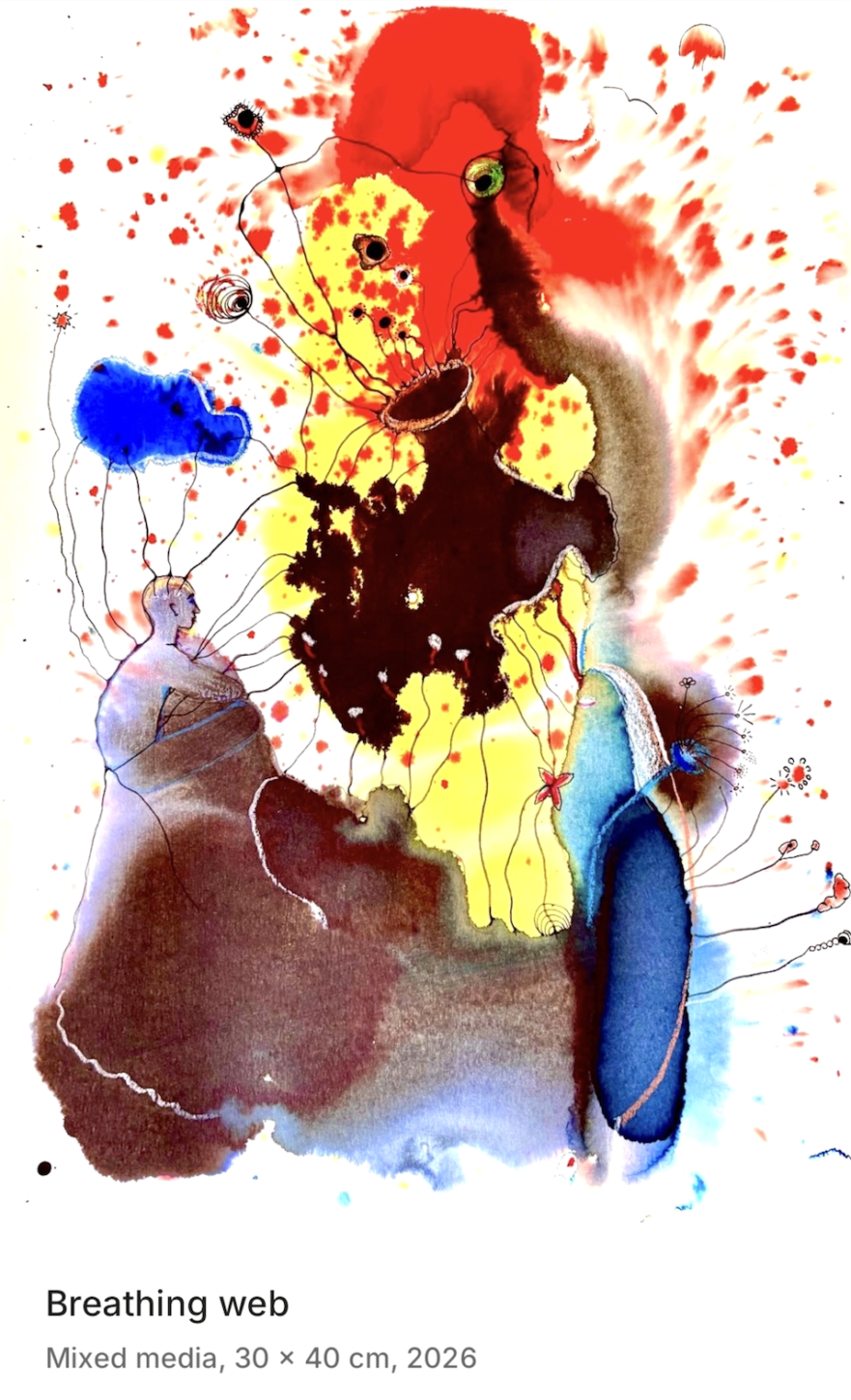
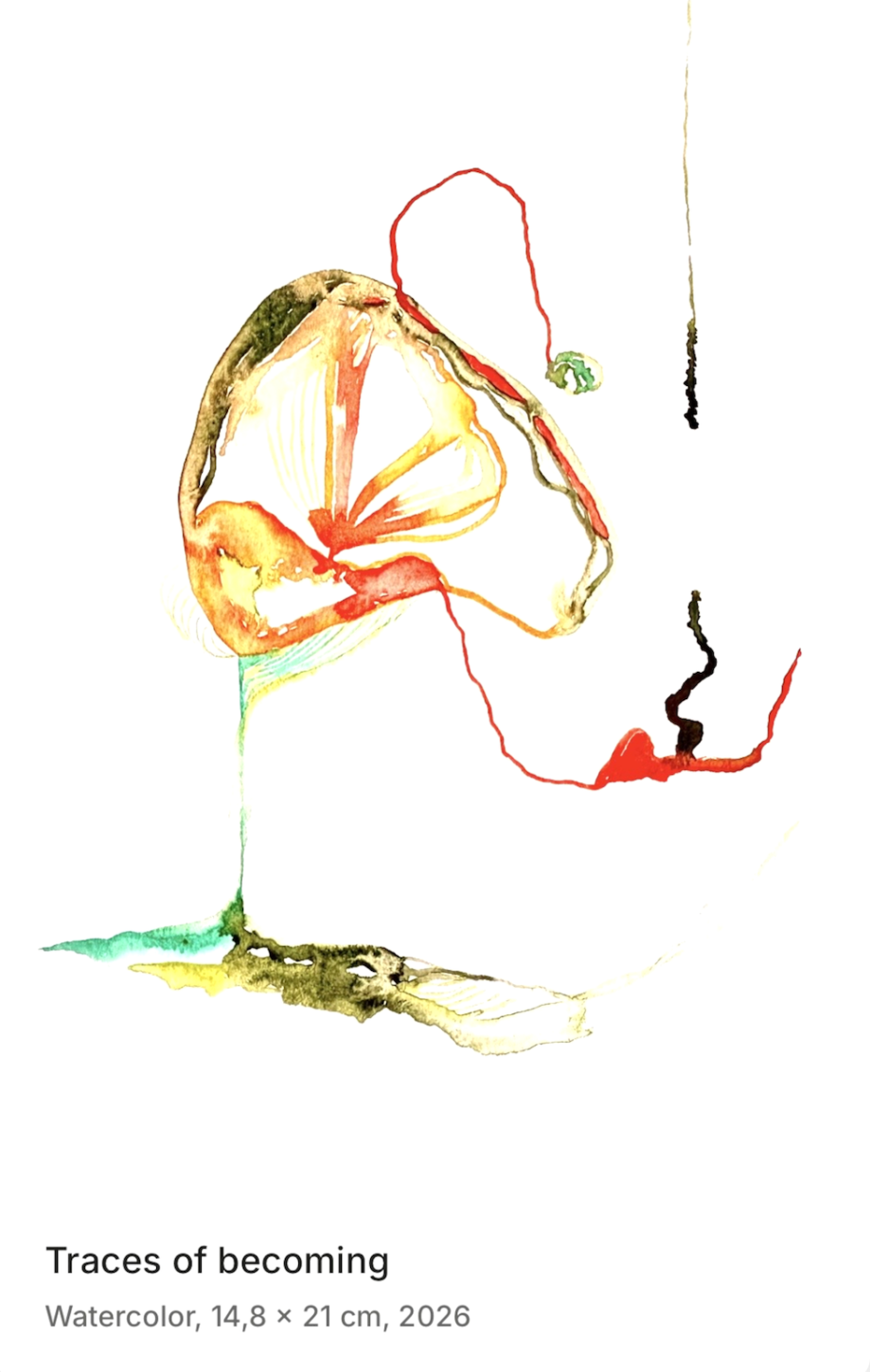
In her images appear beings that do not yet have names; landscapes that might just as well be the interior of a body; floral structures dissolving into abstraction. What connects them is the line — alive, extending itself like a thought before it becomes a word.
“The line acts as a living impulse, a central element in my work, connecting and transforming shapes rather than simply defining their boundaries.”
Not a contour, then, but a line. It does not enclose forms; it transforms them. What is familiar can become strange within it — and what is invisible seems to take shape.
Kremer works both with dense detail and with open spaces. In her images, whiteness is not absence but tension — the place where the viewer begins to hear their own breathing.
“I work with both detailed density and open spaces, allowing emptiness to create a delicate tension. My work does not dictate a single meaning or offer a predetermined narrative. It remains completely open, serving as a mirror.”
This may be the artist’s most courageous decision: not to tell the viewer what to see. Her paintings are not illustrations of a story already told — they are mirrors. They suspend the rush of the everyday and invite conversation.
“I invite the viewer to step into a dialogue with the painting, to slow down, and to connect deeply with their own inner emotions, discovering their own associations within the image.”

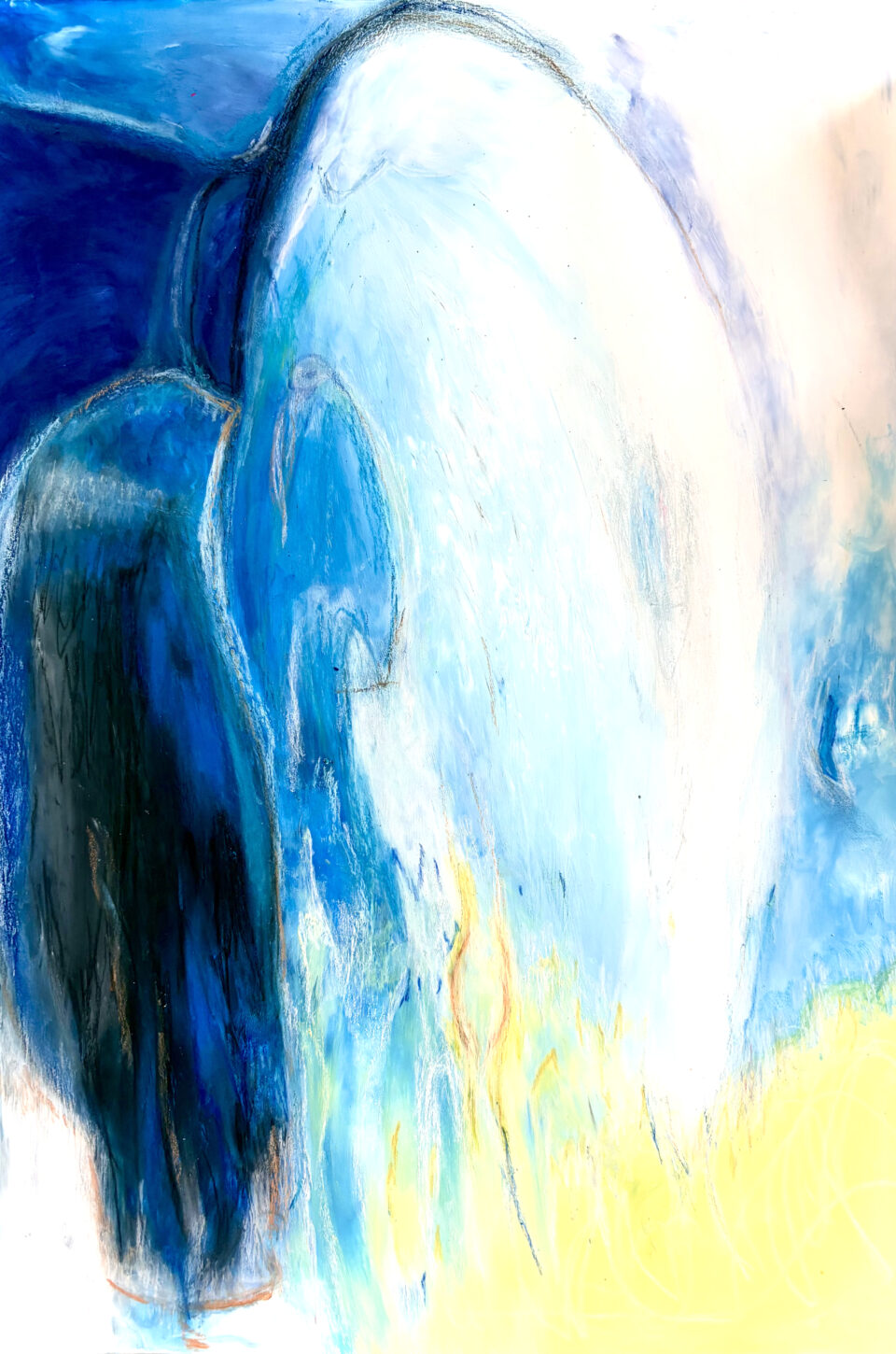
The year 2026 brought her work an international resonance. In October, three key pieces — Breathing Web, Inner Landscape, and Anatomy of the Invisible — were selected for the group exhibition “Fairytale” at Boji Gallery in Shibuya, Tokyo (Japan). At the same time, a cohesive cycle of five works — Breathing Web, Anatomy of the Invisible, Fragility, Traces of Becoming, and Life — was submitted for evaluation to both the prestigious Luxembourg Art Prize and the BBA Prizes in Berlin.
The common denominator of these images is vitality. Breathing Web — a respiring web that pulses. Inner Landscape — a landscape that turns out to be a map of the interior. Anatomy of the Invisible — the anatomy of what cannot be grasped. Fragility — the brittle beauty of existence. Traces of Becoming — the marks of a process that is never finished. And finally Life — the titular image, the core image, the very essence of the artist’s practice.
Her most recent works extend this poetics into spiritual dimensions: Nglaras draws on the Javanese philosophy of inner harmony and attuning the self, while Mirrors – Mundus Imaginalis leads into an intermediary realm — the place where active imagination translates inner life into visual form.
Kremer does not run a classical website. Her gallery is Instagram — @hei_imglueck — a space followed by more than 4,400 people. But these are not routine studio notes; it is the process itself, live: experiments, spontaneous leaps, the search for an independent visual language in real time. In an era when art can be hermetic, this directness works like a liberation.
If the work of Heike Maria Kremer had to be reduced to a single sentence, it would surely read: she paints images that breathe. Dense as a forest, empty as an inhalation, open as a poem without its final stanza.
There is no need to understand them. It is enough to stop.
Photo credits: From artist’s archieve
Leave a Reply