

 From 9 October 2026 to 7 February 2027, Rome’s Scuderie del Quirinale will present “Pontormo”, the first large monographic exhibition ever dedicated to Jacopo da Pontormo (1494–1557) outside his native Florence. Presented by Ales–Scuderie del Quirinale in partnership with the Gallerie degli Uffizi and produced with Electa, the exhibition gathers more than 130 works—including 84 by Pontormo himself—loaned from international museums, churches, and private collections, many of which have rarely been seen together.
Curated by Cristina Acidini with Elena Capretti, Philippe Costamagna, Bruce Edelstein, and Carlo Falciani, the exhibition unfolds in ten predominantly chronological sections that trace the artist’s career from his beginnings in republican Florence to the great commissions of the Medici era. Alongside paintings and frescoes, a substantial selection of drawings is on view, together with the autograph manuscript of the Libro mio, Pontormo’s extraordinary diary covering the years 1554–56.
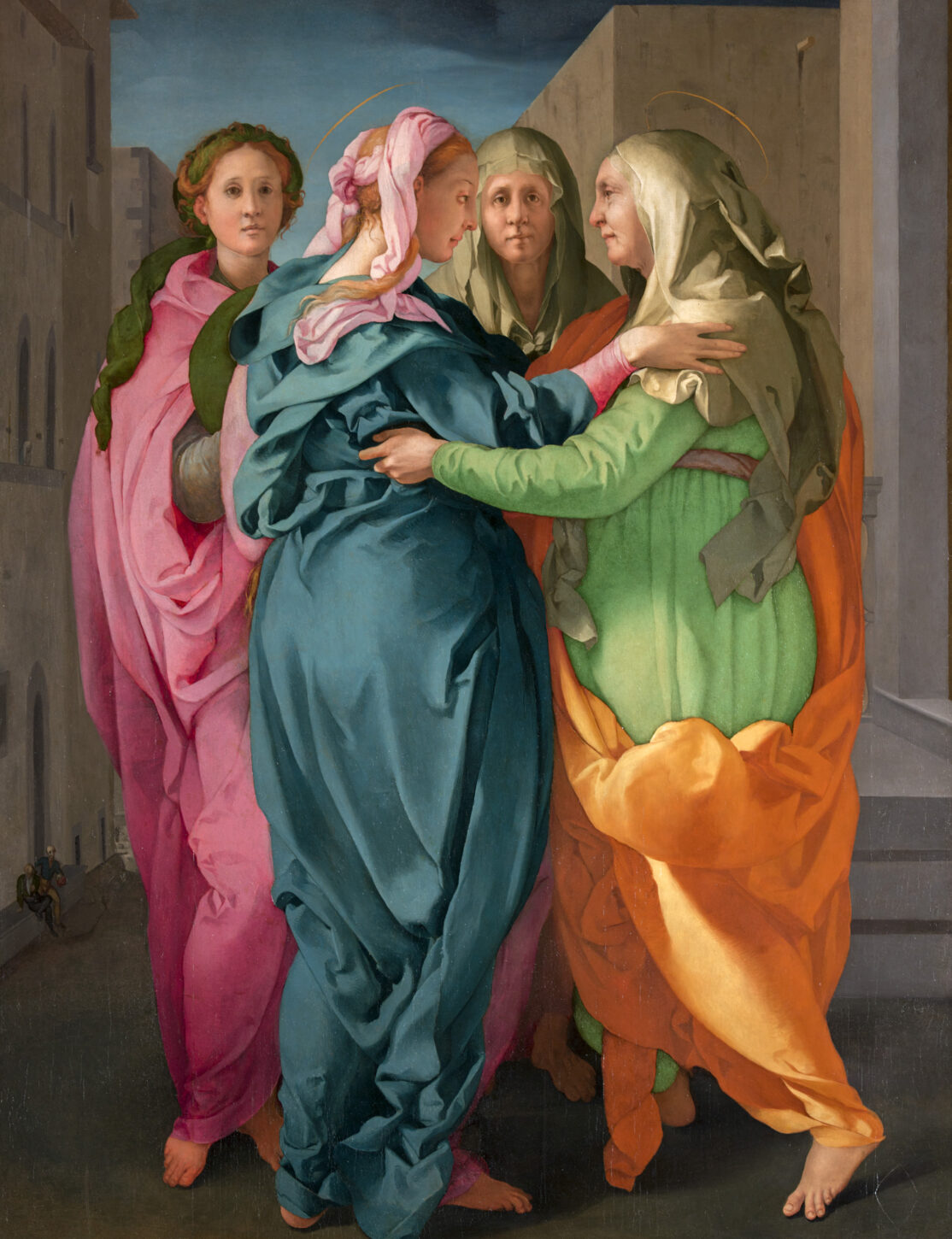
The exhibition is framed by two versions of one of Pontormo’s most beloved subjects: it opens with the youthful fresco of the Visitation (1514–16) from the Chiostro dello Scalzo in Florence, the work that established his reputation, and concludes with the celebrated Visitation of Carmignano (1528–32), one of the supreme achievements of Florentine Mannerism.
From 9 October 2026 to 7 February 2027, Rome’s Scuderie del Quirinale will present “Pontormo”, the first large monographic exhibition ever dedicated to Jacopo da Pontormo (1494–1557) outside his native Florence. Presented by Ales–Scuderie del Quirinale in partnership with the Gallerie degli Uffizi and produced with Electa, the exhibition gathers more than 130 works—including 84 by Pontormo himself—loaned from international museums, churches, and private collections, many of which have rarely been seen together.

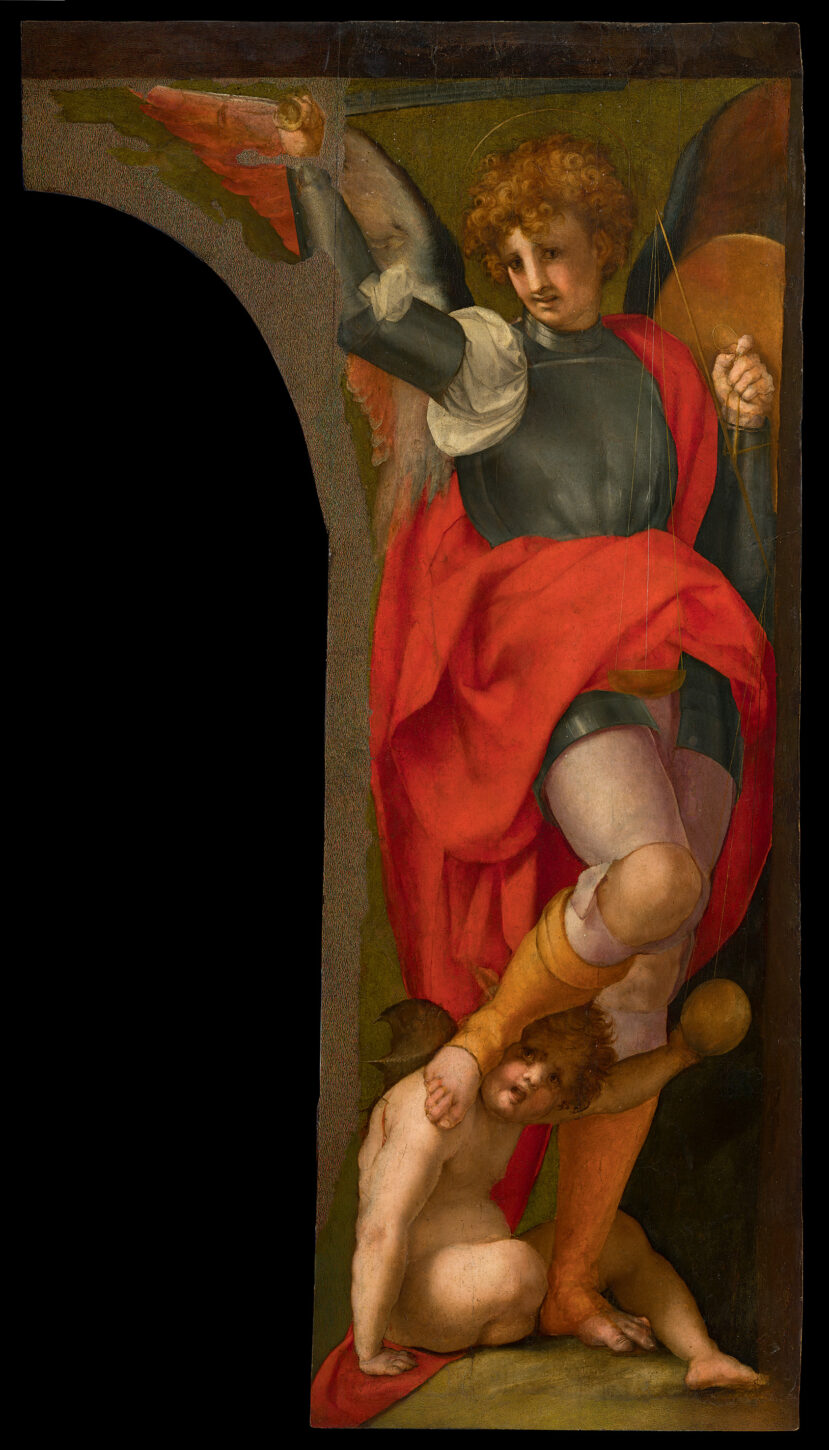
Curated by Cristina Acidini with Elena Capretti, Philippe Costamagna, Bruce Edelstein, and Carlo Falciani, the exhibition unfolds in ten predominantly chronological sections that trace the artist’s career from his beginnings in republican Florence to the great commissions of the Medici era. Alongside paintings and frescoes, a substantial selection of drawings is on view, together with the autograph manuscript of the Libro mio, Pontormo’s extraordinary diary covering the years 1554–56.
The exhibition is framed by two versions of one of Pontormo’s most beloved subjects: it opens with the youthful fresco of the Visitation (1514–16) from the Chiostro dello Scalzo in Florence, the work that established his reputation, and concludes with the celebrated Visitation of Carmignano (1528–32), one of the supreme achievements of Florentine Mannerism.
Among the other highlights are the panels of the Story of Joseph cycle, created collaboratively with Andrea del Sarto and Francesco Granacci for the Borgherini bridal chamber, and the Adoration of the Magi. Following recent conservation, four of the five Passion lunettes from the Certosa del Galluzzo (1523–25) are displayed—works painted when Pontormo and his pupil Bronzino took refuge there during the plague, and whose style inspired by Albrecht Dürer drew criticism from Giorgio Vasari. The naturalistic Supper at Emmaus and the Pietà from the Capponi Chapel, shown together with the four tondi of the Evangelists painted with Bronzino in an installation evoking the original chapel, form another major nucleus.
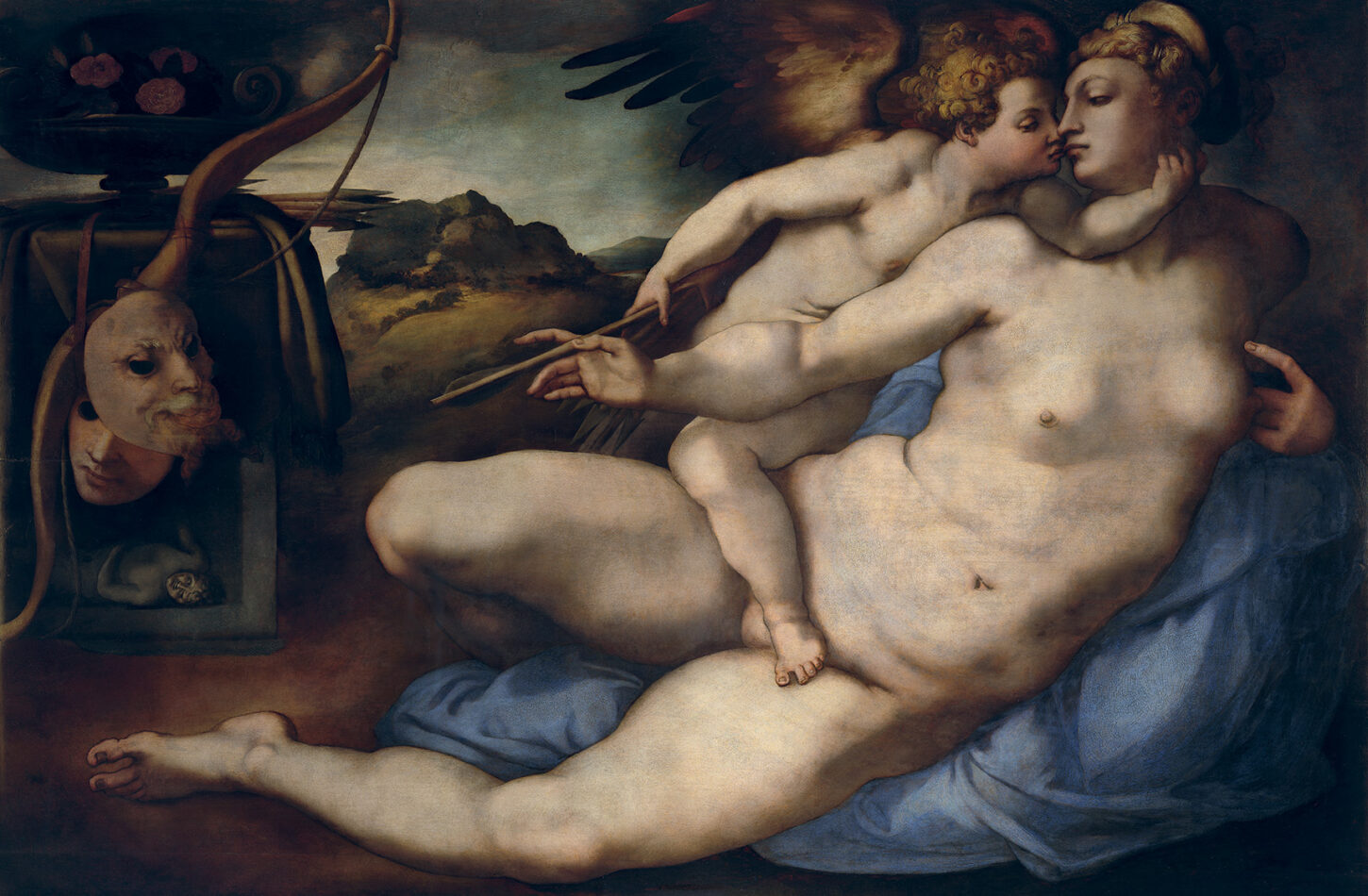
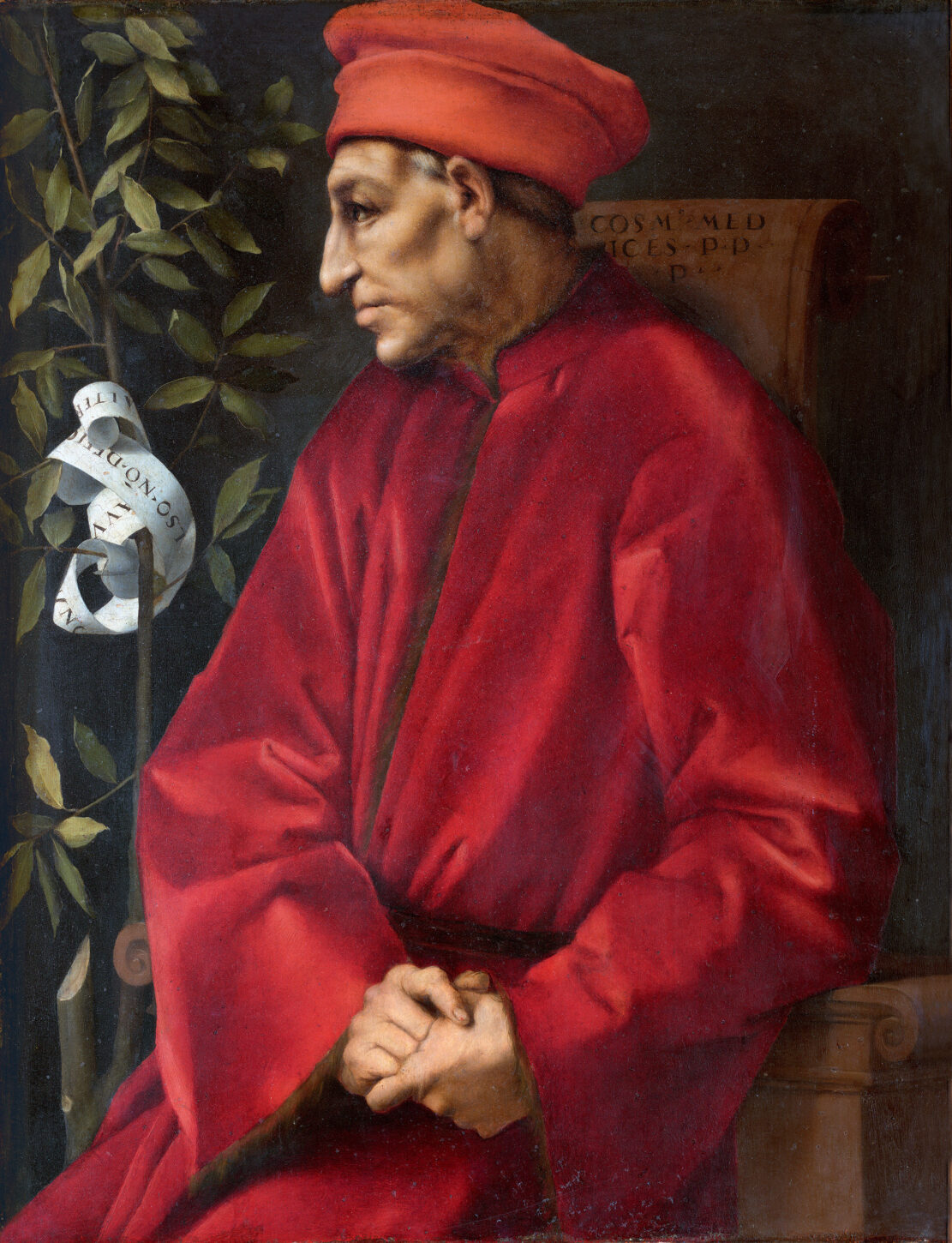
The exhibition also explores Pontormo’s association with Michelangelo, including works such as the Noli me tangere and Venus and Cupid, and devotes an important section to portraiture, featuring likenesses of the Medici and other prominent figures of sixteenth-century Florence.
The accompanying Electa catalogue—a 384-page volume with 275 illustrations, edited by the curatorial team—offers a fresh reading of the artist, including a new interpretation of the Libro mio that tempers the psychological interpretations which have often fed the image of Pontormo as an eccentric, tormented figure. Instead, the exhibition presents him as a central innovator of early Florentine Mannerism, whose painting retains a remarkable capacity to engage contemporary audiences. The catalogue also addresses recent restorations, rediscovered paintings, and new scholarship, and includes a reasoned biography, comparative chronology, and extensive bibliography.
The Scuderie del Quirinale (Via XXIV Maggio 16) is open daily from 10 a.m. to 8 p.m., with last entry at 7 p.m. (reduced hours on Christmas Eve, Christmas Day, New Year’s Eve, and New Year’s Day). Tickets: €18 full price, €16 reduced, €12 under 30, €5 under 18, free for children under 6; an open ticket costs €27.50, and a family package (two adults, two children under 18) is €36. Discounts are available for visitors over 65 and university students on specified days and times.
Guided tours (limited to 25 participants, €24 including admission) run on Tuesdays at 3:30 p.m., Fridays at 6:30 p.m., and Saturdays, Sundays, and holidays at 10:30 a.m., noon, 4:30 p.m., and 6 p.m. Group and school visits, exclusive tours, and workshops can be booked in advance. Free digital content, adult audio guides in Italian and English, and a children’s audio guide for ages 6–10 are available through the Scuderie del Quirinale app.
The exhibition is supported by Friends of Florence and sponsored by Banca Passadore & C., AON, and PwC, with Montenovi as technical sponsor.
Photo credits: Scuderie del Quirinale
Leave a Reply