
 Albania, Croatia, Egypt, Greece and Tunisia gathered on Rome’s Capitoline Hill for a day of dialogue between diplomacy, institutions and businesses. At the centre: logistics, artificial intelligence, agri-food, tourism and culture.
The Mediterranean should be seen not as a border, but as a shared space of opportunity, investment and relationships. This was the central message of the second edition of “Il Campidoglio incontra i Paesi del Mediterraneo” (The Campidoglio Meets the Mediterranean Countries), an initiative conceived and organised by Alberto Sichel and moderated by RAI journalist Roberta Spinelli. Held in the Sala della Protomoteca, the event brought together representatives of Albania, Croatia, Egypt, Greece and Tunisia, alongside Italian institutions, businesses, academia and representatives of Italy’s productive and professional sectors.
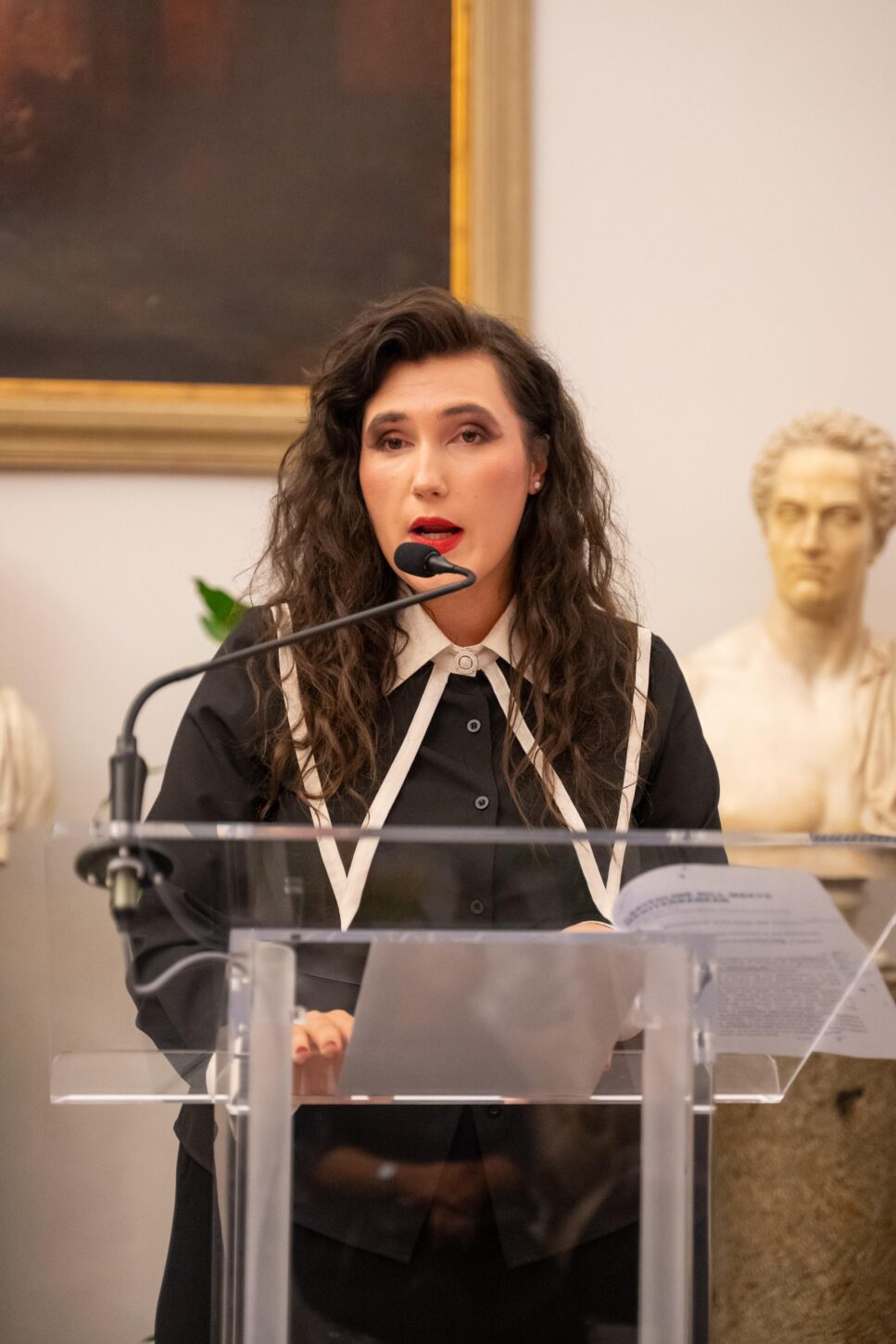
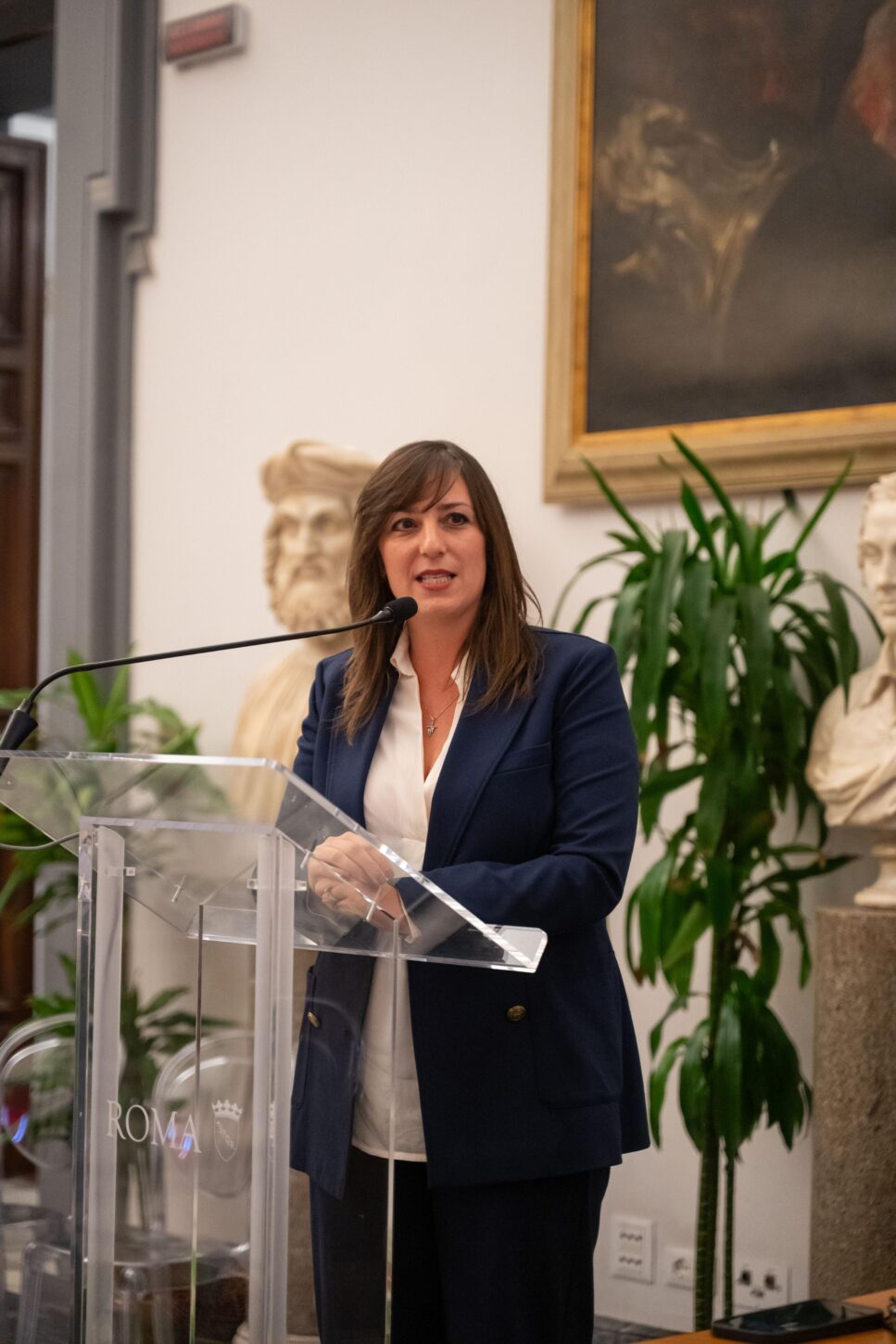
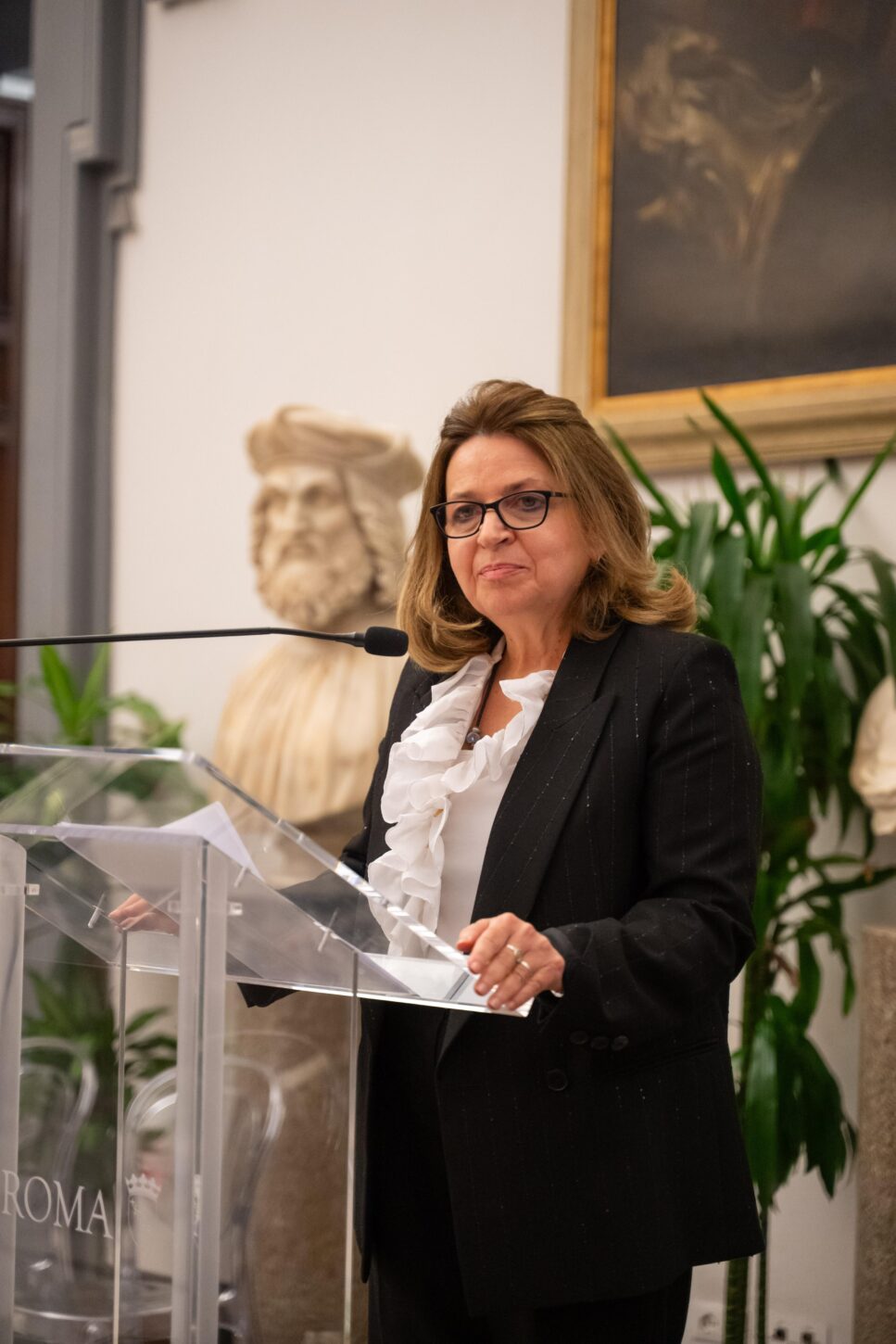
Hosting the initiative was Hon. Francesca Leoncini, who made it possible for the event to take place in Rome’s institutional seat, underscoring with her presence the value of a dialogue capable of bringing diplomacy, institutions and the business community into direct contact.
The day was built around a concrete objective: transforming diplomatic dialogue into economic relationships, industrial partnerships and new markets for Italian companies, while strengthening Italy’s capacity to attract international investment — and consolidating Rome’s role as a connecting platform between Europe, the Balkans and the Mediterranean.
The dialogue with Albania was among the most substantial of the day, focusing on the country’s economic transformation and new opportunities for collaboration with Italy.
Albanian Ambassador to Italy Anila Bitri Lani described the Mediterranean as a space in which major strategic challenges — from energy to connectivity, from investment to trade — can be addressed together, positioning Albania as a potential bridge between the Mediterranean, the Western Balkans and the European market.
Xhoana Hudhra, Head of Sector at the Albanian Ministry of Economy and Innovation, outlined prospects linked to the development of higher value-added sectors, technology and innovation, stressing the importance of attracting investment capable of bringing skills, technology and qualified employment.
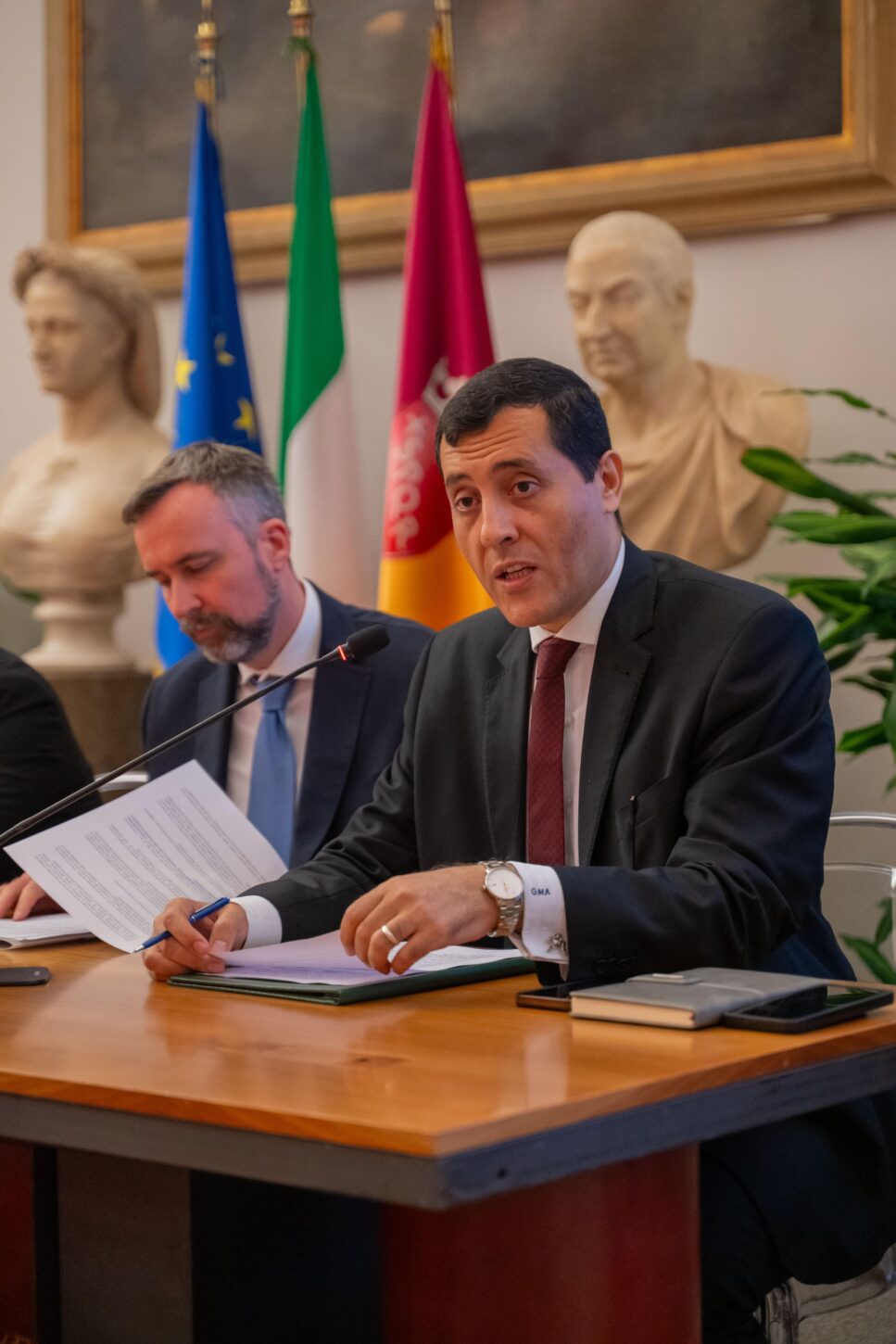
A key point concerned the relationship with Italy: the aim is to move beyond a relationship based primarily on trade towards industrial partnerships, technological cooperation, co-production and integration into European value chains.
Marinela Prifti, Deputy Minister at the Ministry of Tourism, Culture and Sport with responsibility for tourism, highlighted tourism as a strategic growth sector and the scope for Italy–Albania collaboration, with tangible benefits for businesses and territories. The discussion was further enriched by Anna Madeo, Honorary Consul of the Republic of Albania in Calabria, who drew on her experience in the business world and institutional dialogue, with particular attention to building concrete relationships between companies, territories and markets.
Among the central themes of the day, artificial intelligence was addressed as a concrete instrument for boosting business productivity and competitiveness.
In the panel “Intelligenza Artificiale ed Economia”, Michele Sangion, Executive Director Europe at Vection Technologies, argued that companies — particularly SMEs — need to move beyond a view of AI confined to experimentation and embed it in real business processes. From market analysis and the search for new clients and partners to predictive logistics, customs documentation and procedures, international client relations and multilingual management, AI can serve as an operational tool to cut costs, accelerate processes and support companies through internationalisation.
Greece was given ample space, with the participation of Efrossyni Mita, Minister Plenipotentiary for Economic and Commercial Affairs at the Greek Embassy, who addressed economic and trade relations between Italy and Greece and opportunities for cooperation in the Eastern Mediterranean.
Dimitrios Beligiannis, Honorary Consul of Greece in Ancona, contributed to the dialogue on economic and territorial relations between the two countries and the role of the business community.
Kyriaki Boulasidou, Director of the EOT Italy office (the Greek National Tourism Organisation), emphasised tourism as an instrument for enhancing territories and strengthening Italy–Greece relations.
Croatia placed infrastructure and connectivity at the heart of its contribution. Igor Surdich, First Secretary of the Croatian Embassy, highlighted the country’s strategic role as a Mediterranean gateway to Central Europe, pointing in particular to the potential of the Port of Rijeka and the need to integrate ports, railways, roads and customs into a single intermodal system capable of supporting new trade flows.
On the tourism front, Viviana Vukelić, Director in Italy of the Croatian National Tourist Board, underlined tourism’s role in relations between the Italian and Croatian markets and in building new opportunities for collaboration.
Egypt’s participation was particularly significant, with Gamal Mahmoud Atta Mohamed, Counsellor and Deputy Head of Mission at the Egyptian Embassy, attending all of the day’s panels and contributing to a cross-cutting dialogue on the main themes of the event.
From logistics and infrastructure — with attention to major trade routes and connections between the Mediterranean, Africa and the Middle East — to agri-food, tourism and culture, the Egyptian contribution accompanied the entire proceedings, highlighting the strong interconnection between these sectors.
His presence made it possible to present Egypt not through a single sector, but within the broader system of Mediterranean relations: transport, trade, investment, production chains and tourism are all elements of a single network linking Europe, Africa and the Middle East.
The Tunisian delegation brought a particularly articulate representation of the country’s economic and tourism system. Mohamed Hedi Chihaoui, Minister Plenipotentiary and Chargé d’Affaires, presented Tunisia’s diplomatic perspective on strengthening Mediterranean relations, while Mohamed Mehrez, Economic Counsellor at the Tunisian Embassy, contributed to the discussion on bilateral economic and trade ties.
On investment, Wissem El Hani, Director for Italy at FIPA (the Tunisian Foreign Investment Promotion Agency), presented opportunities for international operators, and Anis Basti, Director for Italy at CEPEX (the Tunisian Export Promotion Centre), focused on market access and commercial cooperation. Rounding off the delegation, Karim Jatlaoui, Director for Italy at ONTT (the Tunisian National Tourist Office), followed the discussions on tourism cooperation opportunities.
The event also engaged Italy’s business community directly. Simona Petrozzi, President of Imprenditoria Femminile at the Rome Chamber of Commerce and of Terziario Donna Confcommercio Roma, highlighted the role of businesses and women’s entrepreneurship in building new international relationships, stressing the importance of creating concrete opportunities for businesses, institutions and foreign markets to meet.
Giliana Pecoraro, of the UBV Group, offered the direct experience of a company active in services and international connections, drawing attention to the practical needs of businesses operating in foreign markets.
Alessandro Russo, President of AITI, addressed services and the operational needs of companies in mobility and internationalisation processes.
On tourism, Stefano Maina, CEO of The Voyager, contributed to the discussion on sector dynamics and the opportunities generated when territories, operators and international markets converge.
Reinforcing the link with the Italian institutional system were Luciano Nobili, President of the PNRR Commission of the Lazio Region, and Dr Viola Di Caccamo, Senior Professional for External Relations at SIMEST, who discussed the opportunities and tools available to businesses on their growth and internationalisation paths.
The day succeeded in bringing diplomacy, institutions, businesses and expertise into a single conversation, with the aim of turning international dialogue into concrete outcomes: new markets, partnerships, investments and collaborations.
The message that emerged is clear: the Mediterranean can be the space in which new economic and industrial connections are built — and Rome can play a central role in bringing these worlds together.
Opening new markets to Italian companies, fostering international partnerships and attracting new investment to Italy are the guiding priorities for the work ahead.
Once again, Rome proves to be the place where the Mediterranean meets, dialogues and builds new opportunities.
Photo credits:
Leave a Reply