

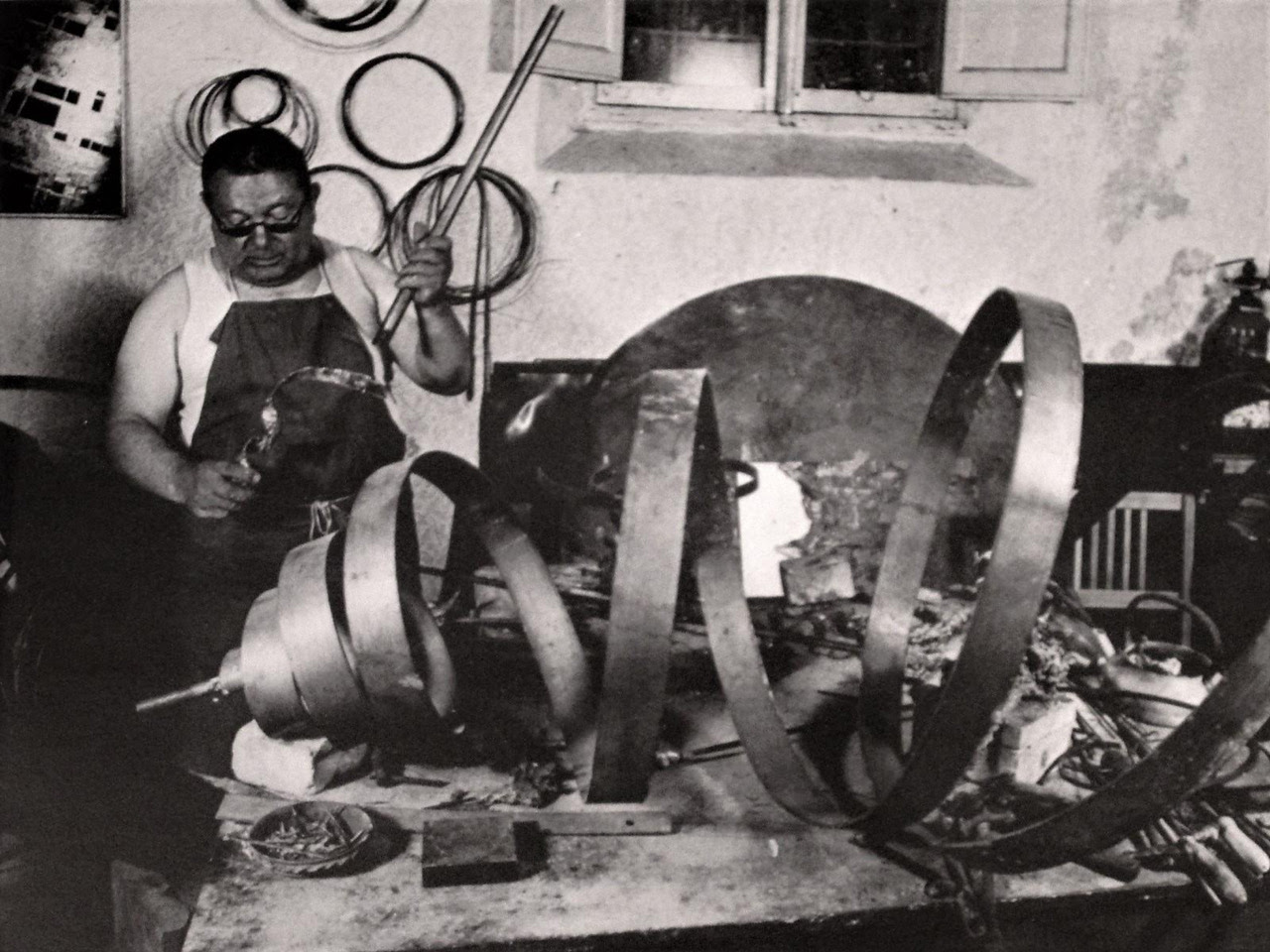
 Fabriano, Italy — On the 40th anniversary of the death of Edgardo Mannucci, the Fondazione Cassa di Risparmio di Fabriano e Cupramontana is honoring the great master of Italian and international informal plastic art with an exhibition and cultural project that celebrates his Marche region roots.
From September 19, 2026, to January 10, 2027, the Polo Museale di Zona Conce in Fabriano will host the exhibition Mannucci. Fuoco e genesi (Fire and Genesis), curated by Fabio Marcelli, professor of Modern Art History at the University of Perugia. The show aims to document Mannucci’s artistic journey across his entire lifetime — from his training in Rome in the immediate post-war period, to his embrace of post-Cubism in the late 1940s, to his rise and consecration among the leading figures of national and international informal sculpture.
Born in Fabriano in 1904 and died in Arcevia in 1986, Mannucci was one of the most important Italian sculptors of the mid-20th century. His impact was felt not only in Italy but across Europe, marked by a constant predilection for metalwork, which also found significant expression through the art of goldsmithing. The exhibition’s title is meant to evoke the genetic heritage of his poetics and his fertile artistic research, with a natural reference to his metal sculpture: the ancestral, life-giving, and creative force of fire, and through it, the genesis of form in space.
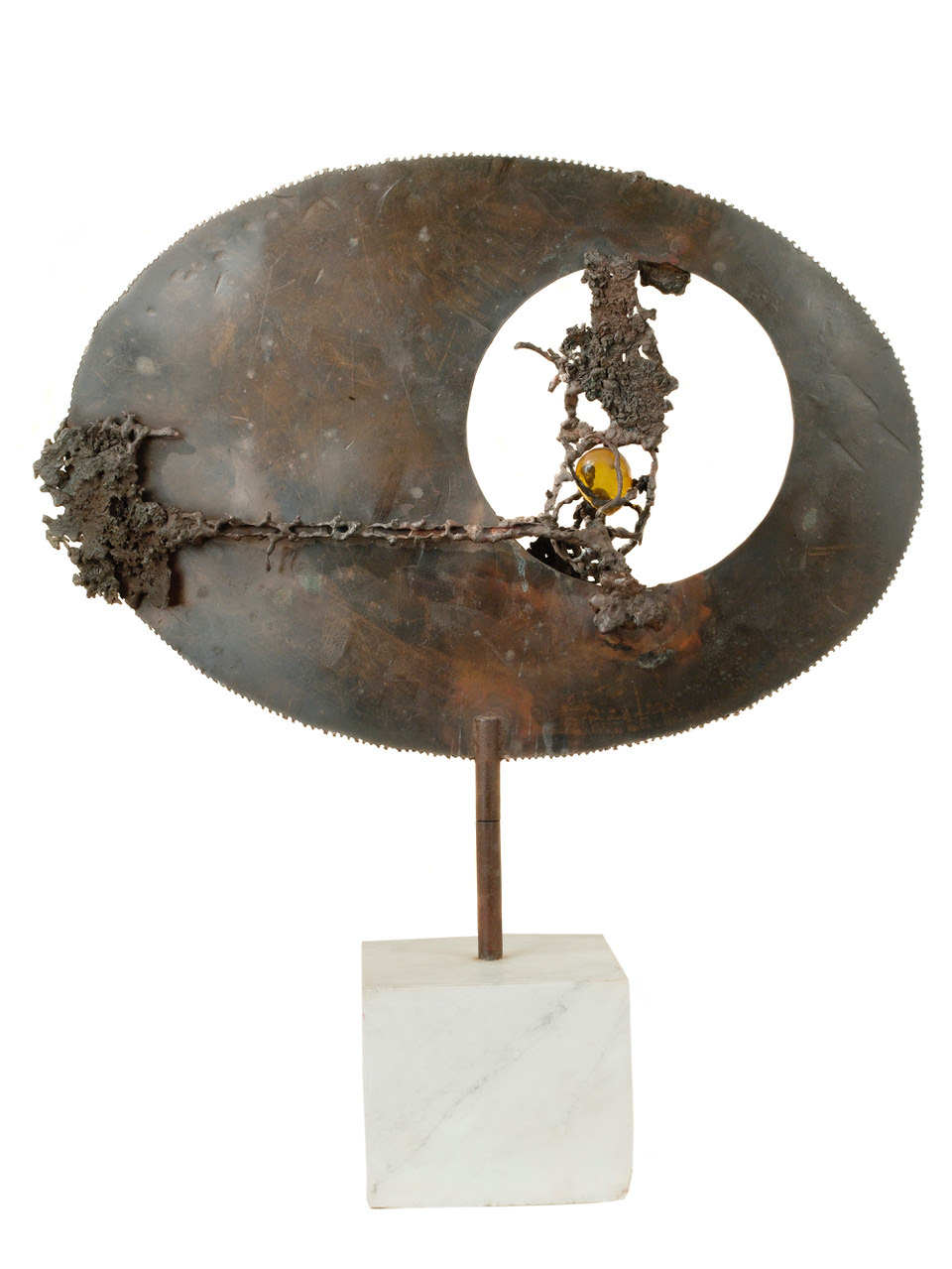
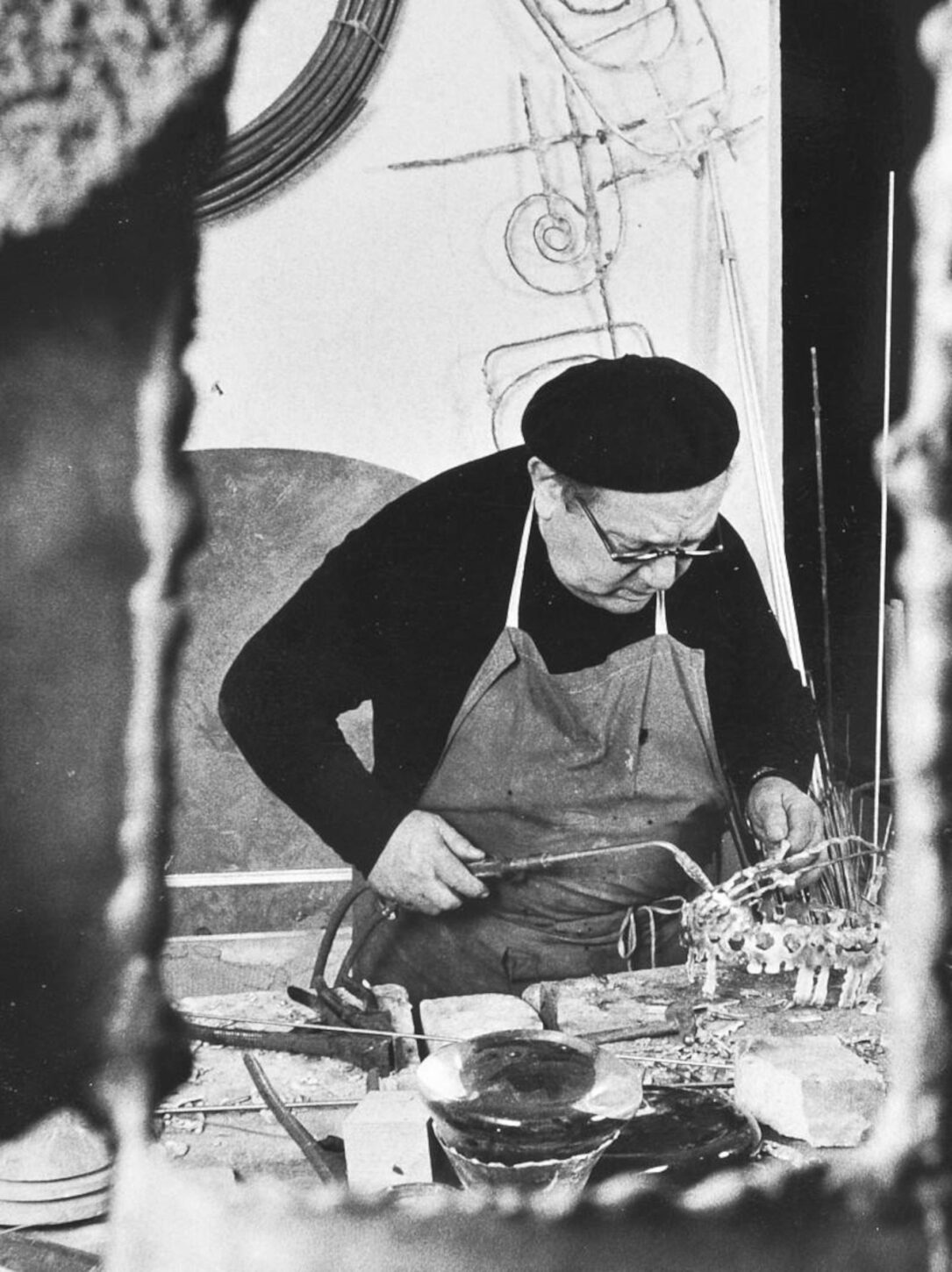
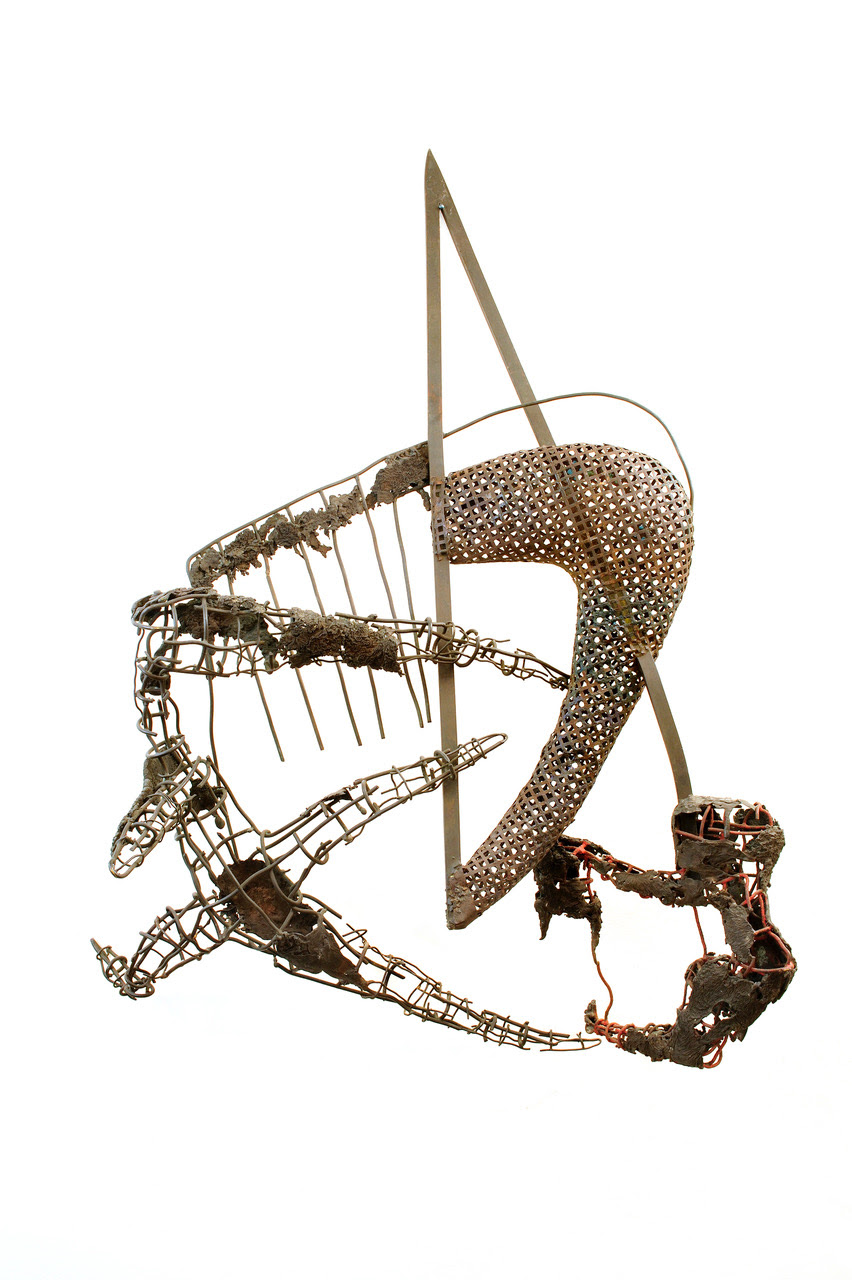
The Fondazione Cassa di Risparmio di Fabriano e Cupramontana has long demonstrated its commitment to keeping the memory of its famous fellow citizen alive. Over the past thirty years, it has pursued a steady and carefully considered policy of acquiring Mannucci’s works, now housed at Zona Conce — the exhibition venue — which also includes a rich permanent display dedicated to the artist. As early as 2005, through Professor Enrico Crispolti, the Foundation promoted the exhibition “Mannucci e il Novecento. L’immaginario atomico e cosmico”, which for the first time since the artist’s death celebrated his life and works in his hometown. Twenty years after the success of that cultural project, Mannucci. Fuoco e genesi picks up the thread, broadening the reflection and comparison.
The current exhibition is also a sincere tribute to the memory of Enrico Crispolti, who passed away in 2018. Throughout his inimitable research career, he made a decisive contribution to the critical study of numerous artists from Fabriano and the Marche region — above all Mannucci, but also Luigi Bartolini, Quirino Ruggeri, Roberto Stelluti, and Giuseppe Uncini.
Following Crispolti’s studies and insights, the exhibition places Mannucci’s plastic works in dialogue with paintings, drawings, and sculptures by numerous artists, including: Aurelio Amendola, Mirko Basaldella, Alberto Burri, Corrado Cagli, Alik Cavaliere, Aurelio Ceccarelli, Mario Ceroli, Pietro Consagra, Mario D’Incecco, Agenore Fabbri, Piero Dorazio, Ignazio Gadaleta, Mario Giacomelli, Renato Guttuso, Leoncillo Leonardi, Gino Marotta, Luciano Minguzzi, Nuvolo, Arnaldo Pomodoro, Enrico Prampolini, Daniel Spoerri, Roberto Stelluti, Valeriano Trubbiani, Giulio Turcato, Giuseppe Uncini, Emilio Vedova, and Antonella Zazzera.
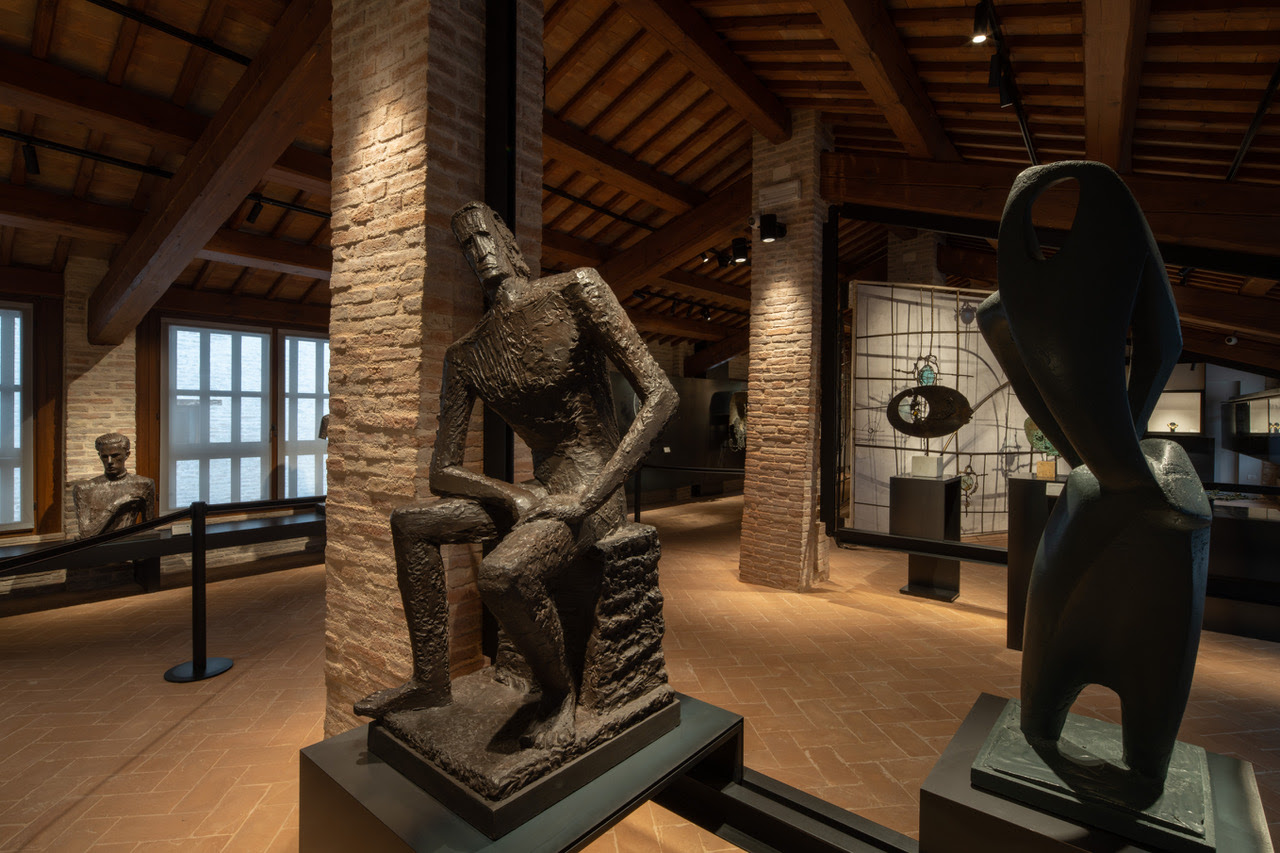
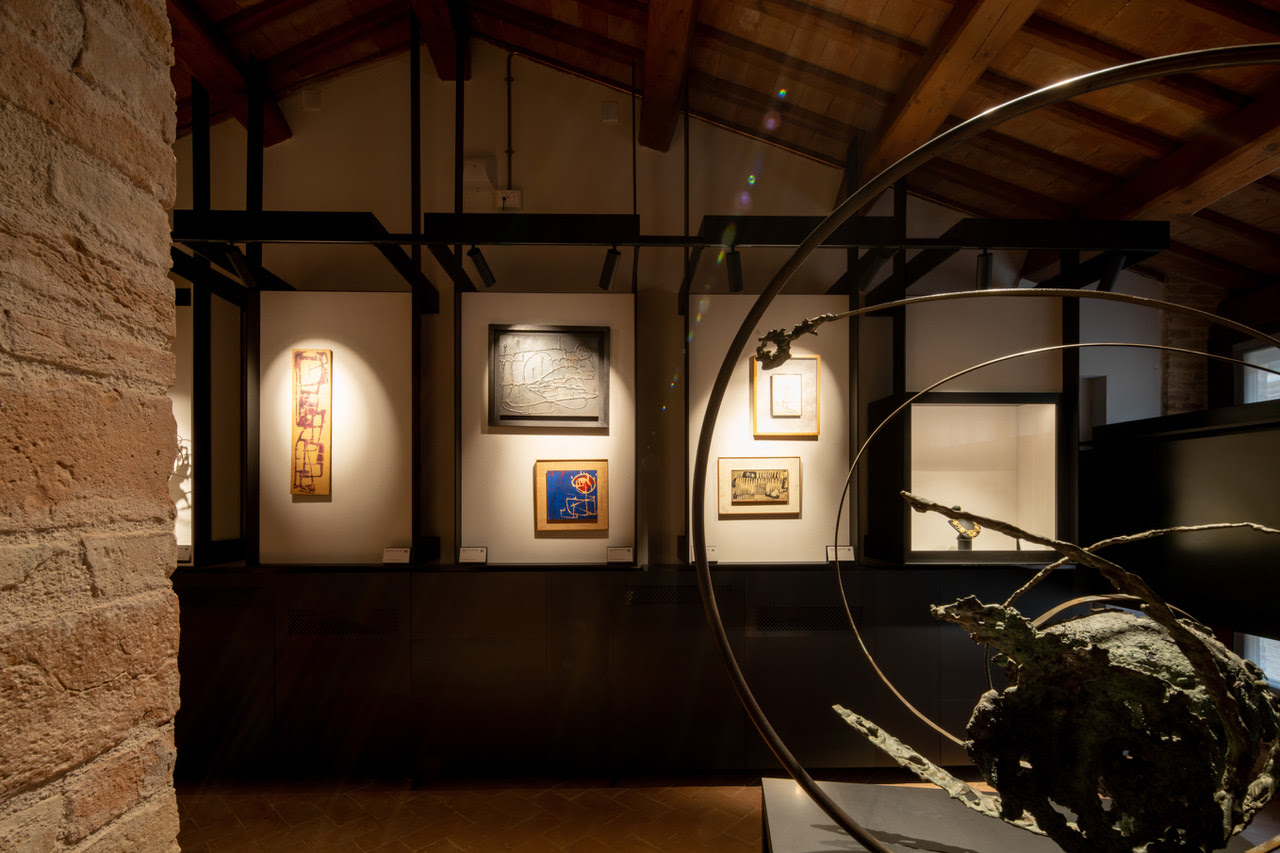
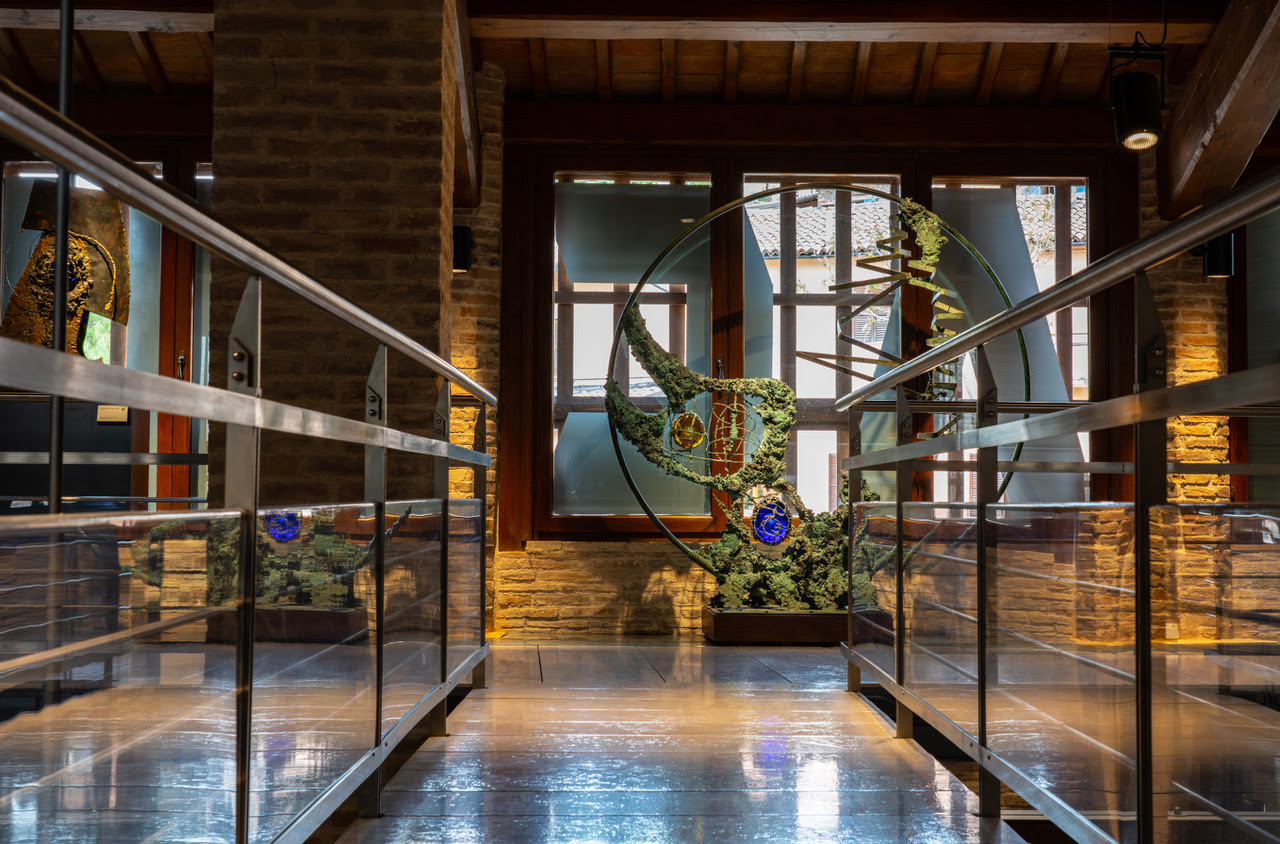
The Museo Tattile Statale Omero in Ancona, which is lending two works to the exhibition, will serve as the technical partner for accessibility. In collaboration with the Foundation, the museum is developing an audio-tactile sensory exploration path through a selection of works from the permanent Edgardo Mannucci collection, with adapted content and Braille captions.
In agreement with the Municipality of Arcevia — where the artist lived at the end of his Roman period, working in his studio set up in the former church of San Francesco di Paola — the Foundation will promote a new layout of the “Galleria d’Arte Moderna Ruggeri – Mannucci – Bruno d’Arcevia” at the Centro Culturale San Francesco, complete with a catalog of the works. Further study and cultural promotion initiatives will be shared with the Archivio Edgardo Mannucci in Arcevia, the Liceo Artistico “Edgardo Mannucci” in Ancona, and the Municipality of Ancona, which has been named Italian Capital of Culture for 2028.
Photo credits: Municipality of Arcevia
Leave a Reply