


One of the least known monumental works by Oscar Piattella (Pesaro, 1932 – Urbino, 2023) is set to become the focal point of a site-specific intervention that brings the artist’s research beyond the walls of the art fair and into the historical and spiritual heritage of Turin. On the occasion of Artissima 2026, the monumental stained-glass apse that Piattella created in 1992 for the Sanctuary of Nostra Signora della Salute will be rediscovered through light, sound, performance, and even olfactory perception.
Standing 17 meters tall and spanning 170 square meters, the permanent work is composed of roughly 13,000 hand-blown glass tesserae in different hues, distributed across 172 variously shaped panels. Piattella conceived and drew it at full scale over two years of work, relying on three-dimensional 1:1 scale sectional models produced at the Gibo workshops in Verona, on which the complex web destined to be translated into glass was progressively defined.
Piattella imagined the apse as a great symbolic architecture of light. From below rises a chromatic mass dominated by reds and oranges, evoking the human and earthly dimension; higher up, the composition opens into deep fields of blue, an image of a cosmos in continuous becoming; at the summit, it finally dissolves into a luminous constellation of yellows and greens, alluding to the divine. The human, the cosmic, and the divine thus constitute the three moments of a narrative entrusted to light — the central element of Piattella’s entire artistic journey. At the base of the apse, the urn containing the body of Saint Leonardo Murialdo (Turin, 1828–1900) roots the space in the time of devotion and memory, above which the artist’s chromatic cosmology unfolds vertically.
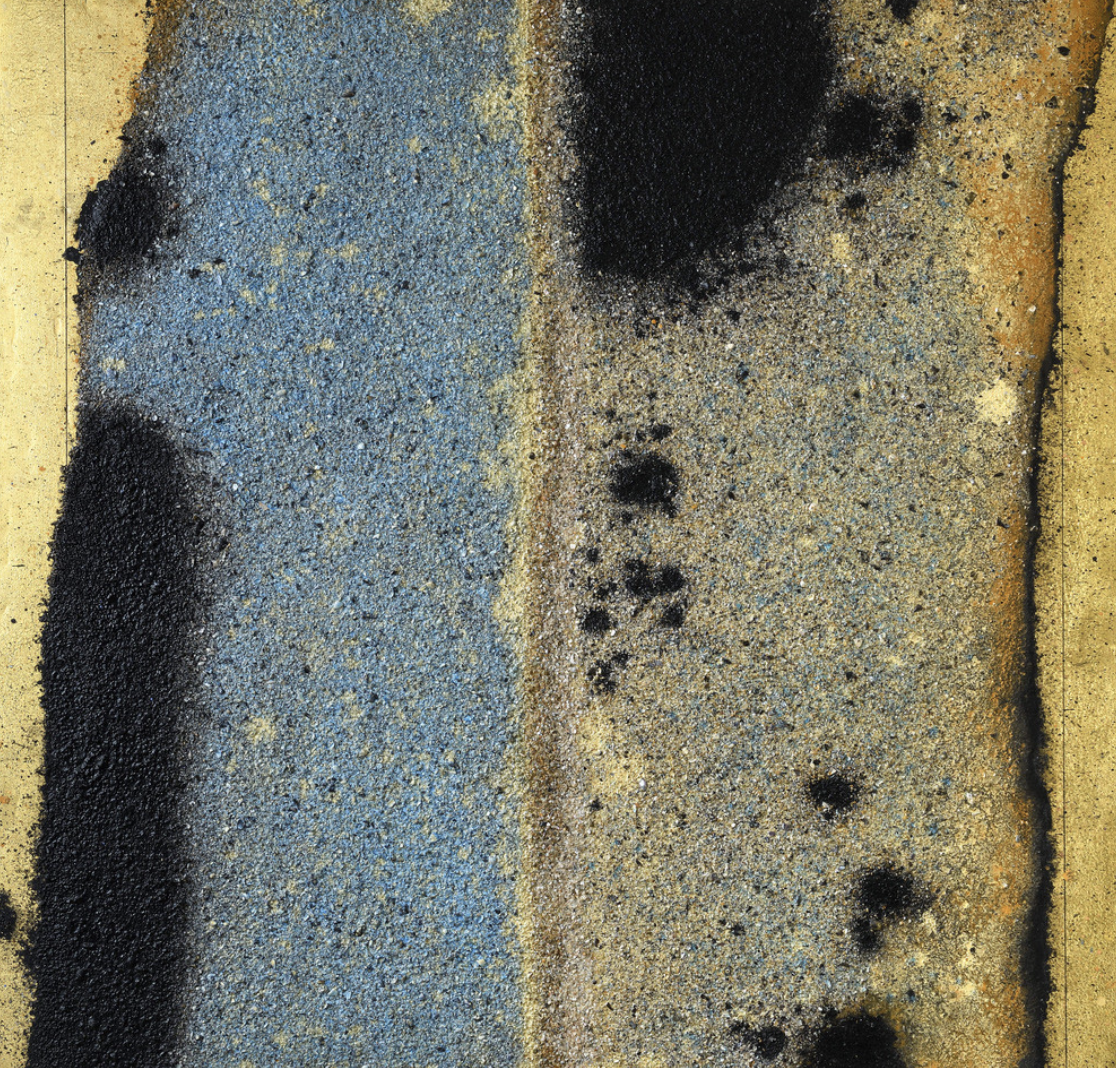
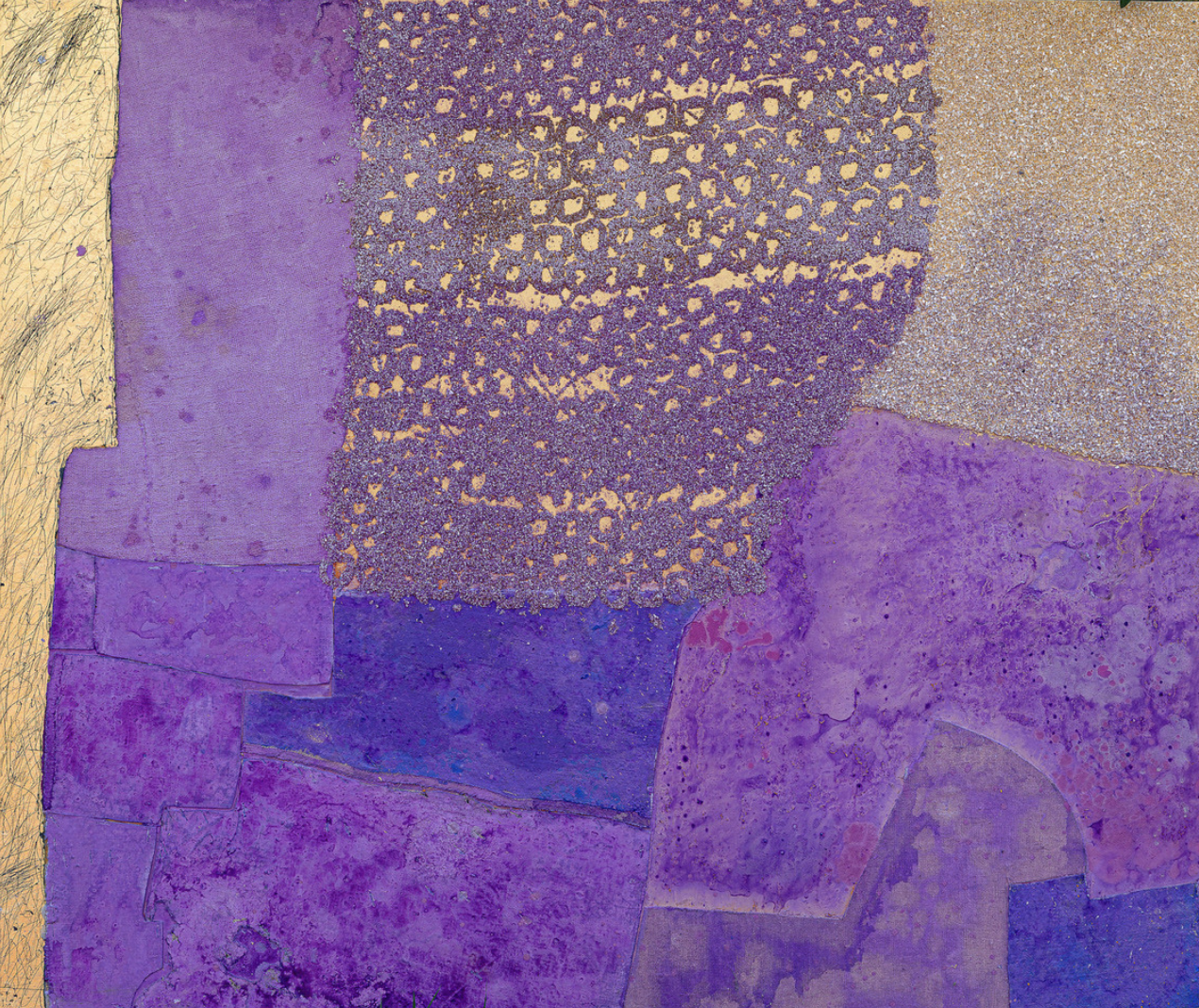
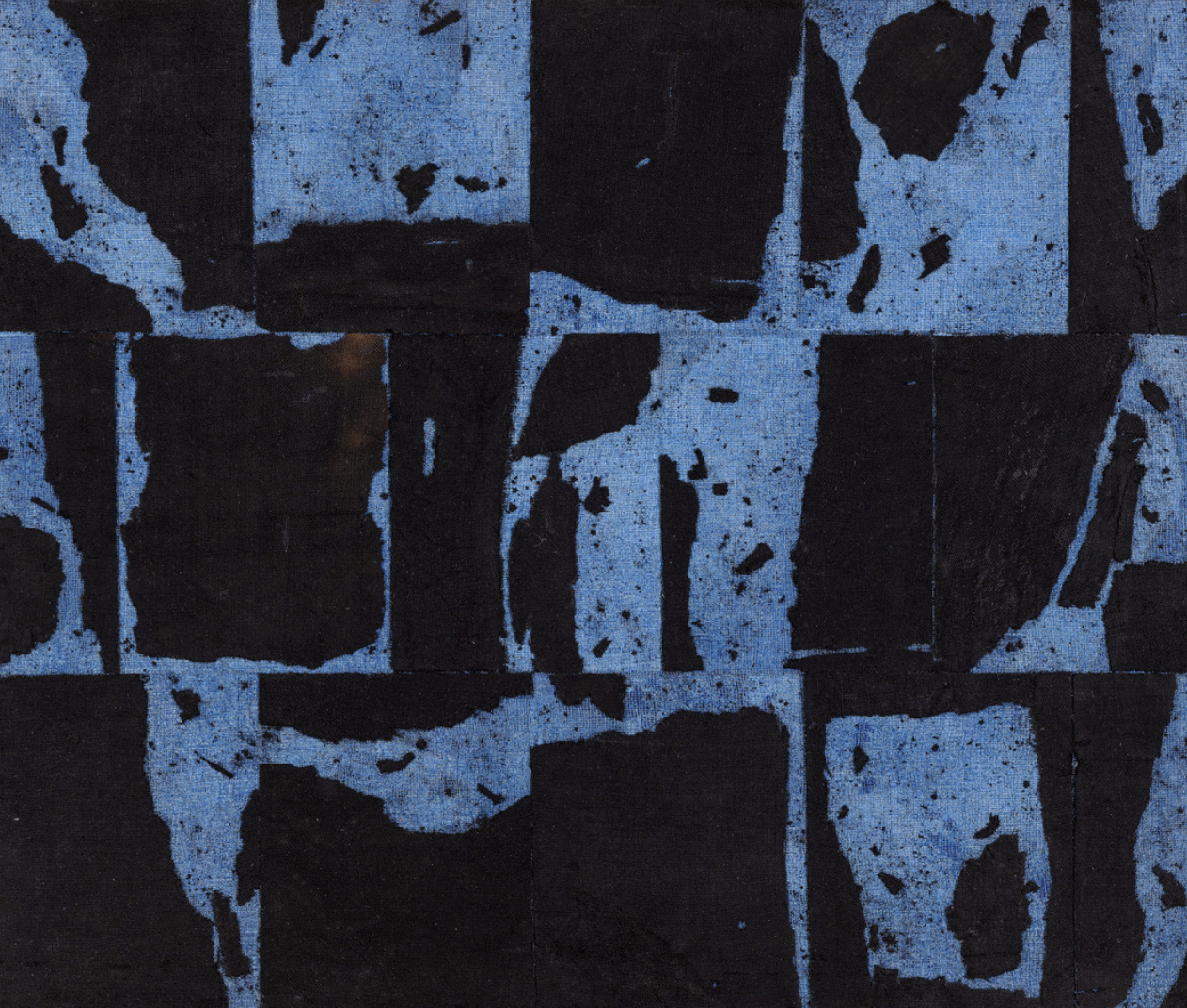
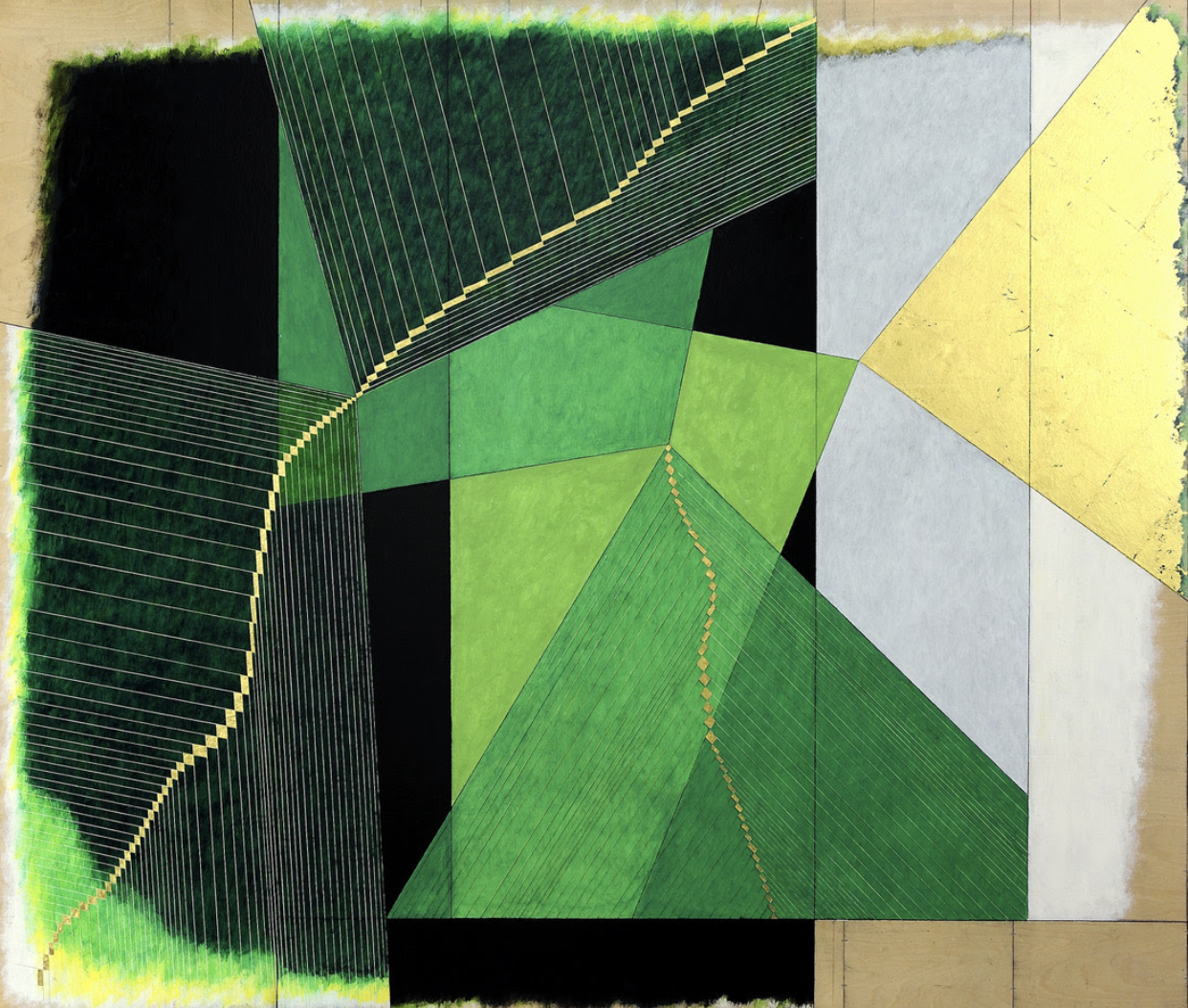
Born from drawing and architectural scanning, Piattella’s research found mature expression in 1958 in the cycle I Muri (The Walls), evoking the barriers against human freedoms. From that season onward grew a relentless investigation into the relationship between matter and light: the artist probed matter to free the light enclosed within painted surfaces, through continuous experimentation with materials, structures and colors, until reaching an increasingly spiritual and cosmic dimension — one of whose highest expressions is Turin’s monumental glazed apse.
Il Respiro della Luce (The Breath of Light), a Special Project for Artissima 2026 under the patronage of the Ministry of Culture and the City of Turin, stems from the possibility of observing the work in a completely different perceptual condition. In the late afternoon and evening hours, when the Sanctuary is immersed in semi-darkness, the great window will be backlit, drawing out of the darkness the depth of the chromatic web and the symbolic structure imagined by the artist. The light does not simply illuminate the work from outside — it seems to emerge from the composition itself, transforming the apse into a luminous presence suspended in space.
To the light is added a diffused soundscape built from deep frequencies, harmonics, and slow vibrations propagating through the nave. The sound does not act as spectacular accompaniment, but as an acoustic field capable of dilating the perception of space and time, guiding the visitor from the penumbra toward the great luminous source.
Within this relationship between matter and light unfolds Lontano Cielo Vicino (Distant Sky Near), a multimedia installation and performance by Raffaele Lorenzo Ricciardi, Francesca Cinalli, Paolo De Santis and Teresa Priano, staged on 28–29 October and 7, 14, 19, 21 and 28 November at 7:00 pm, and on 30–31 October at 9:00 pm. The site-specific performative action investigates the threshold between the divine and the human, between what is far and what is near, in resonance with the light and matter of Piattella’s polychrome window. Dance and sound design mediate an abstraction, translating the work’s chromatic vibration into movement and sound. The stage is immersed in every shade of blue, nourished by an alchemy of visible and invisible bodies exploring the verticality of the sacred and the distance of the cosmos through a small, human ritual. The sky splits into many little pieces, and four astronauts explore its fragments.
The inaugural opening takes place on 28 October 2026 at 7:00 pm at the Sanctuary of Nostra Signora della Salute.
The intervention conceived for Artissima does not end with the fair’s days. The backlit apse, accompanied by the specially created soundscape, enters the programming of Luci d’Artista 2026-27, extending the rediscovery of the work and its relationship with Turin until 10 January 2027.
In addition, several works by Oscar Piattella will be exhibited at the Pinacoteca dell’Accademia Albertina (29 October – 8 December 2026) and will be the subject of dedicated workshops by the Albertina Academy of Fine Arts, open to both the public and students, offering a further opportunity for direct engagement with the artist’s research and with the themes of matter, light and space that run through his work and innervate the surface of the apse. On 19 November at 5:15 pm, the conference “Il Respiro della Luce” will be held with the project’s curators, Aldo Iori and Alberto Mazzacchera.
The institutional stand of the Archivio Oscar Piattella and the City of Turin within Artissima 2026 (29 October – 1 November) unfolds across the four chapters that make up the overarching project Risonanze, dedicated to Piattella. The back wall of the stand, through a large screen with a looping video, focuses on the great stained-glass apse. This project articulation builds a diffuse presence of the artist across the city, connecting the fair, historical heritage, the museum institution, and artistic training.
Il Respiro della Luce is the second chapter of Risonanze, an itinerant project of contemporary art in Italy’s historical heritage promoted by the Archivio Oscar Piattella ETS. Launched in Bologna in 2025 (Art City – Arte Fiera), it now arrives in Turin and will continue in 2027 at the Vittoriale degli Italiani and in 2028 in Padua.
Risonanze is founded on the conviction that contemporary art can establish a relationship with historical heritage that goes beyond the mere presence of works in a space. Each intervention takes shape from the identity of the place that hosts it — its history, architecture, and artistic and symbolic stratifications — to build a specific, unrepeatable experience. Piattella’s painting thus becomes an instrument through which to question once more matter, light, space, memory, and the spiritual dimension.
If Bologna questioned the memory of matter, Turin questions the breath of light.
Photo credits: Artissima 2026
Leave a Reply