

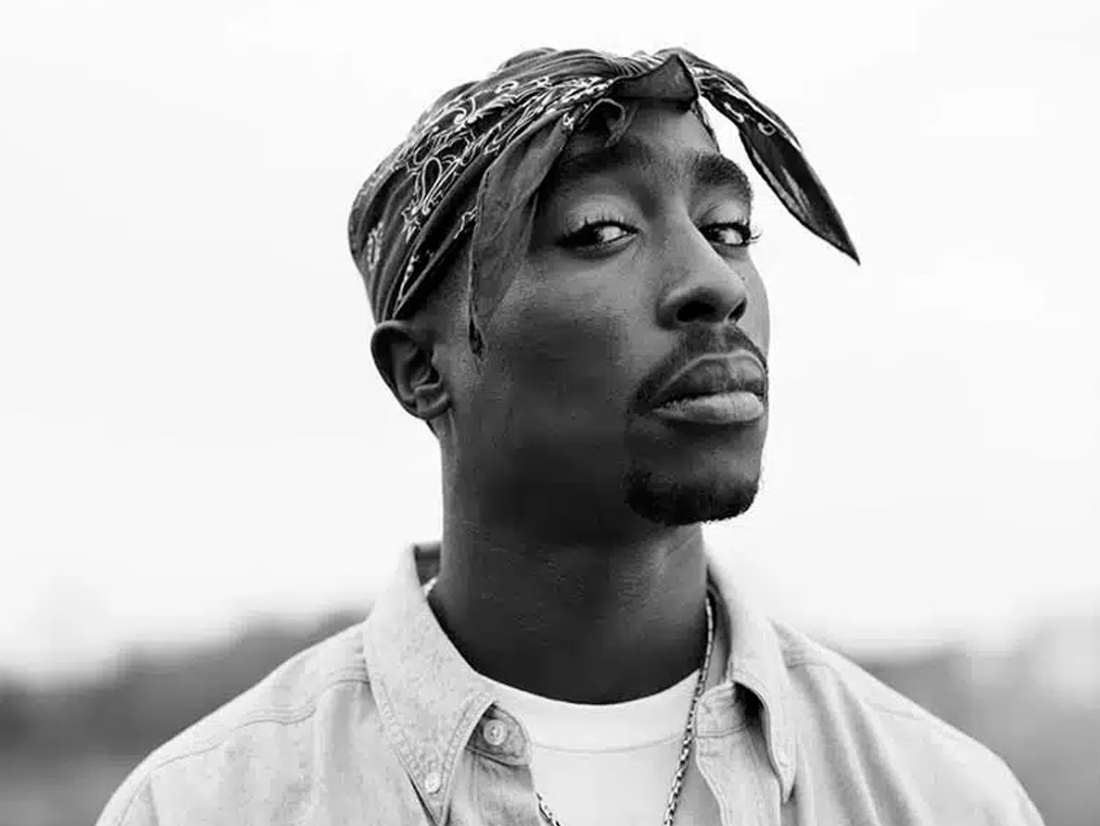
You may have come across a portrait by Dana Lixenberg. Since starting her career in the nineties, the Dutch photographer (Amsterdam, 1964) has been published in The New York Times, The New Yorker, Rolling Stone and Vibe. It was the latter — the magazine founded by Quincy Jones to destigmatize hip hop and urban culture — that commissioned her most famous shot.
Expressive gaze, knotted bandana and a gleaming crucifix on his chest. Her photo of rapper Tupac Shakur, who would die a couple of years later, has become a kind of pop icon, ending up on t-shirts, posters, murals and tattoos. It endured because it captured what lay behind the gangster pose that sold so well: a complex, expressive, even committed twenty-year-old at the start of what promised to be a great musical career.
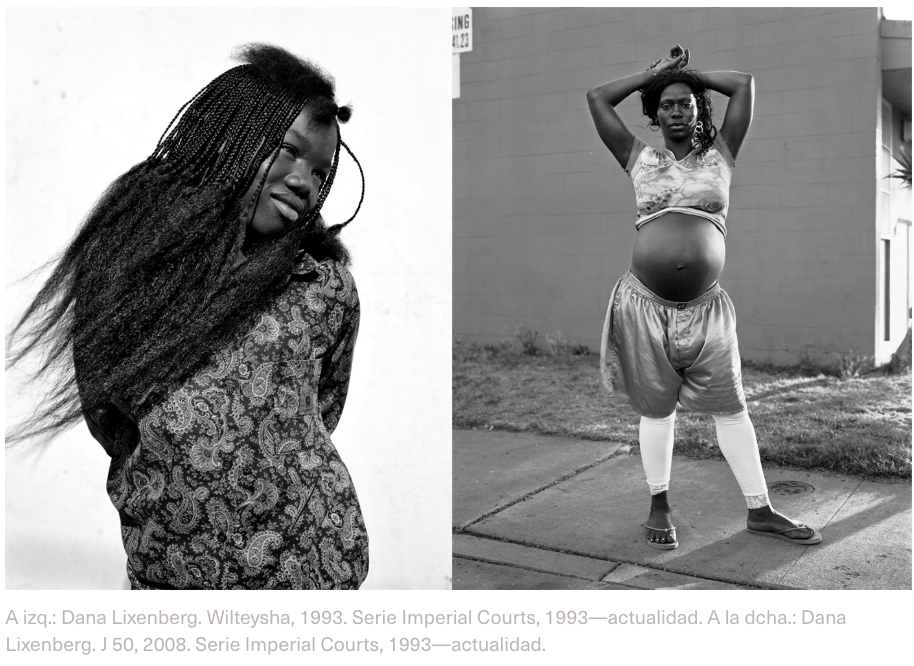
Lixenberg is one of the great portraitists of American life. In American Images, her first major Spanish retrospective at the KBr Photography Center in Barcelona (until January 17), all kinds of figures cross paths — Leonard Cohen, Prince, Jenny Holzer, the Trumps — but her great body of work focuses on people from America’s most vulnerable neighborhoods. Strikingly, it’s impossible to tell famous subjects from anonymous ones: everyone before her camera receives the same care, each image accompanied by names, affectionate nicknames and a moving dignity and beauty.
Don’t talk to Lixenberg about rapid-fire shooting. For her, photography is a “slow dance.” Since the nineties she has worked with a large-format camera — accordion-shaped, tripod-bound, demanding patience and trust. “In documentary portraiture you have to slow down, eliminate noise and take the time to contemplate your surroundings with a renewed gaze,” she told Vice.
This attention to the everyday also explains her preference for black and white. “Some of my images may seem boring, with nothing sensationalist in them, but I like playing with that — being on the edge of boring,” she added.
The exhibition opens with her most personal and ambitious project: a social housing complex in Watts, Los Angeles, where she set up her camera in 1993 amid racial unrest and open gang warfare. After passing the test of Tony Board, a Crips leader who had just brokered a peace deal, and convincing residents she was no FBI agent, she built this choral narrative of a community’s daily life, resilience and humanity. “Over the years I’ve become part of the furniture — ‘the photo lady’,” she said. The project continues today, with 2008 portraits updating familiar faces.
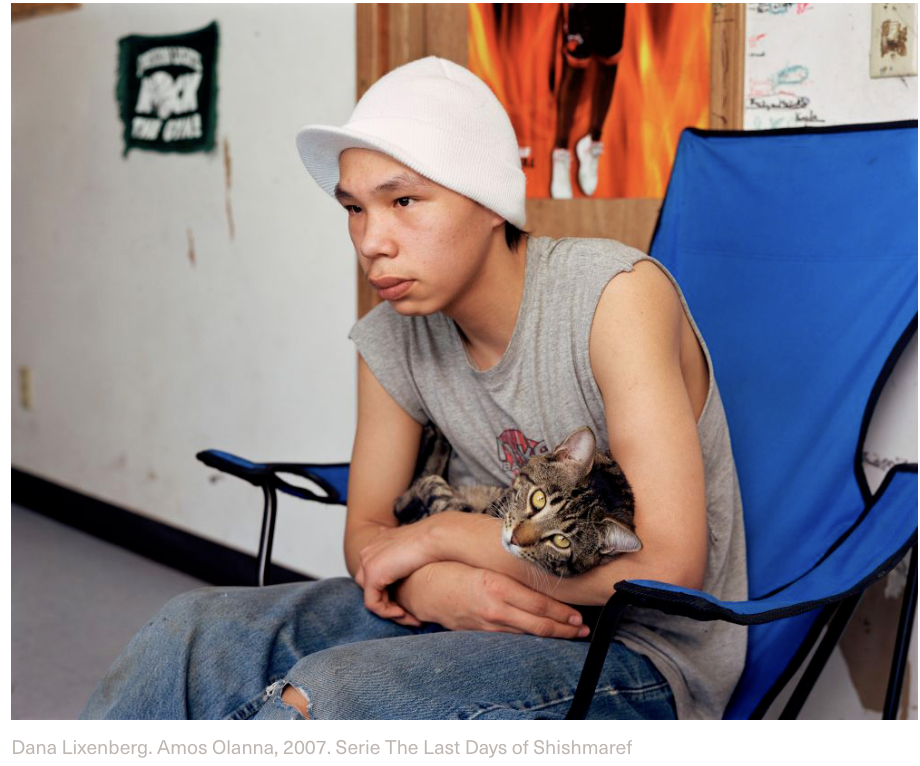
The show continues to Haven House, a homeless shelter in Indiana photographed over six years, and The Last Days of Shishmaref, on the Iñupiat of Alaska facing the loss of their territory to climate change. No melodrama anywhere: “I want each image to be an independent story, and together, to present the community in a particular way.”
American Images is on view at the KBr Fundación Mapfre Photography Center (Avinguda del Litoral, 30) until January 17. On October 6, Dana Lixenberg will teach a workshop on contemporary photography.
Leave a Reply