

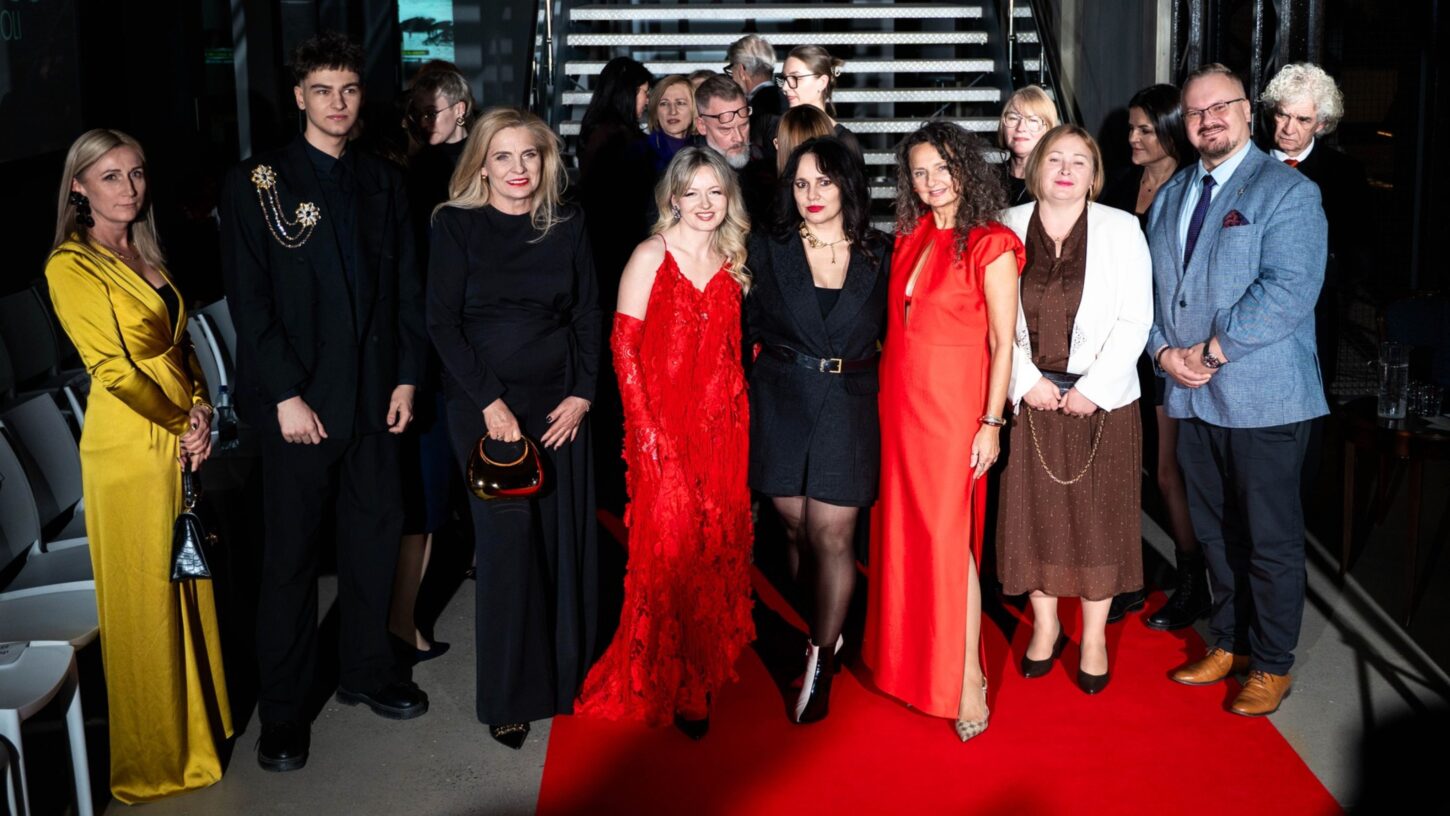
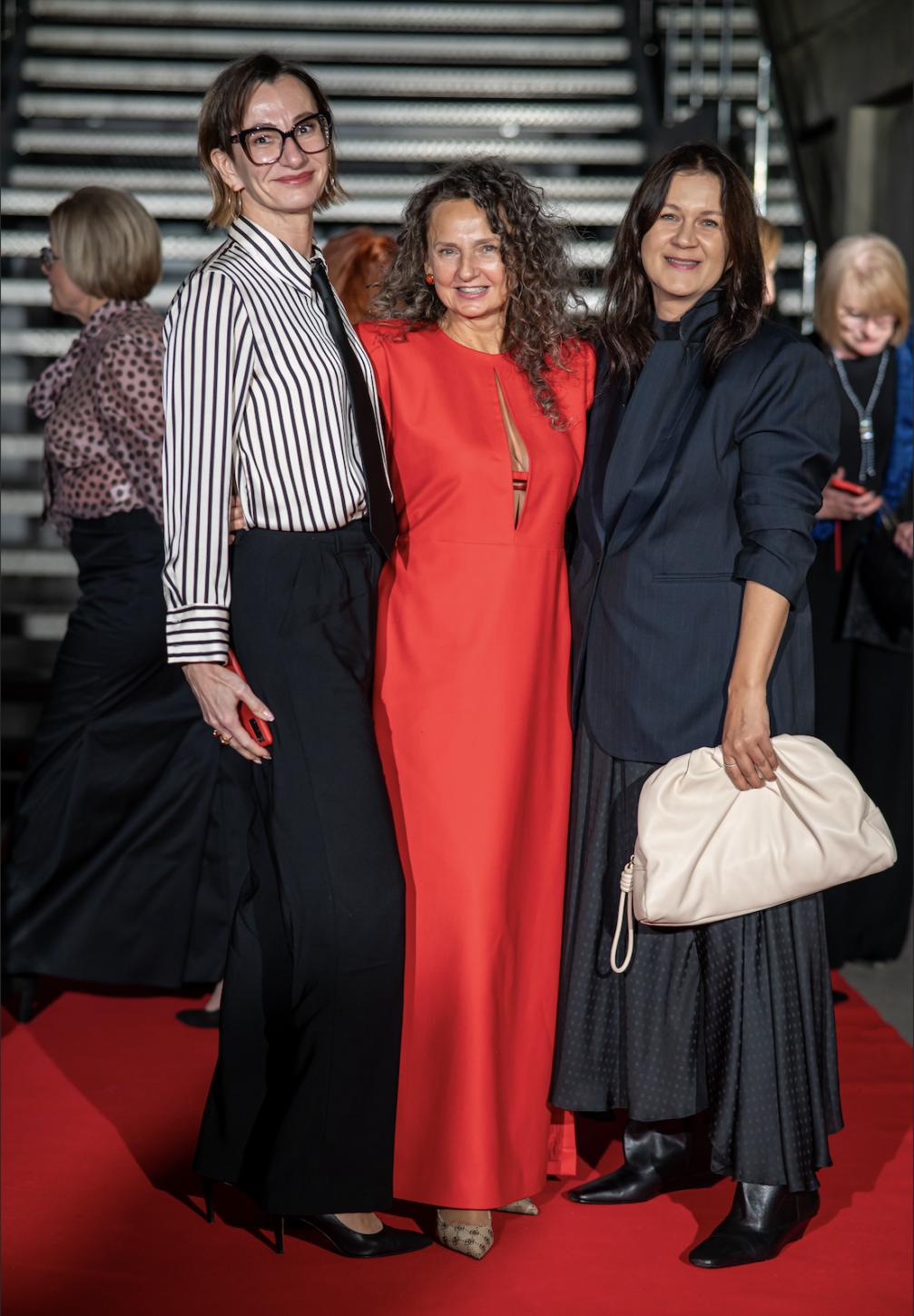
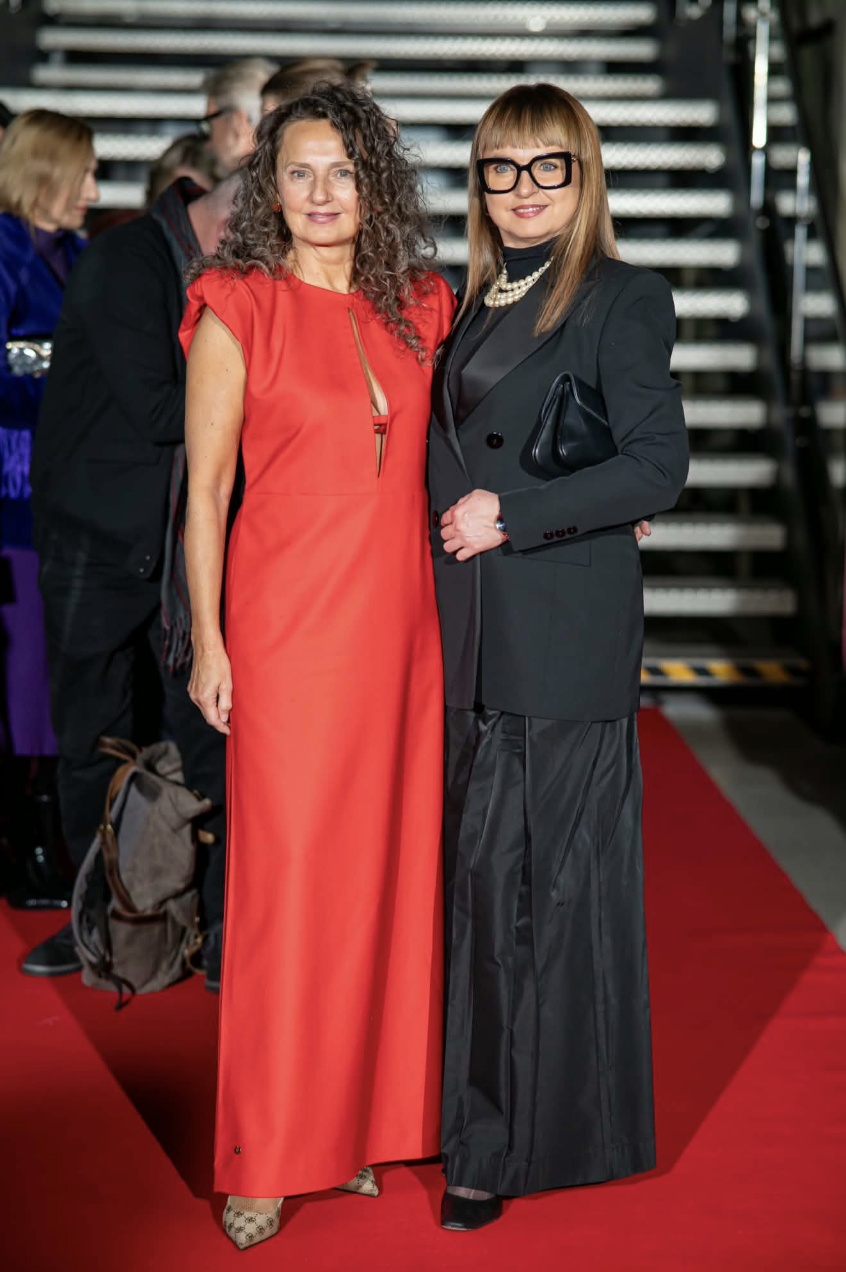
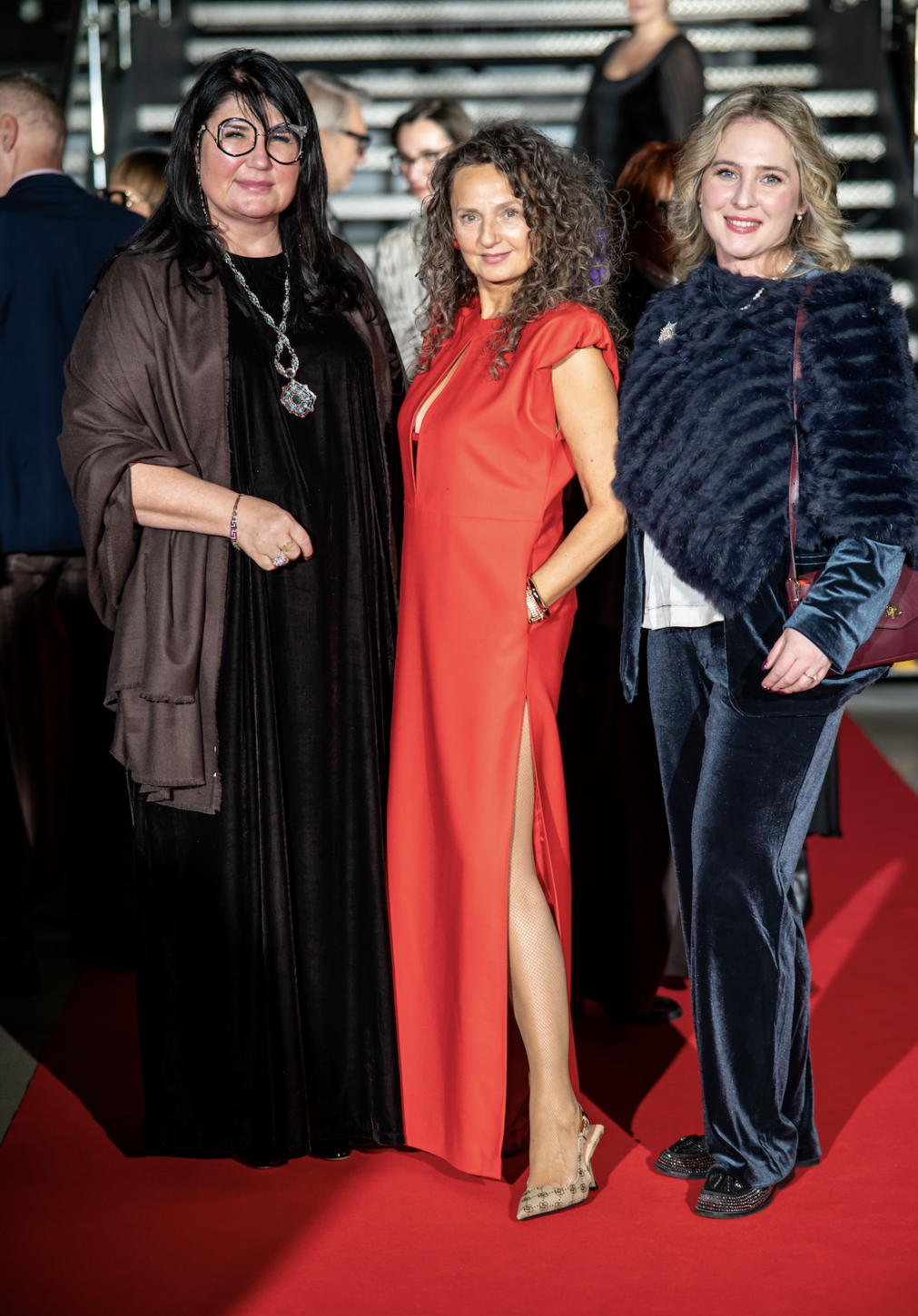
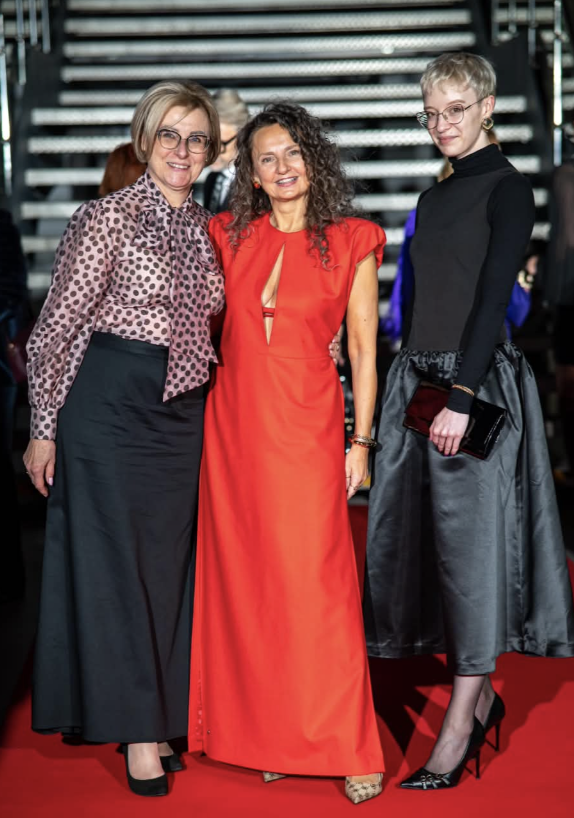
The Art Déco Festival in Stalowa Wola returned on November 7–8, 2026, for its second edition, transforming the Museum of the Central Industrial Region (Muzeum Centralnego Okręgu Przemysłowego) into a two-day celebration of one of the twentieth century’s most distinctive artistic styles. The event brought together lectures, fashion presentations, and film screenings, all devoted to the aesthetics that defined the interwar era. The festival was co-organized by the museum and the City of Stalowa Wola under the honorary patronage of Mayor Lucjusz Nadbereżny, with museum director Aneta Garanty and the event’s initiator Ewa Zbaraszewska — a fashion designer and president of the Art & Moda Foundation — at its helm.
The choice of venue was far from accidental. The museum stands in a city whose identity is inseparable from the modernist ambitions of interwar Poland, when Art Déco shaped architecture, industrial design, and everyday life. For one weekend, Stalowa Wola — a town born of the interwar industrial dream — became the capital of interwar chic. Hosting the festival in this setting allowed visitors to experience the style not only in lectures and images, but also in the architectural context of the period itself. Although nearly a century has passed since the birth of the style, the event proved that its aesthetics still delight, inspire, and remain very much alive.
As the museum’s organizers summed up:
“The programme allowed us to look at the Art Déco style from different perspectives — to learn about its origins, its characteristic forms and its influence on other fields of art, and to discover the ties between this aesthetic and the architecture of pre-war Stalowa Wola.”
— organizers of the Museum of the Central Industrial District
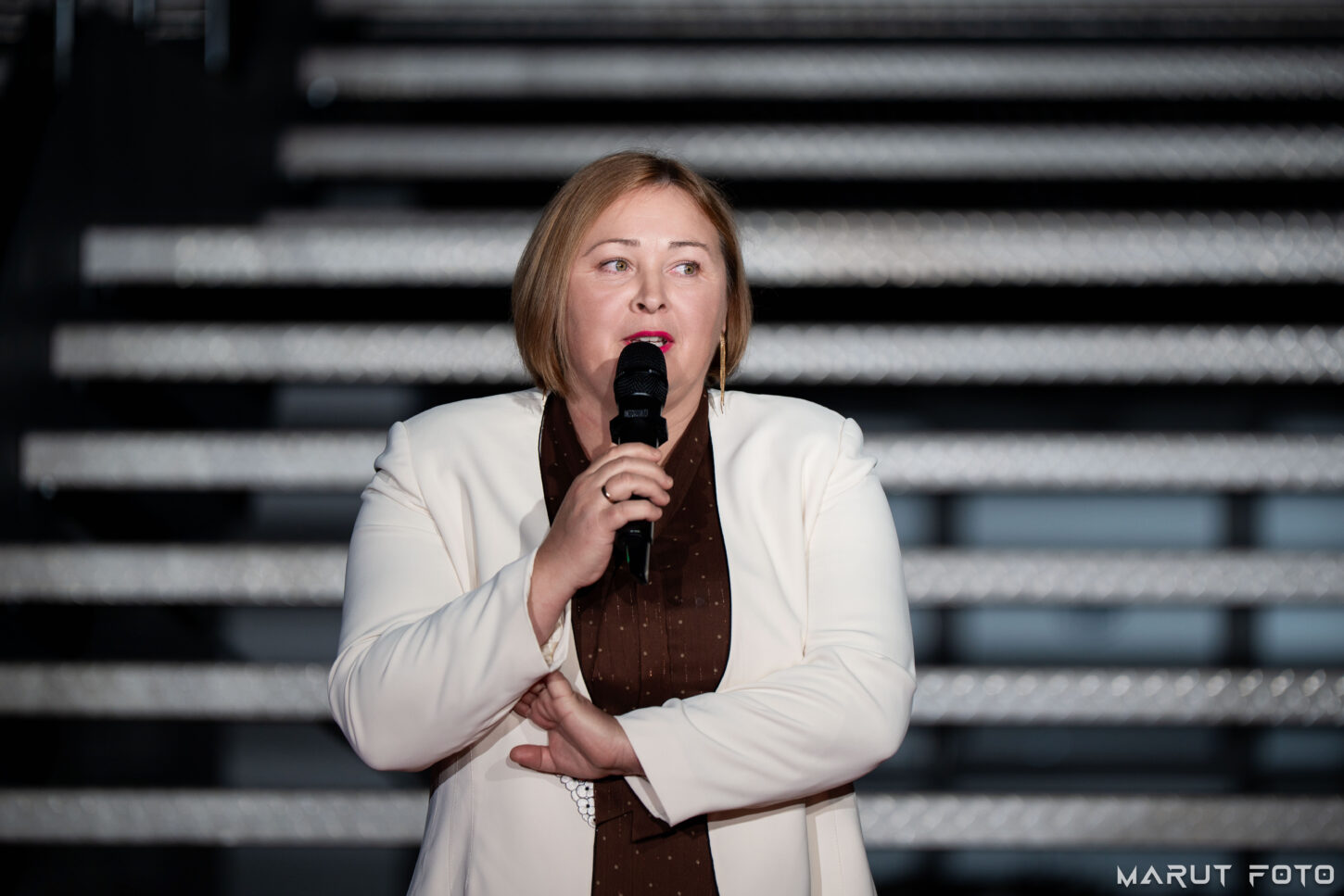
The heart of the event, however, is its initiator. Ewa Zbaraszewska built the festival on the idea that has guided the Art & Moda Foundation for years:
“The Art & Moda Foundation, which I have run for several years, reveals its purpose already in its very name: building a fashion community in Stalowa Wola and bringing the city’s remarkable architecture and history closer to a wider audience. It was my great wish to combine these strands — and I came to the conclusion that the festival format would be ideal.”
— Ewa Zbaraszewska, festival initiator
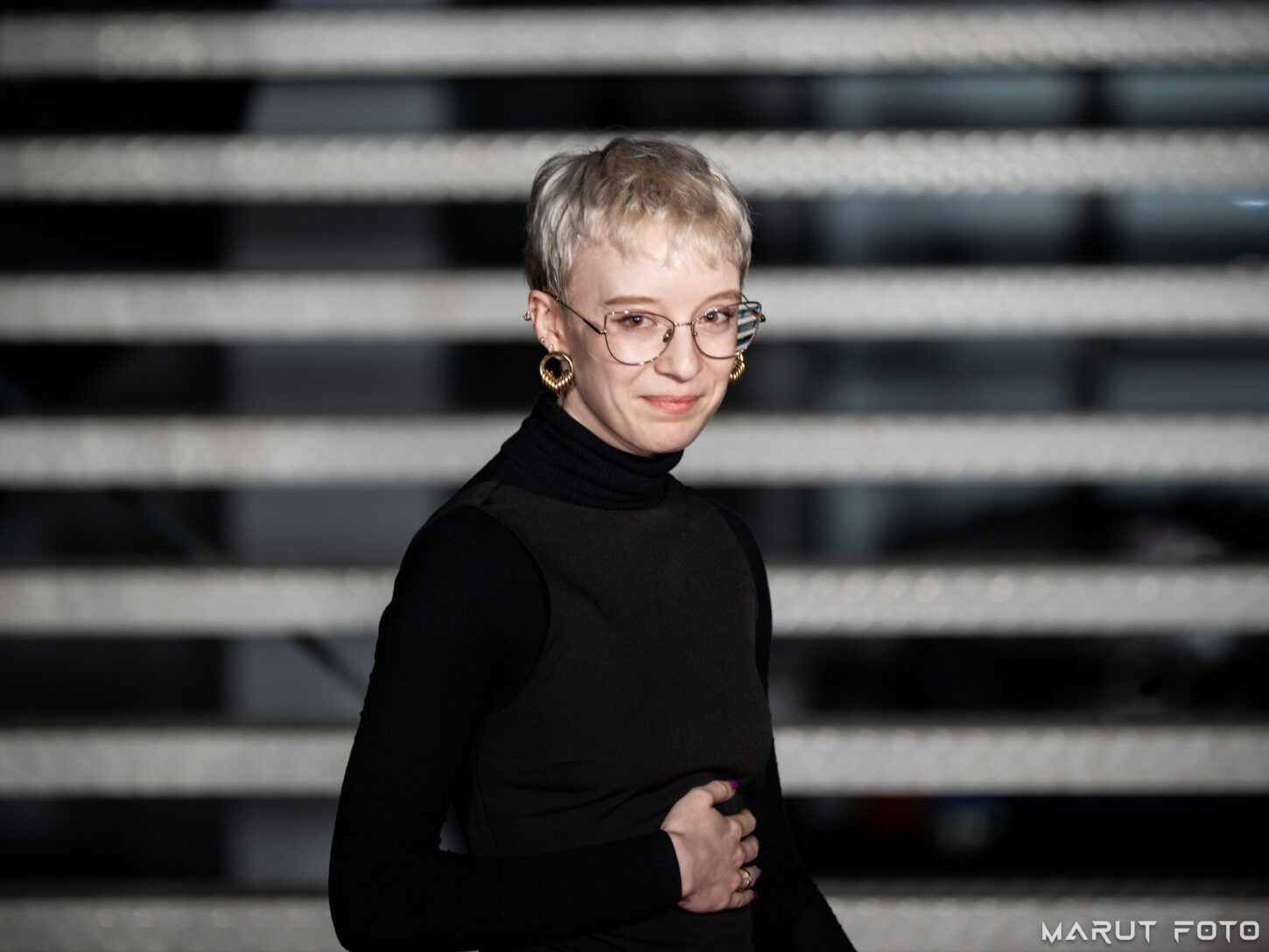
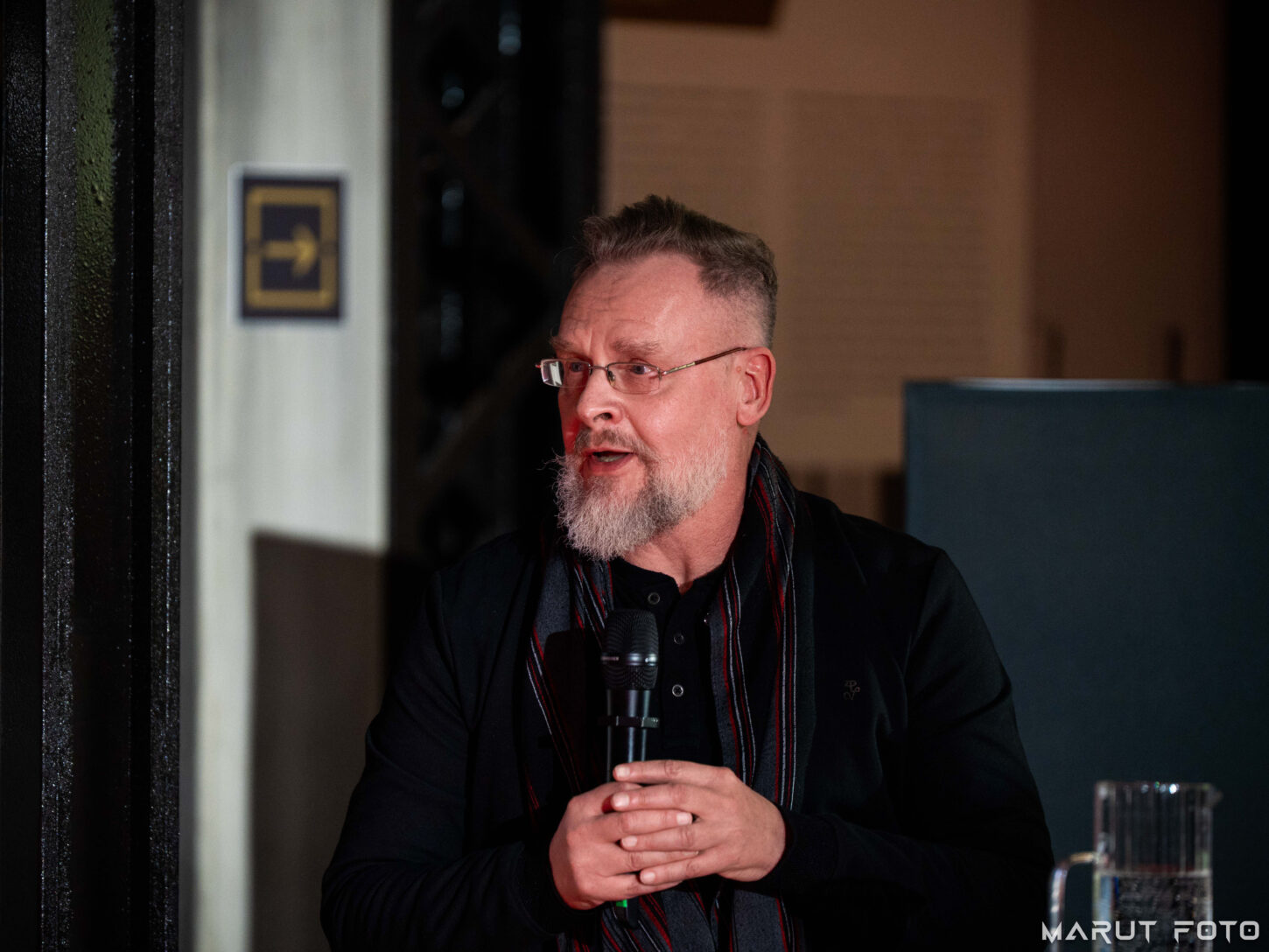
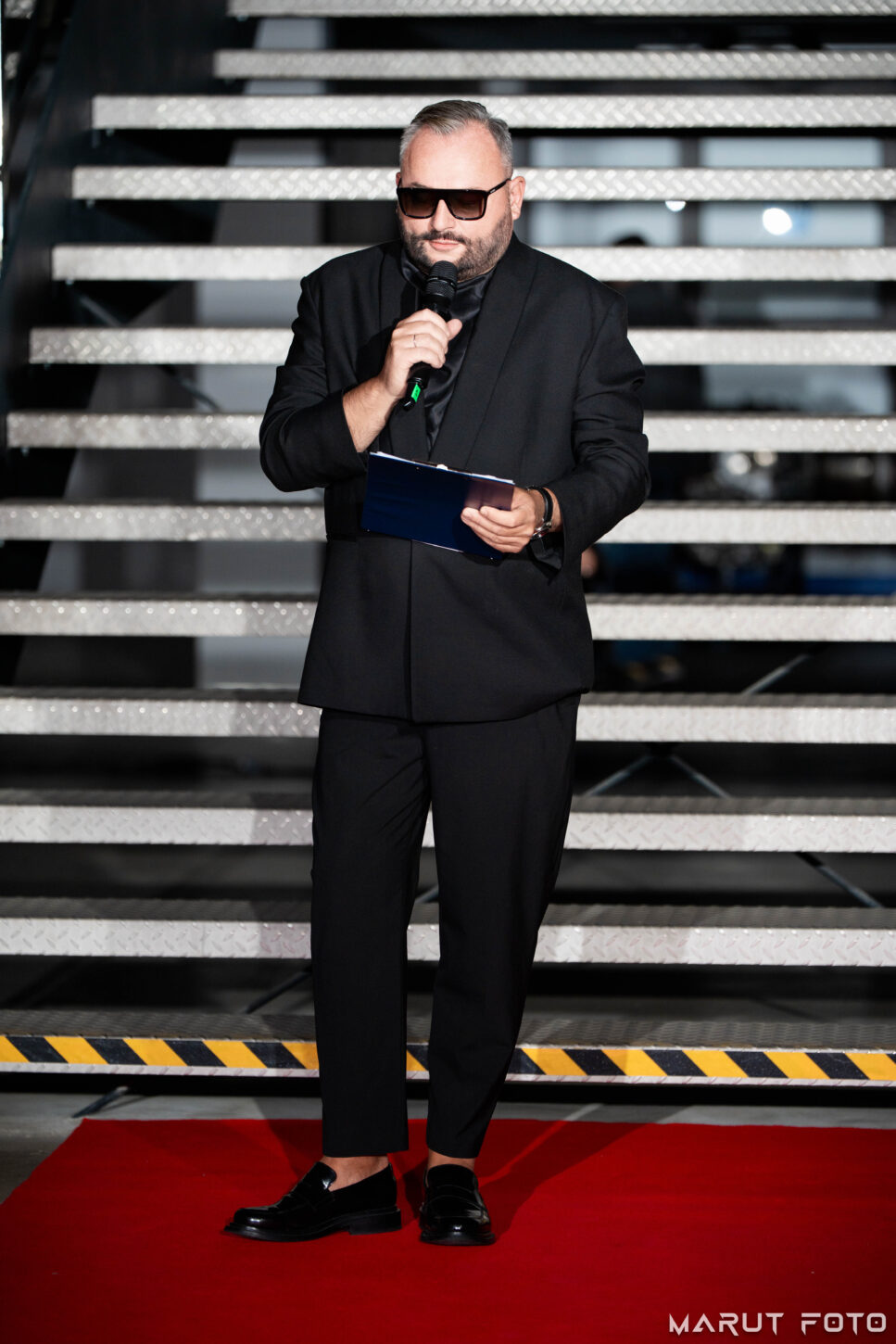
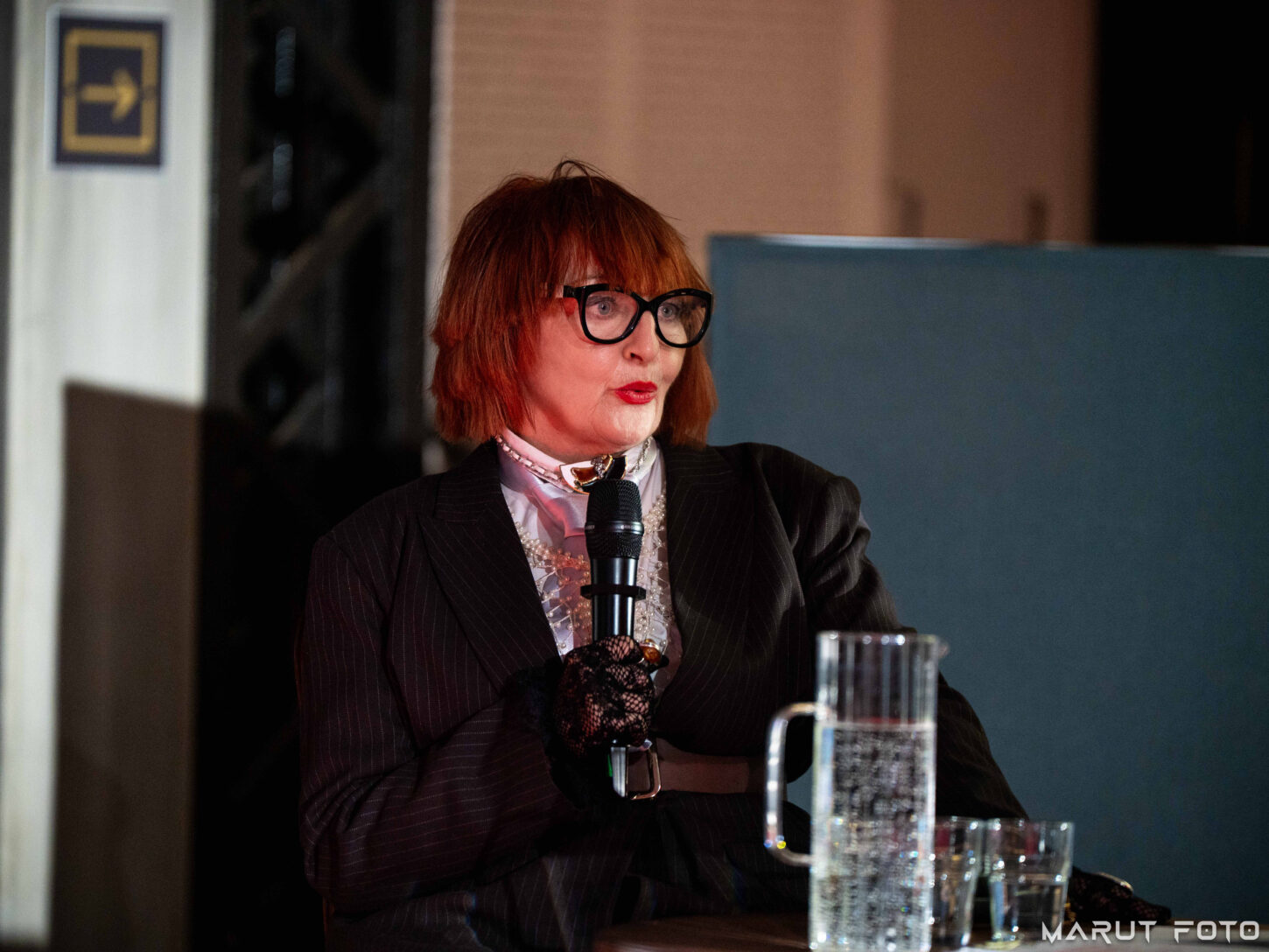
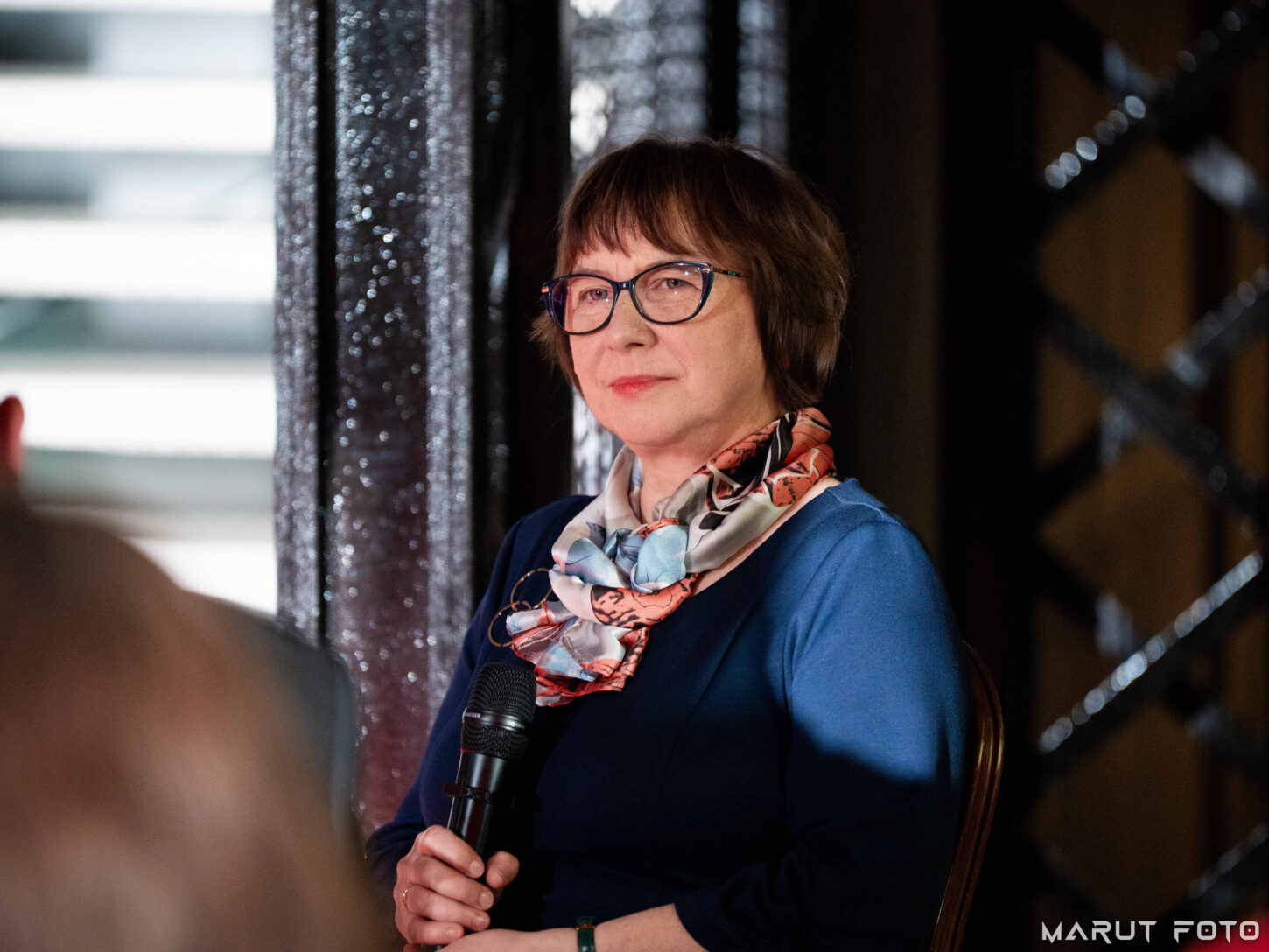
As she reveals, the idea was born in a symbolic year:
“Exactly one year ago, on the centenary of the Art Déco style being named in the world — we date it to the 1925 Paris Exhibition — I came up with the idea of organizing the first edition of this event. We were enormously fortunate: my invitation was accepted by Marisa de Lempicka, granddaughter of the famous Polish painter Tamara de Lempicka, and it was she who opened the first Art Déco Festival in Stalowa Wola. Our wonderful host, who has accompanied us since the first edition, is the well-known journalist, fashion expert and admirer of modernism Michał Zaczyński.”
— Ewa Zbaraszewska, festival initiator
The organizer deliberately plans the festival’s growth: “I assumed from year to year that the festival’s formula would expand — that is why creating it is an ever greater challenge, as it becomes richer in new initiatives,” she explains. She was equally meticulous in selecting the designers: “I pondered for a long time over the choice of designers; I was looking for collections in which the audience could find traces of the Art Déco style in contemporary fashion. I know that all of the collections made a huge impression on the public,” she says, stressing also “the tremendous role of the invited speakers, who came to us from all over Poland.” Behind it all stands a close-knit team: “I am immensely happy about all the people I was able to work with — a wonderful team from the Regional Museum, Muzeum COP (Centralny Okręg Przemysłowy) and the MDK (Miejski Dom Kultury) in Stalowa Wola. I experience the wonderful feeling of creating beauty and, at the same time, sharing it. By drawing on the refined aesthetics of the style, we managed to earn the audience’s delight and leave them pleasantly wanting more,” she concludes.
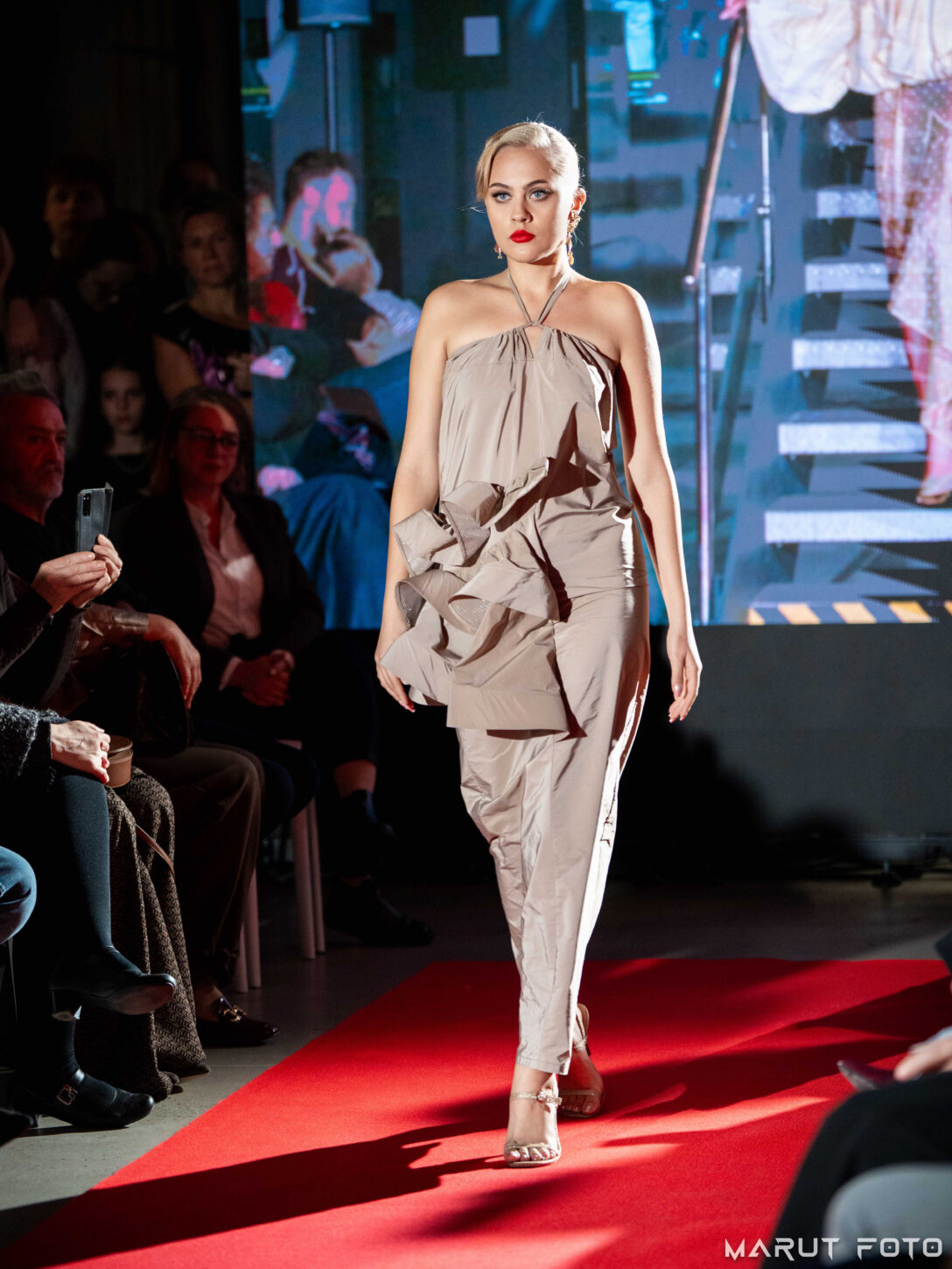
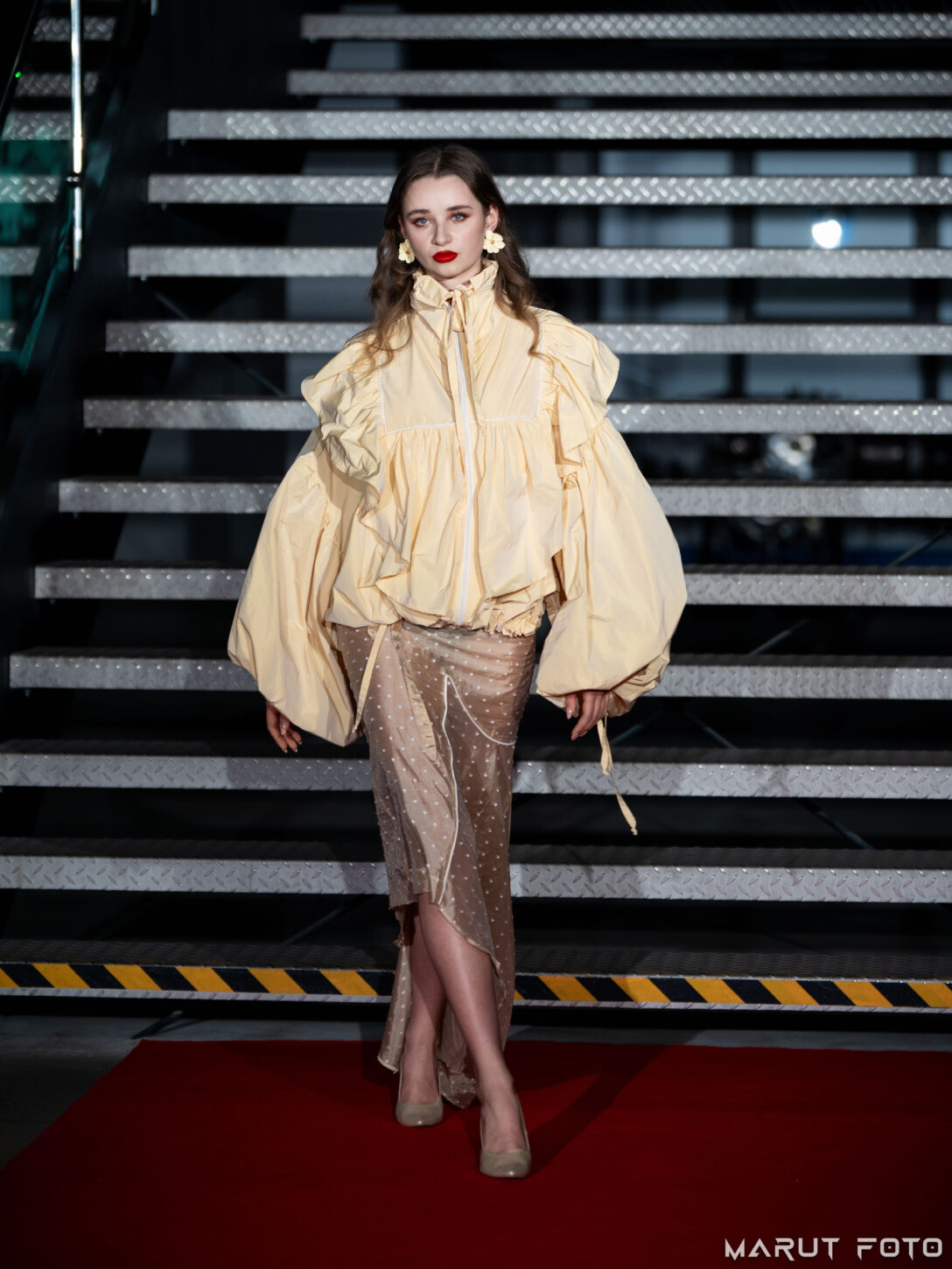
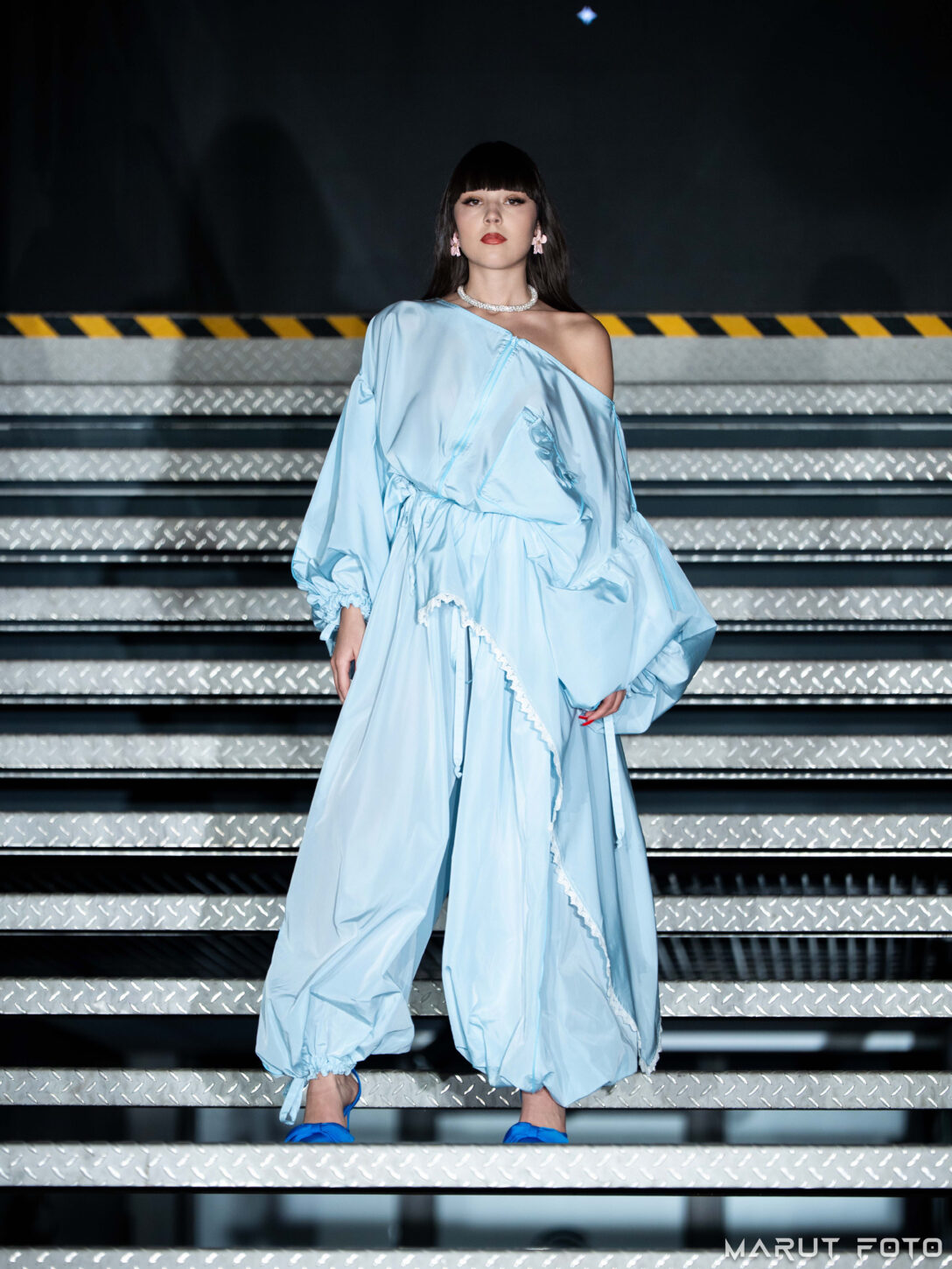
A significant part of the program was dedicated to knowledge. Historians, art historians, and design experts delivered lectures tracing the history of Art Déco from its birth in 1920s Paris, through its distinctive reception in Poland, to its lasting influence on art, architecture, and design. Sylwia Pęcak presented a lecture entitled “The Geometry of Beauty: The Origins of the Art Déco Style in Europe”; Dr Tomasz Mościcki gave two lectures — “In the Ideal City of the Second Polish Republic” and “Theatrical Visual Art and the Architecture of Stalowa Wola”; Anna Grzybowska asked “What About Painting?”; Joanna Rybak explored “In the World of Prewar Elegance: Fashion of the Second Polish Republic”; and Jadwiga Surowiak closed the series with “Literature in the Glow of Art Déco”. The speakers also addressed the question of the style’s contemporary relevance, examining why its geometric forms and glamour continue to inspire artists and designers nearly a century later.
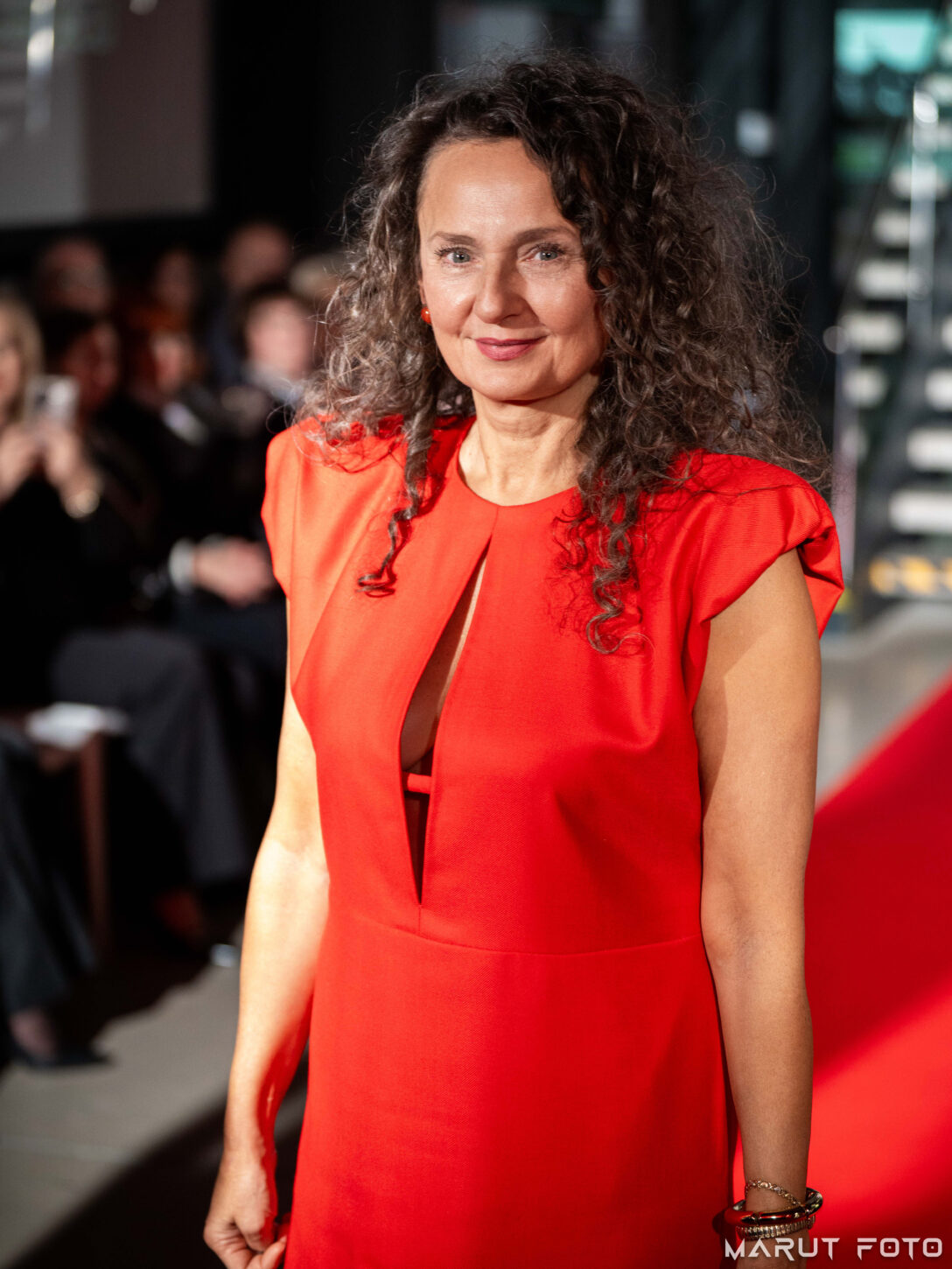
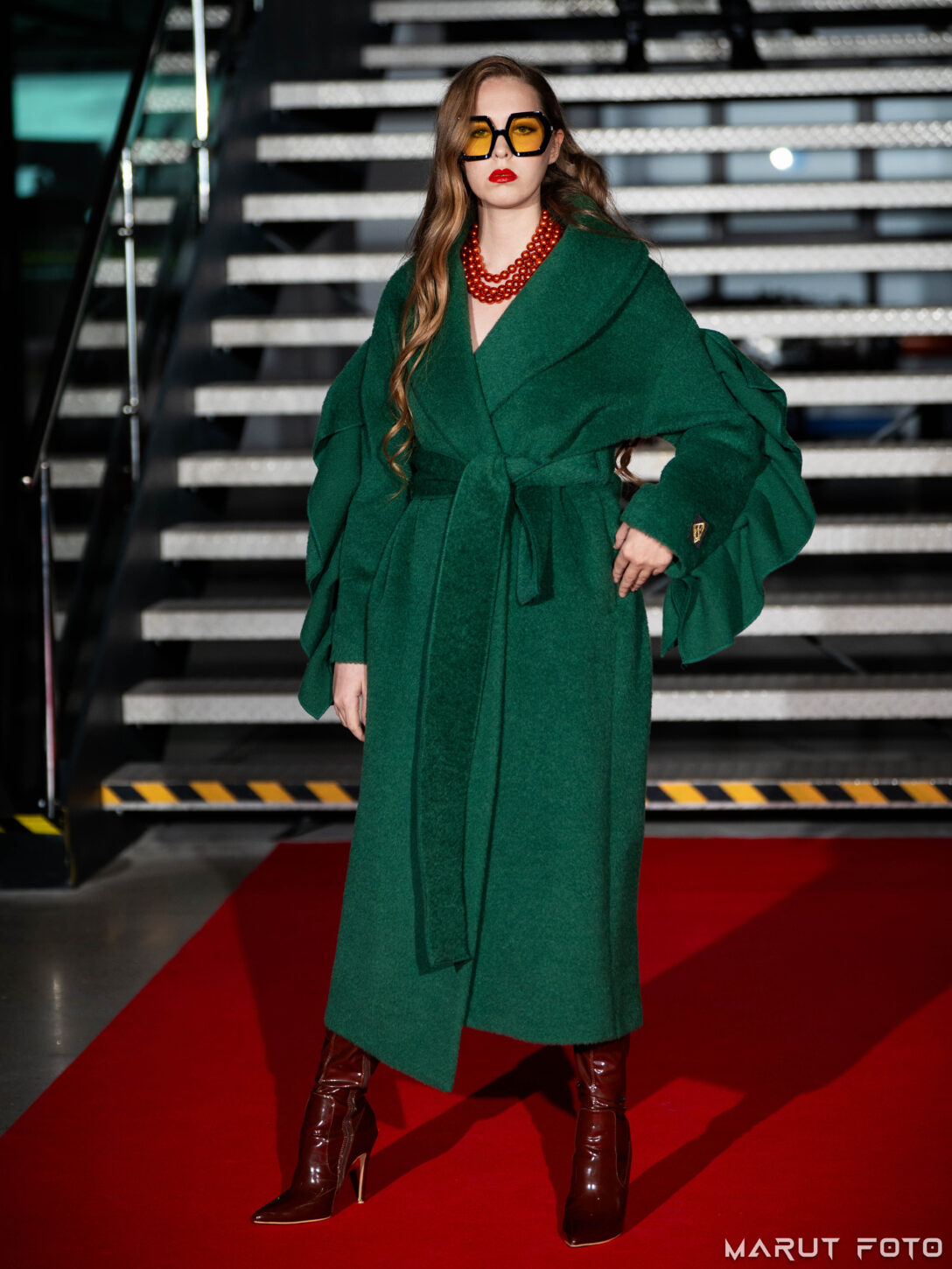
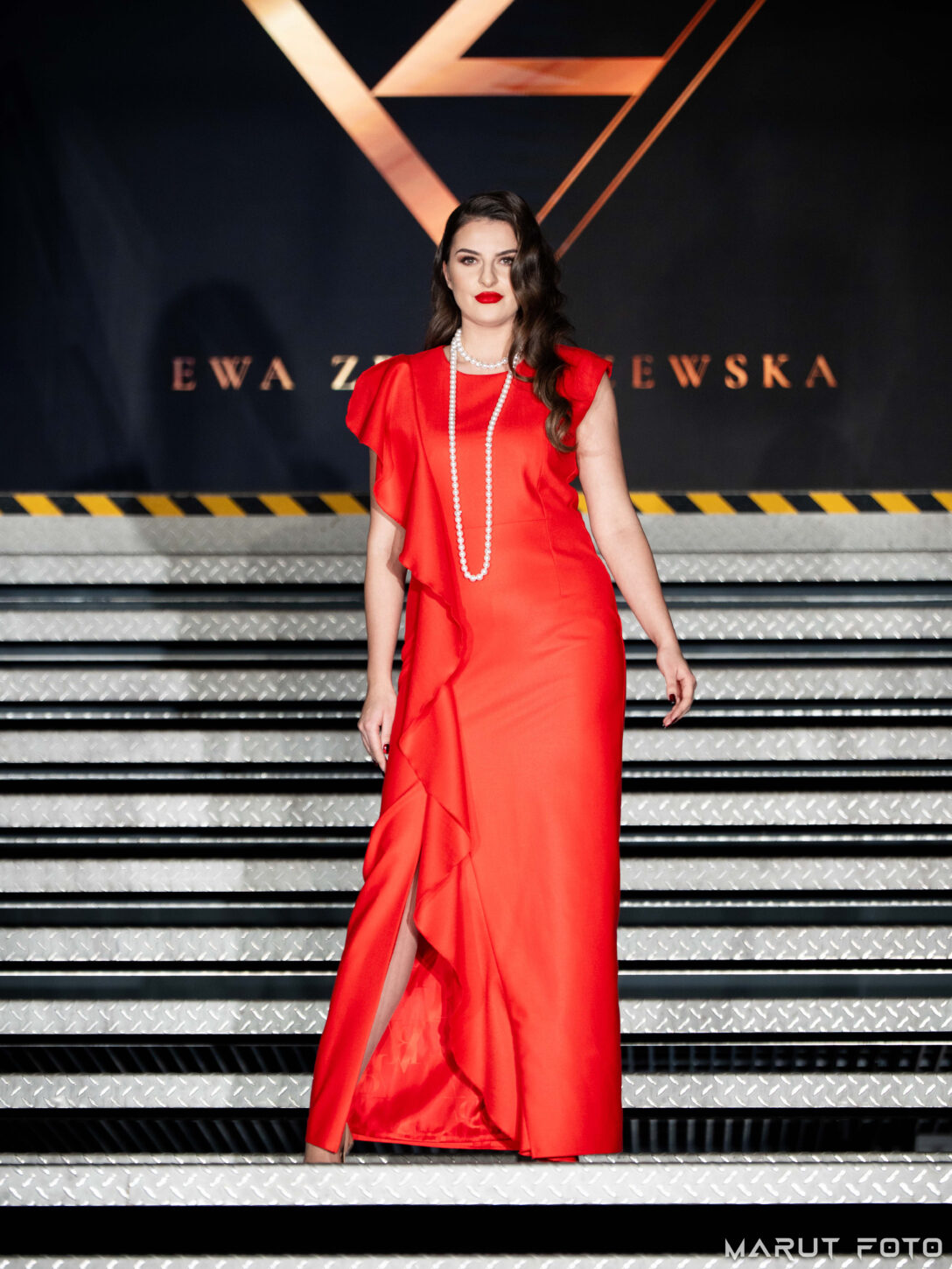
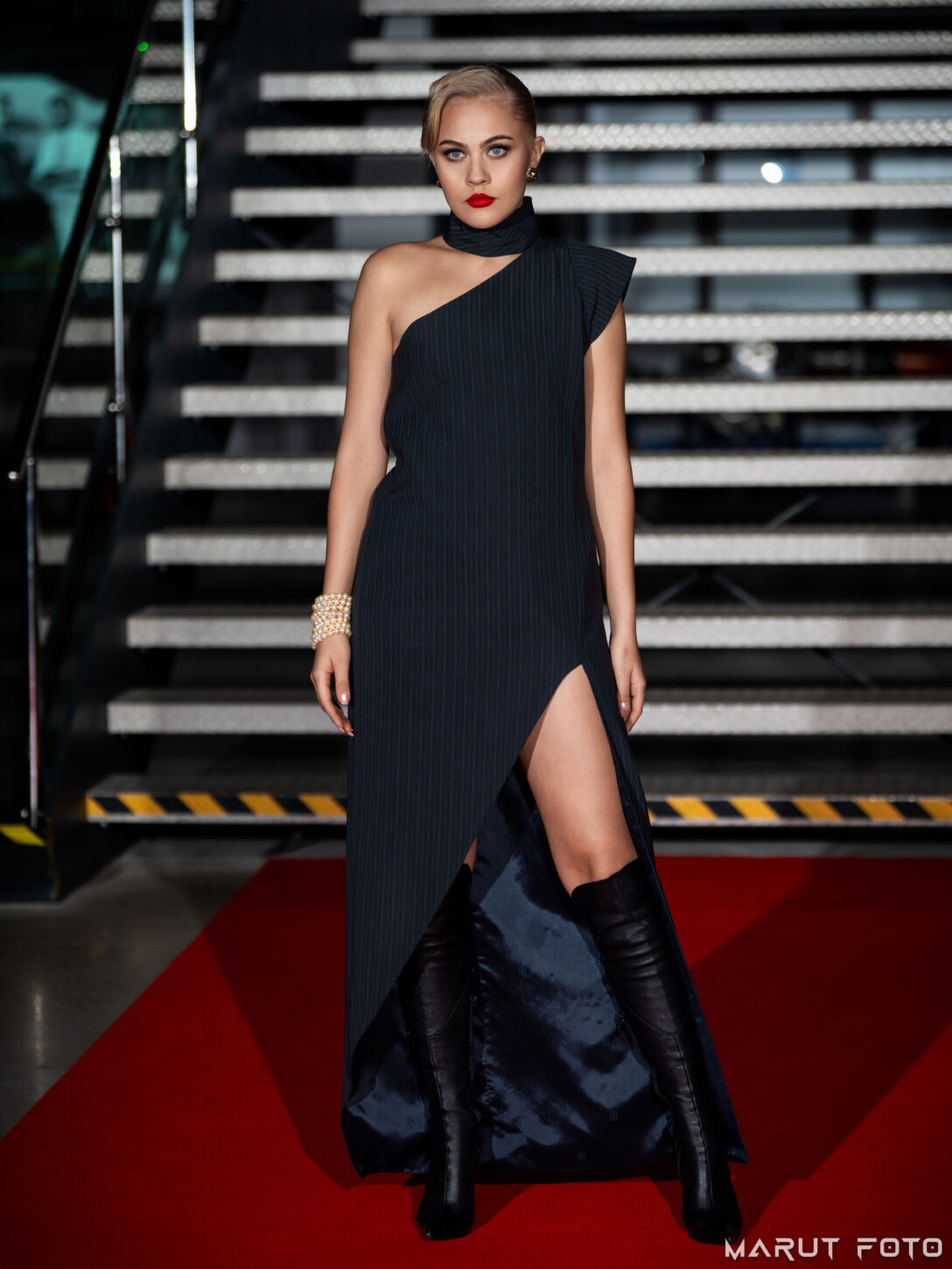
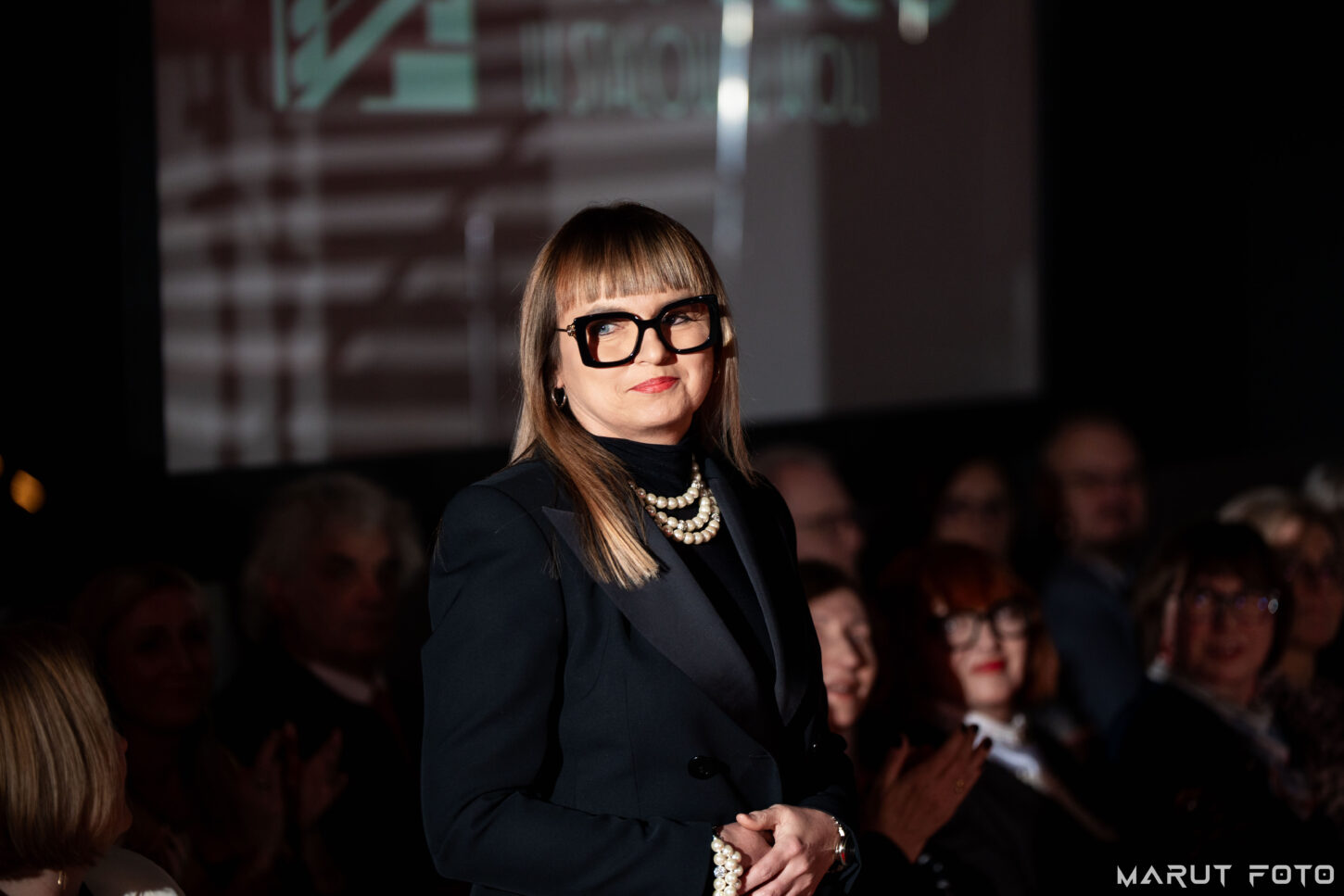
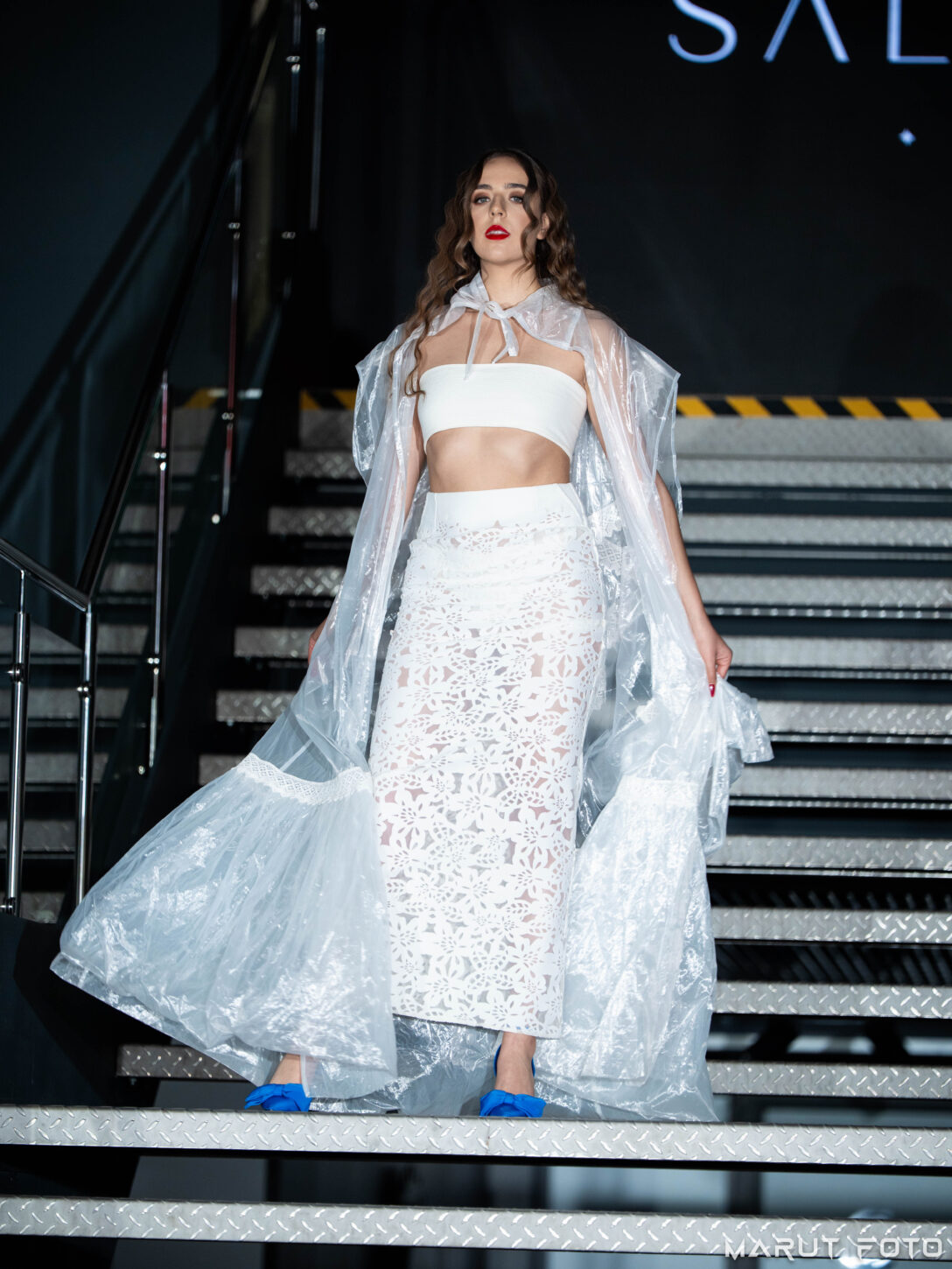
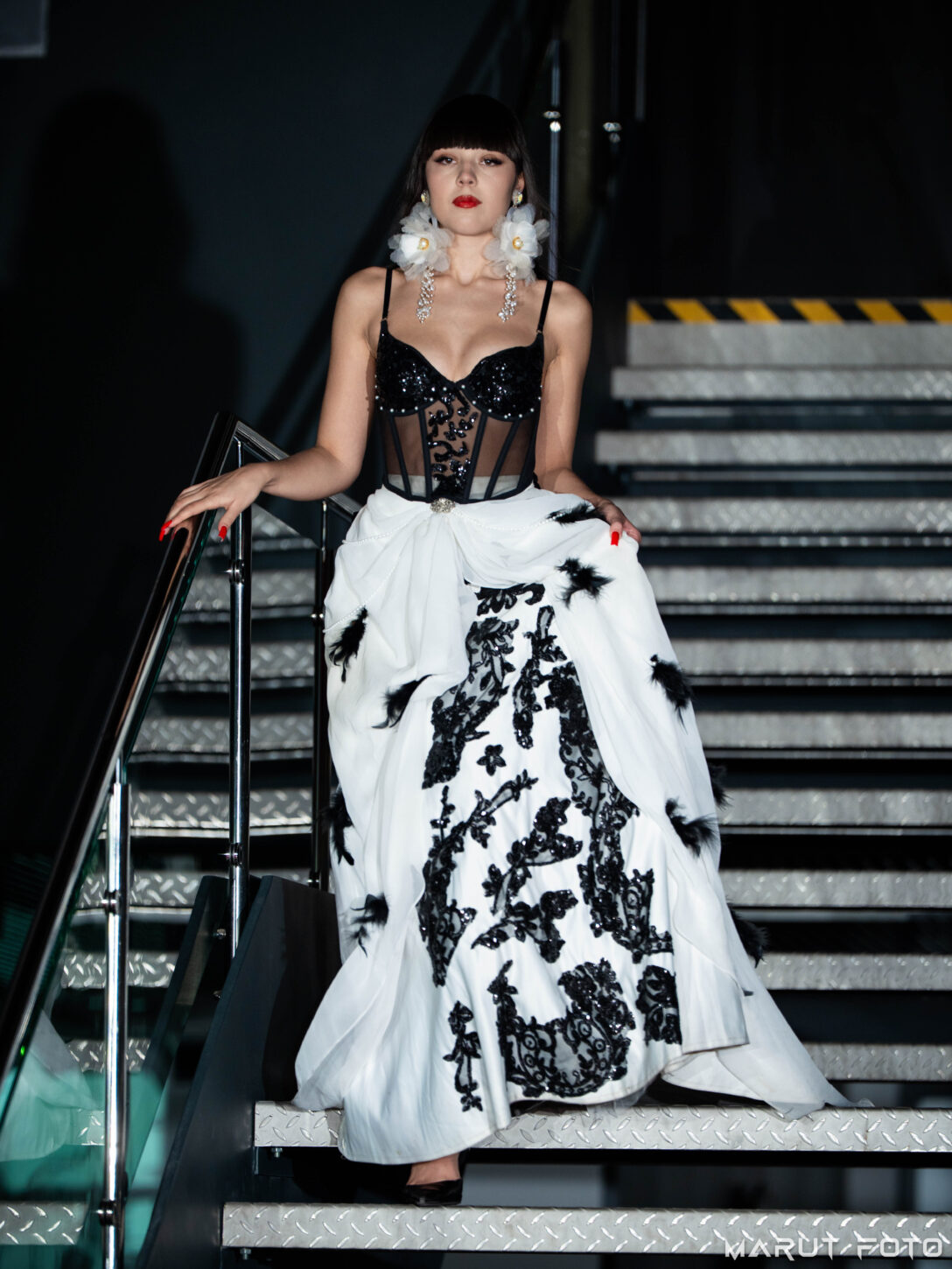
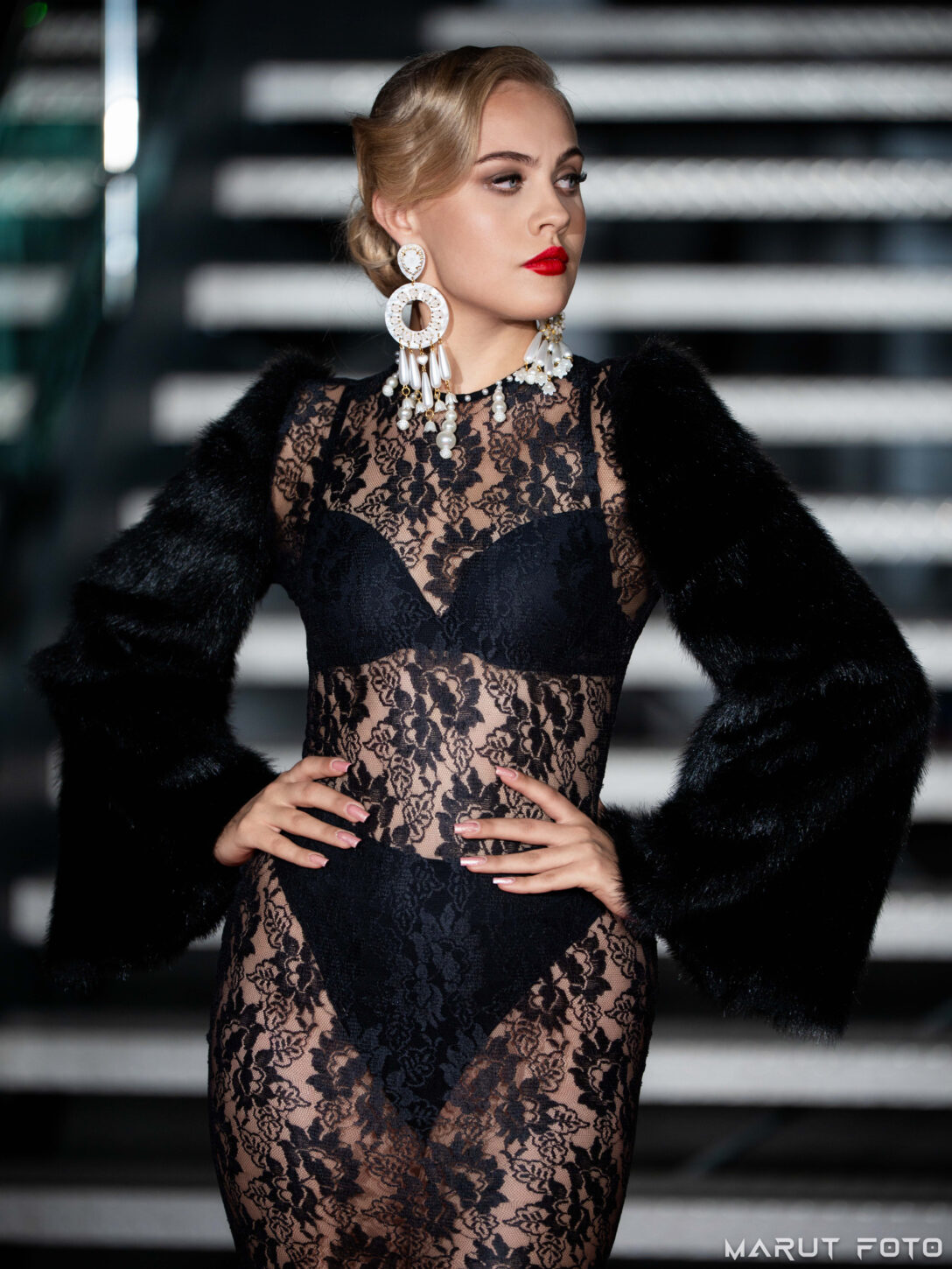
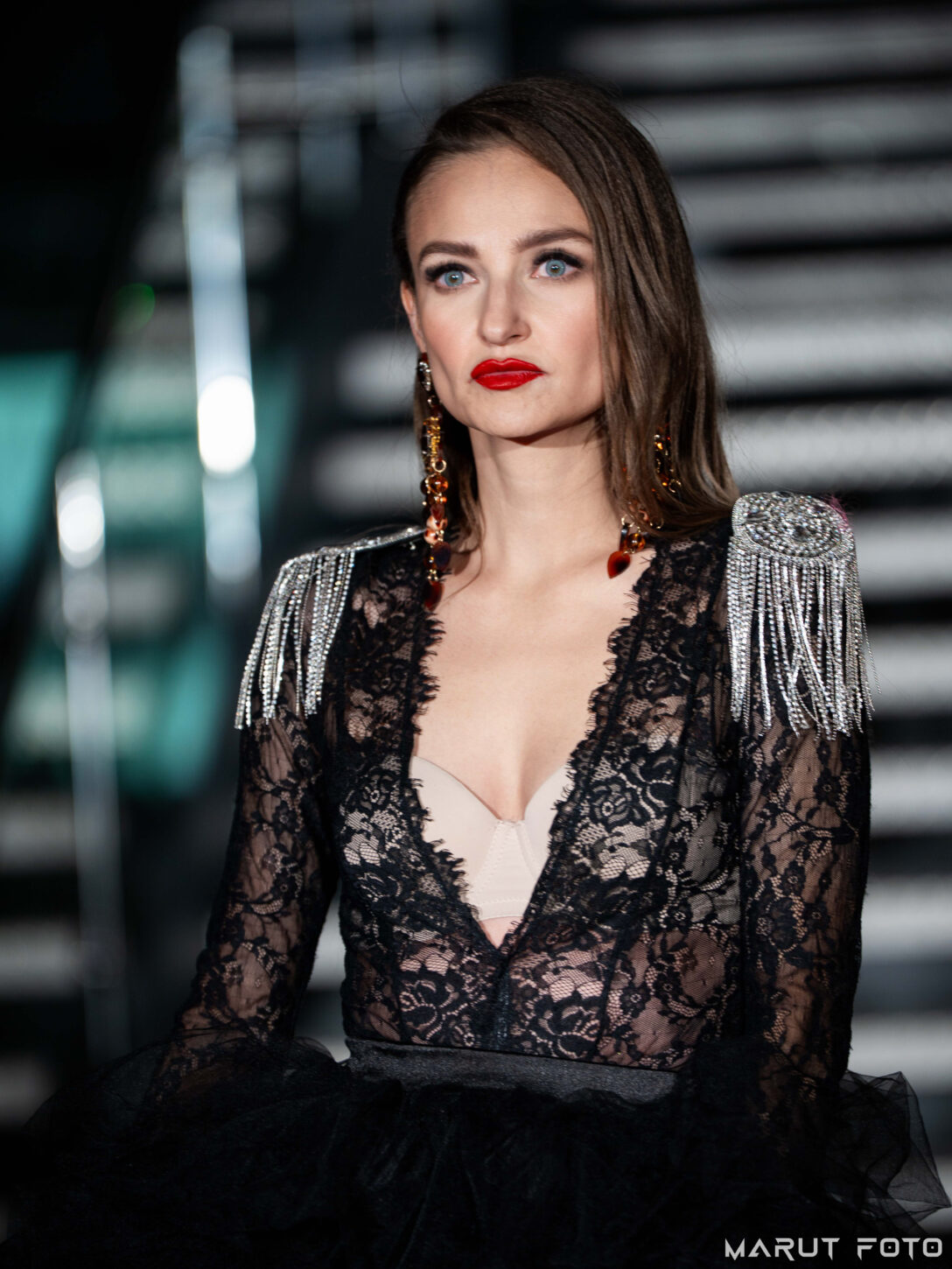
The main highlight of the festival was the runway shows featuring original collections by Polish fashion designers. The presentations demonstrated how the interwar language of luxurious materials, elegant silhouettes, and geometric ornament can be reinterpreted by contemporary Polish fashion. The shows were hosted by Michał Zaczyński, a well-known journalist, lecturer, and fashion market expert. On the runway, their unique visions were presented by Alicja Gorczyńska Alosza, Wioletta Podsiadlik, Nargiz Salwa, and Magdalena Wilk-Dryło, alongside the festival’s initiator Ewa Zbaraszewska and Bartek Czaja. The shows were interwoven with expert lectures that introduced the audience to the phenomenon of the 1920s and 1930s from various perspectives.
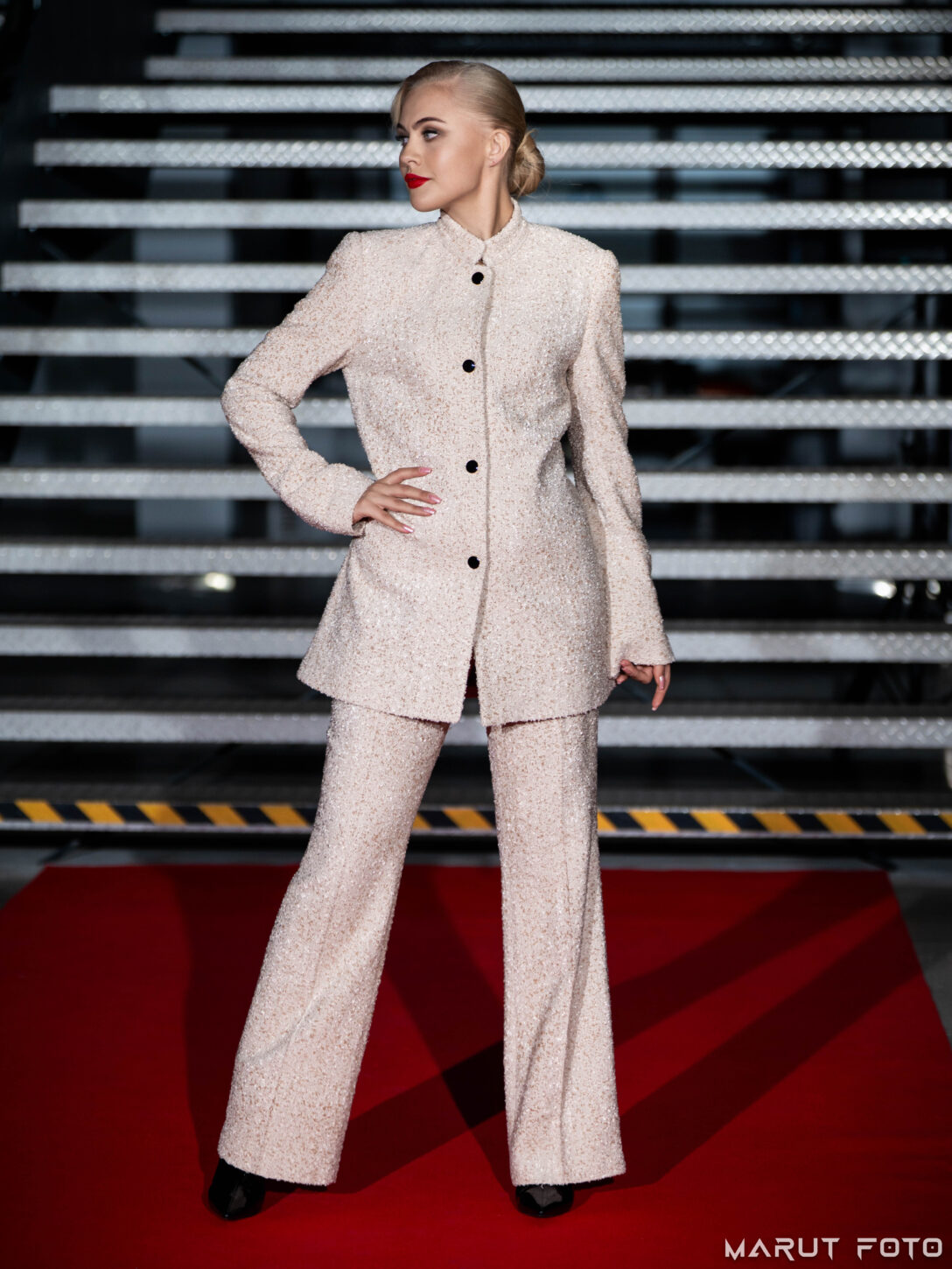
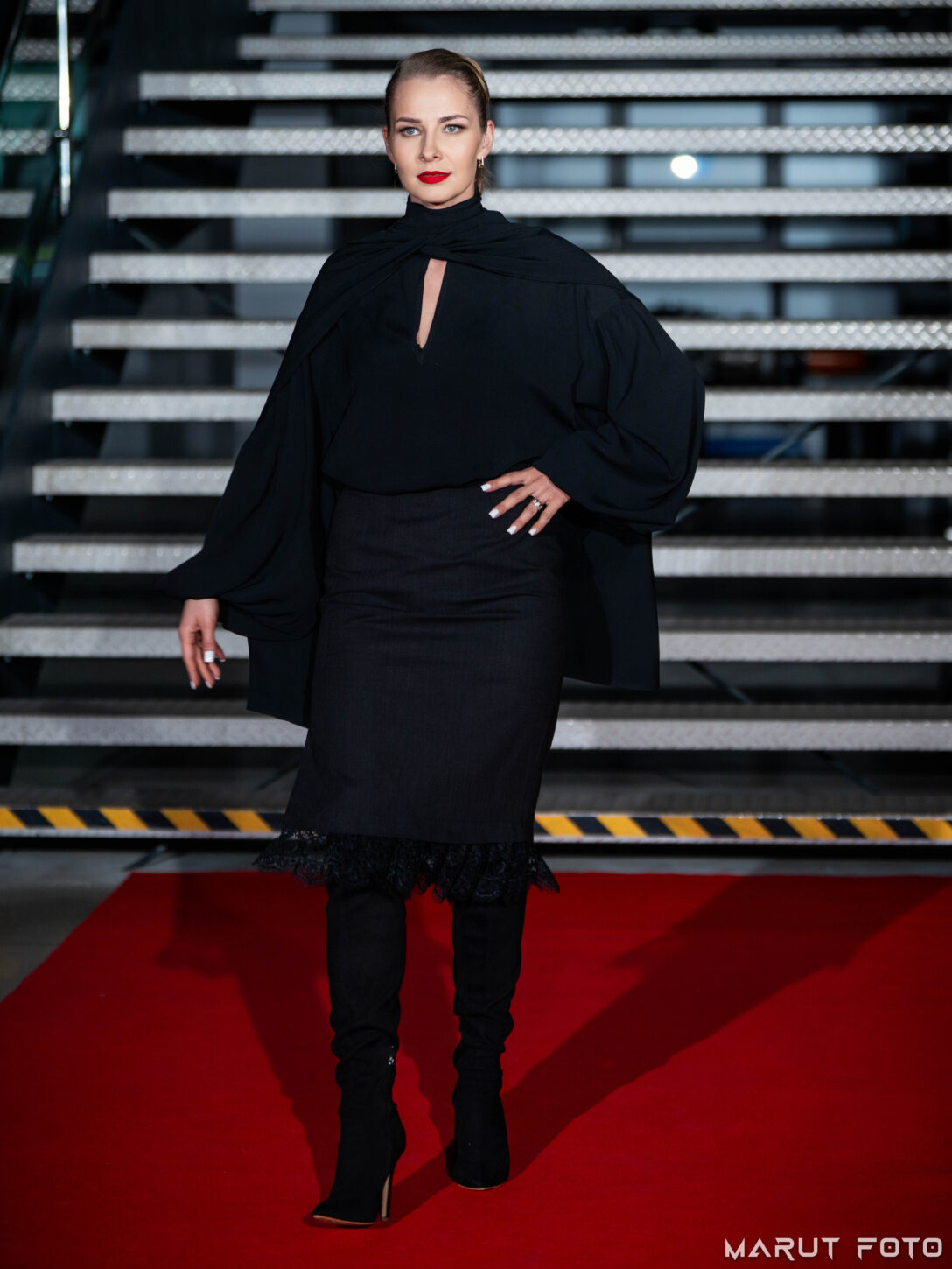
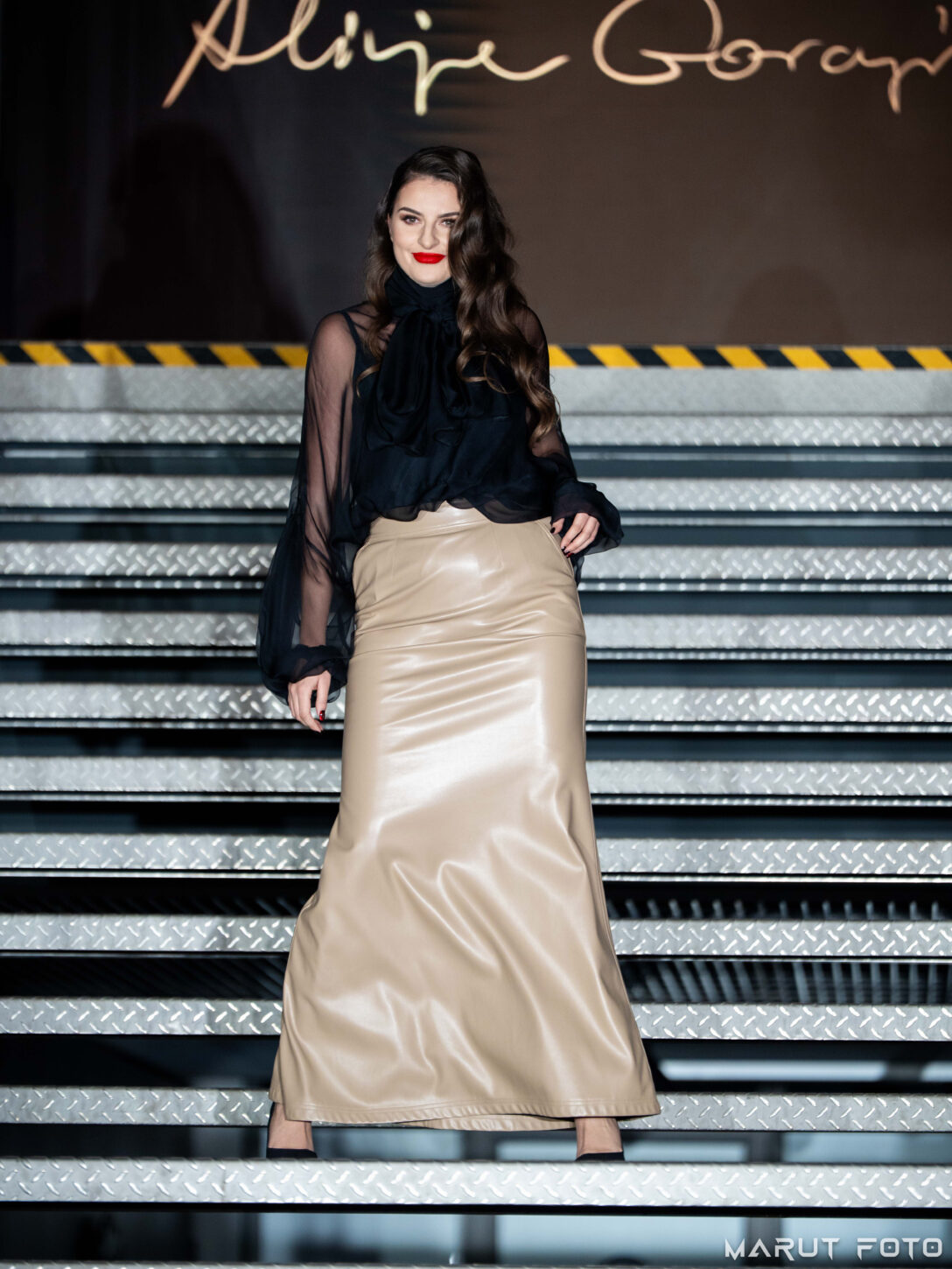
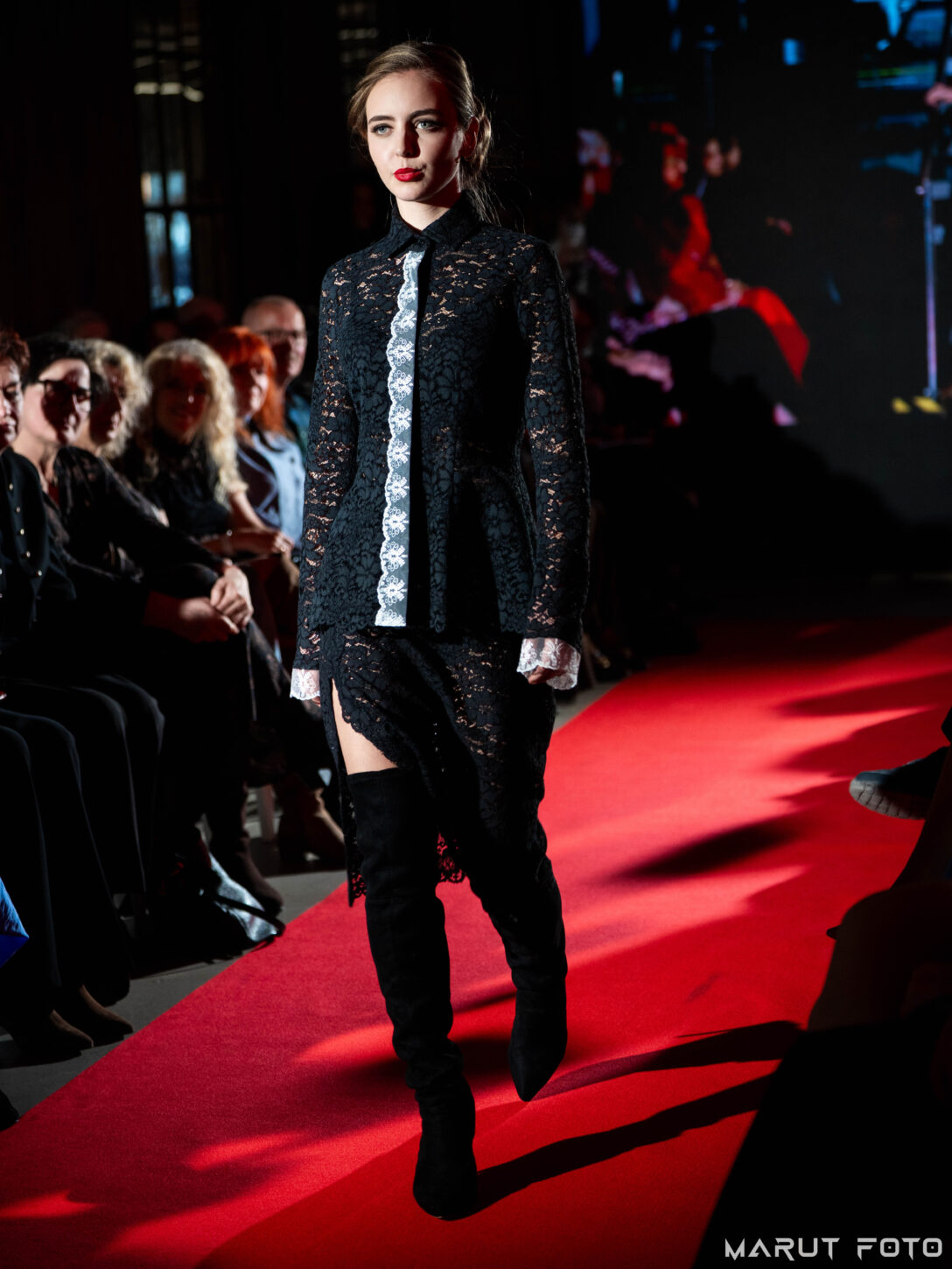
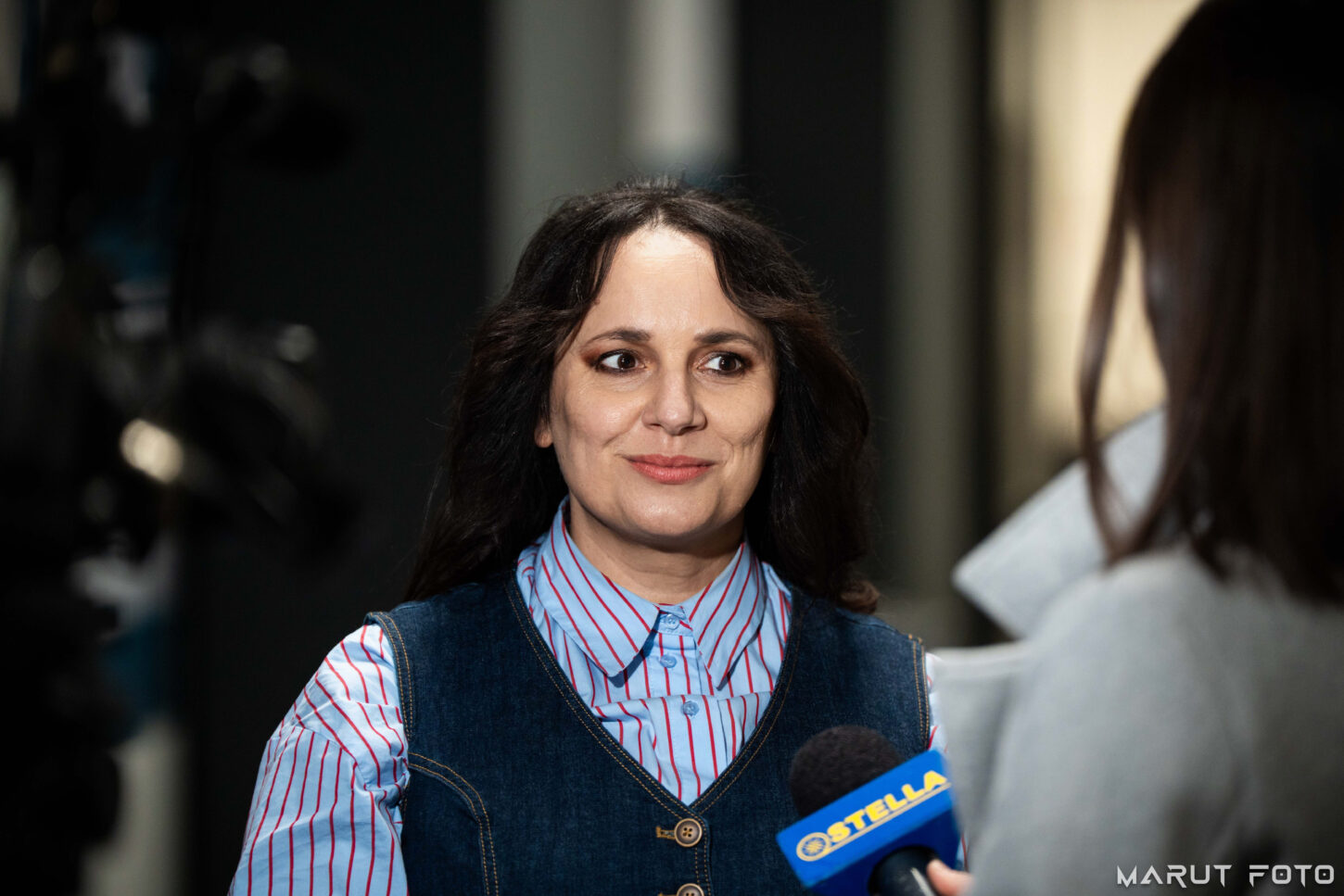
Among the featured designers, Alicja Gorczyńska Alosza shared the story behind her collection:
“My collection is above all a story about timeless elegance, femininity, and a conscious approach to fashion. The inspiration for creating it was the Art Déco aesthetic, which has always been associated in my mind with sophistication, harmony, and an exceptional attention to detail. I wanted to refer to the elegance of past decades while giving it a contemporary character, so that each of the presented silhouettes could also find its place in today’s wardrobe. It was something completely new for me, as on a daily basis I go for bold prints and colors.”
— Alicja Gorczyńska Alosza, designer
“The collection features classic polka-dot shirts, pencil skirts that accentuate the figure, and elegant wool coats, which are the quintessence of timeless style. I paid particular attention to the choice of fabrics — their quality, texture, and the way they drape on the female silhouette. I believe that true luxury does not need excess — it lies in noble fabrics, perfectly refined cuts, and details that give clothes a unique character,” she explained. “I wanted to create a collection that would not merely respond to current trends, but would remain relevant regardless of the passage of time. It is a proposition for women who value individuality, class, and elegance, and who want to emphasize their personality through what they wear. An extremely important element of the presentation for me was also the venue itself. Its unique atmosphere and architectural character created a beautiful setting for the presentation of the collection, allowing the Art Déco inspirations to resonate even more strongly. It is precisely such a combination of fashion, art, and place that makes a show something more than a presentation of clothes,” Gorczyńska added.
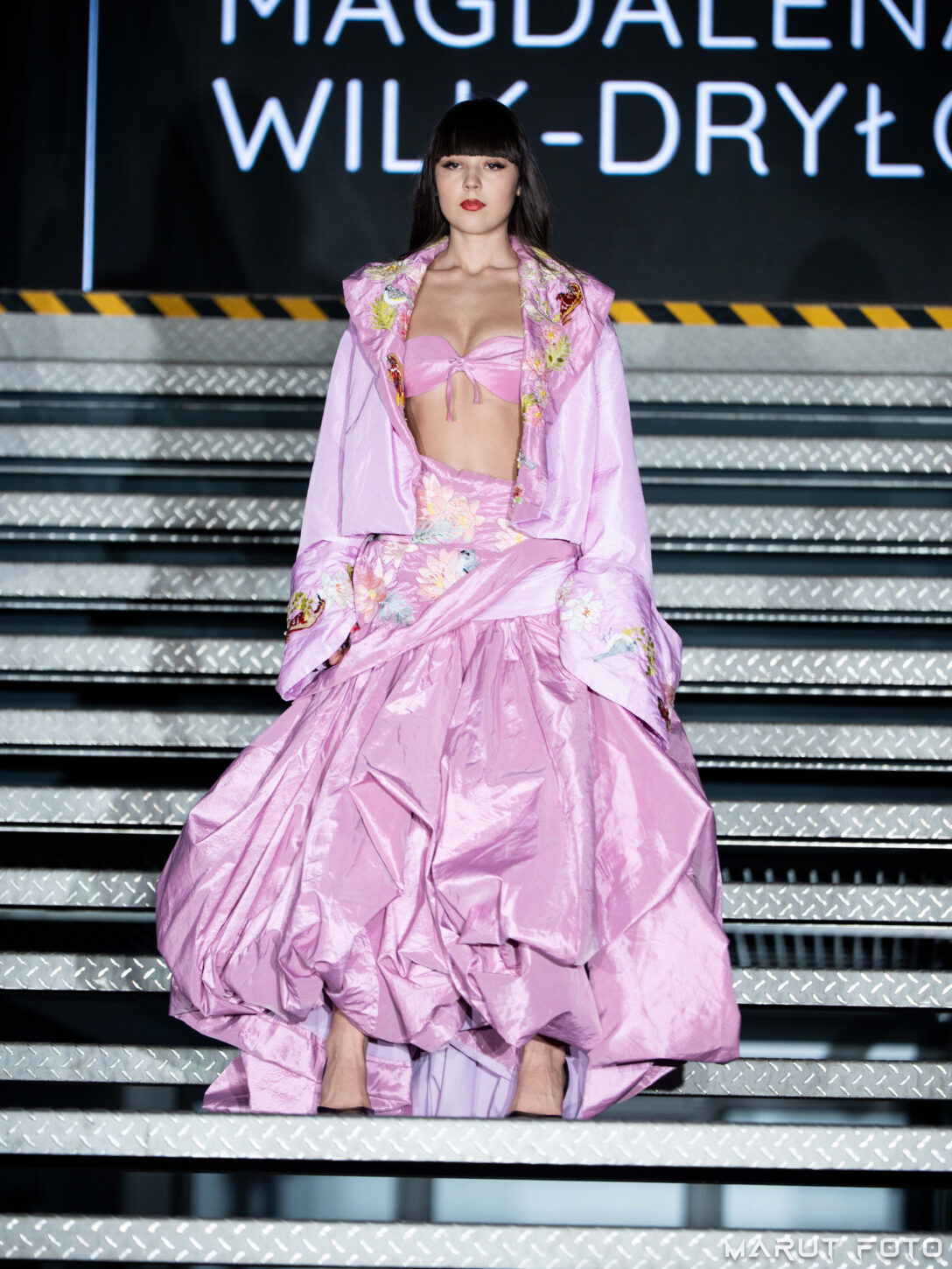
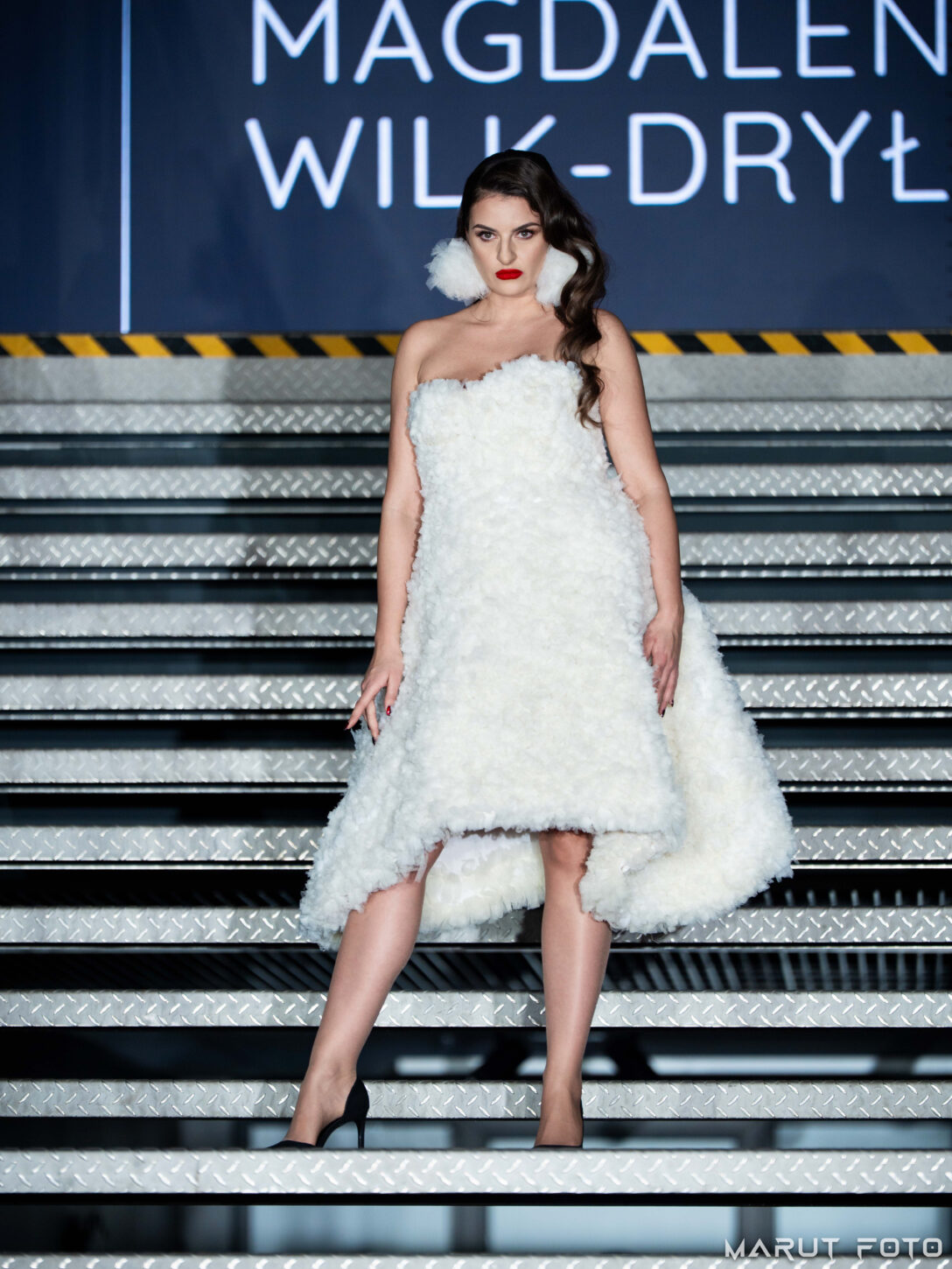
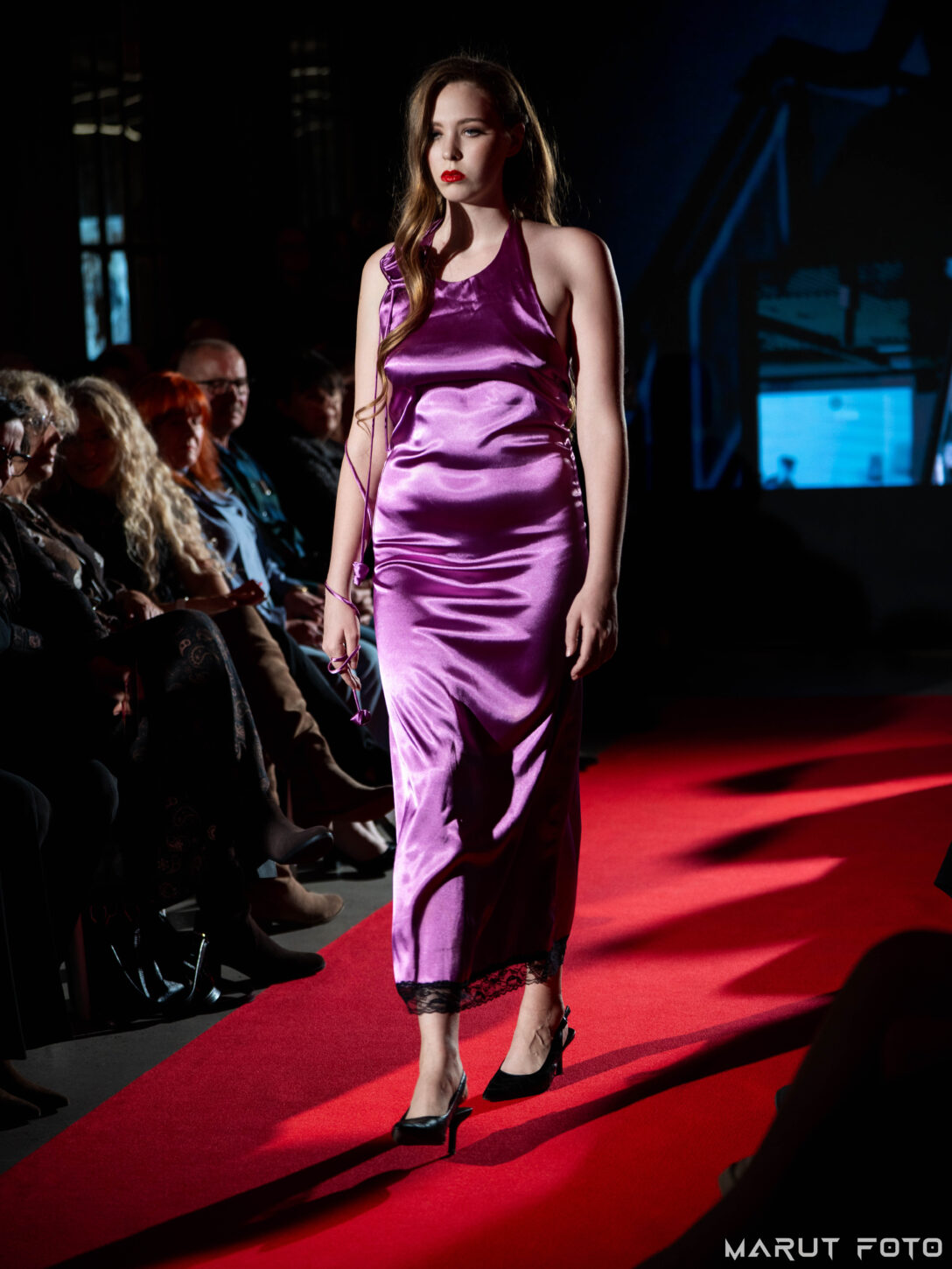
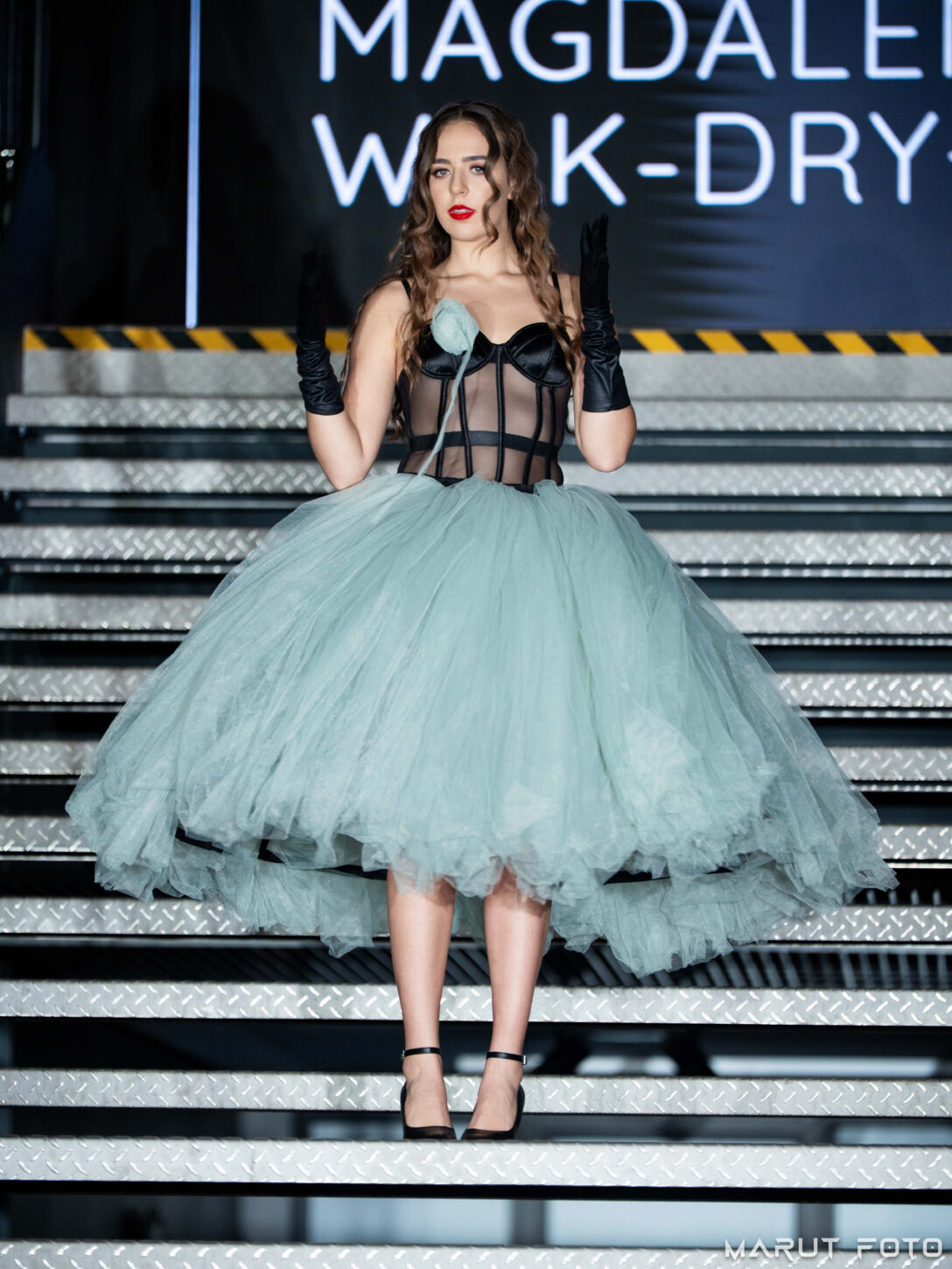
Bartek Czaja, who presented his collection “Eternal Elegance”, recalls the event fondly: “The whole event was exceptional — I am enormously impressed by how professionally and aesthetically everything was organized. I really liked the combination of the fashion shows with the speakers’ stories, which summed up the ideas and style of Art Déco.” His collection is a tribute to classic design:
“I presented the Eternal Elegance collection, which is a tribute to classic elegance. I think some of the designs also fit perfectly into the Art Déco aesthetic and style — one of the dresses was quite literally inspired by an Art Déco building. The entire collection is limited to black and white, and together with rich embellishments of pearls and crystals it forms a cohesive whole.”
— Bartek Czaja, designer
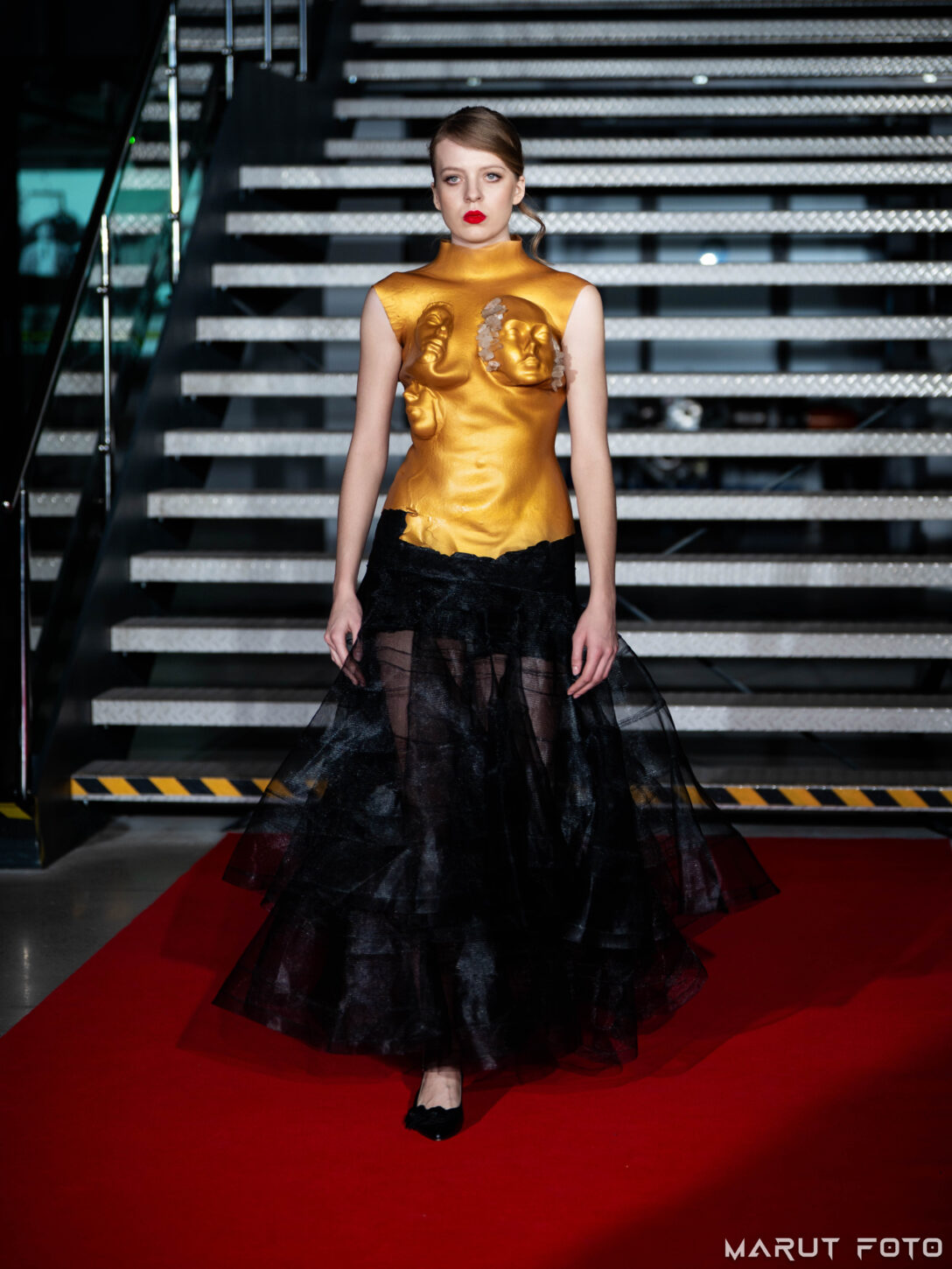
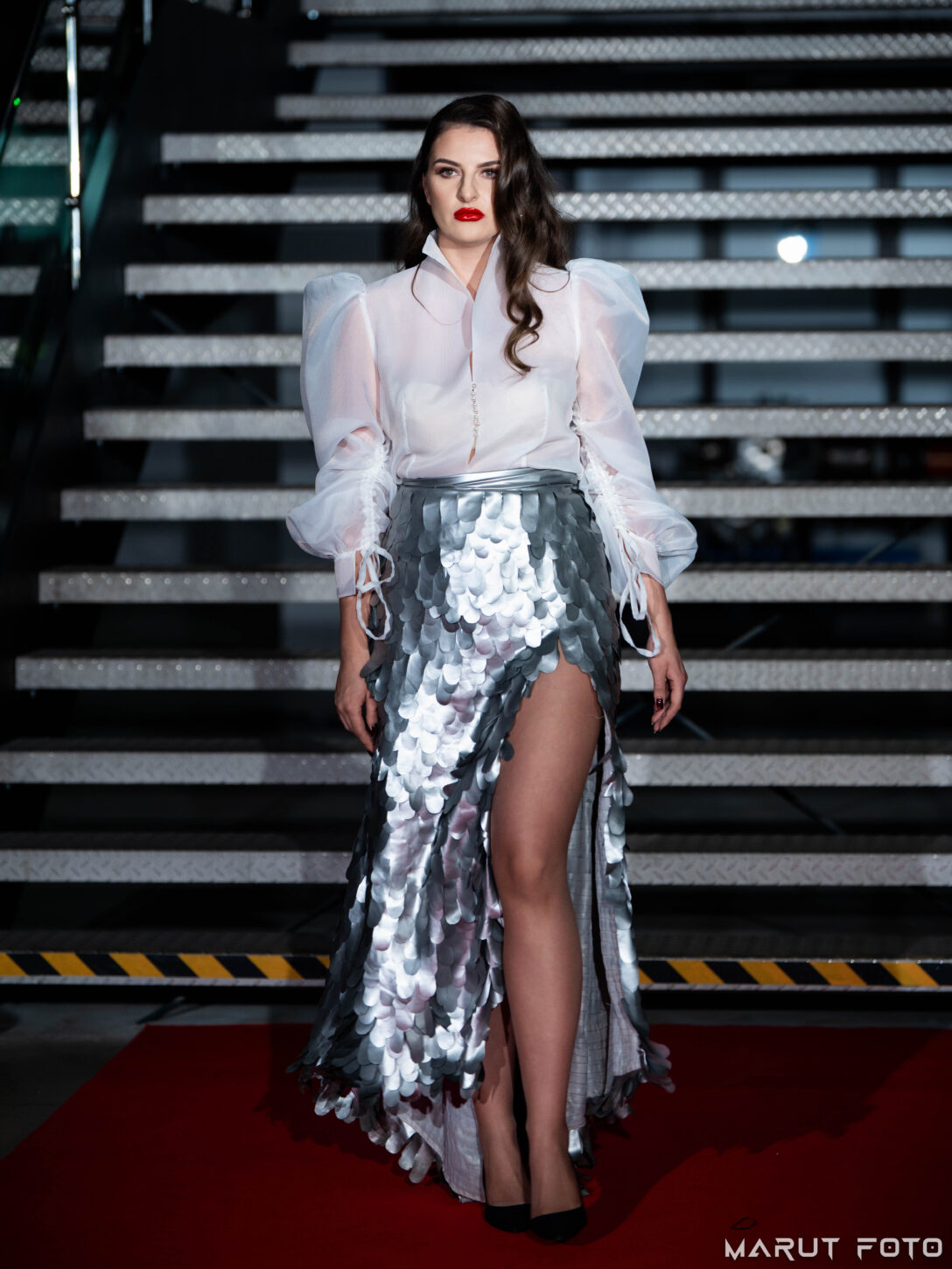
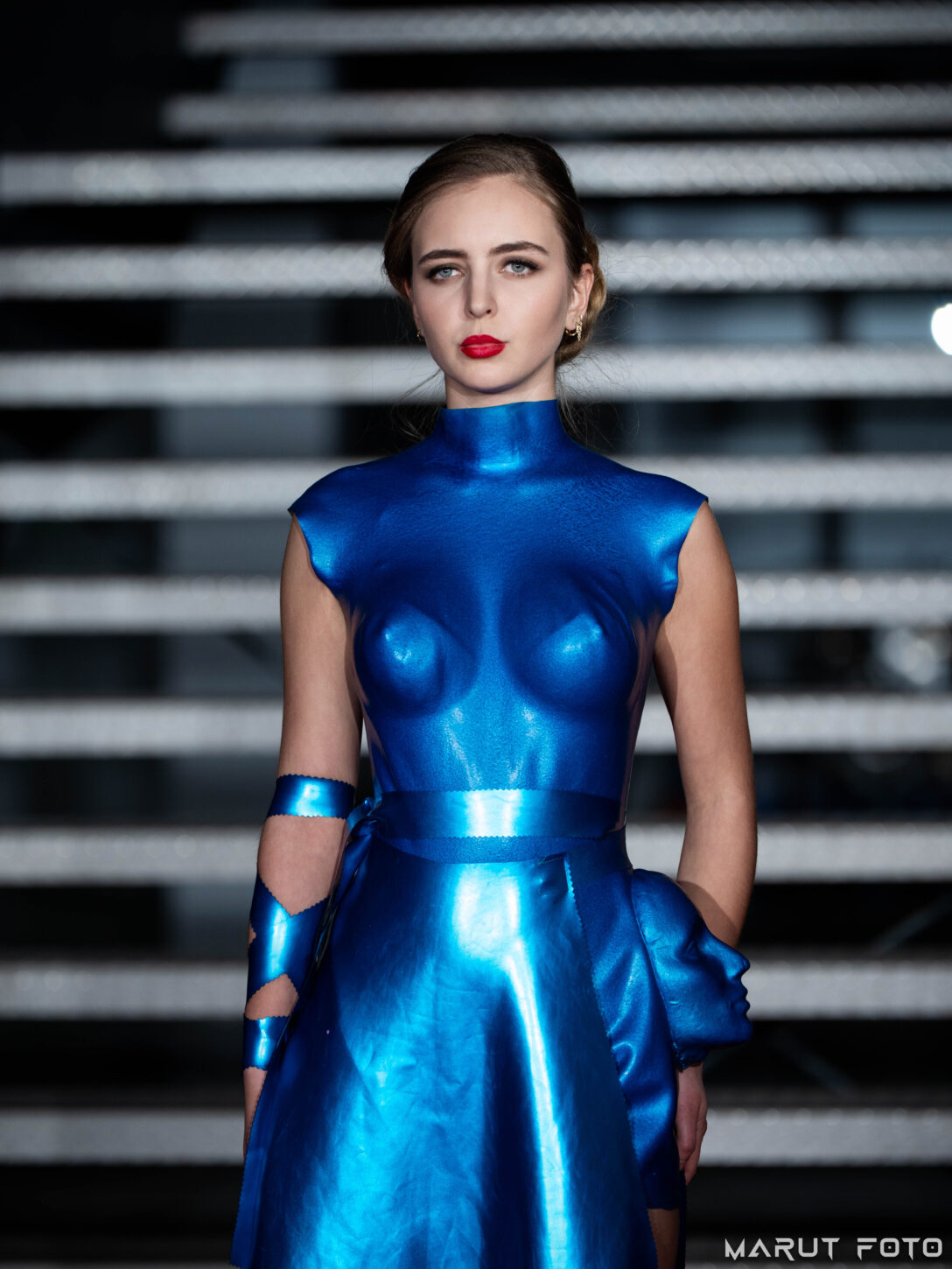
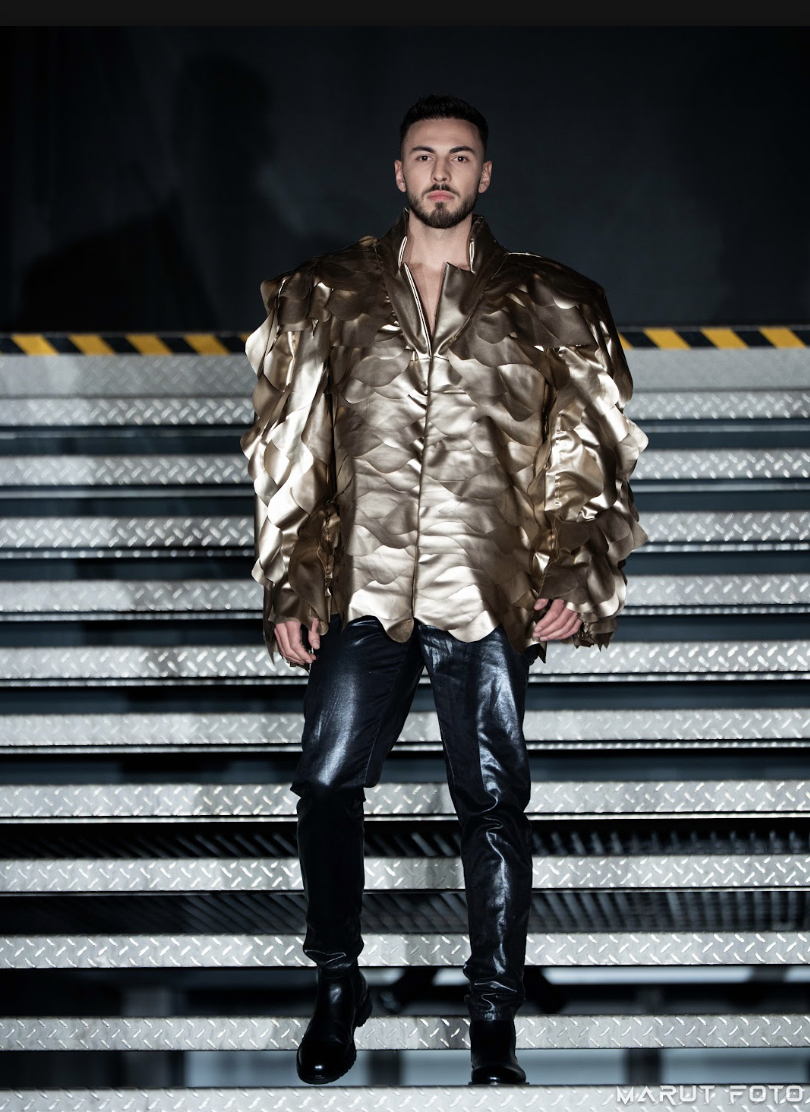
“The show went wonderfully — the whole thing looked very professional and world-class. My collection was additionally complemented during the show by stunning jewellery from Palomanegra Bijou by Ms Donata Marczak. Working with both Ms Ewa and all the other designers and models was a great pleasure — it was a wonderfully spent time in a very creative and inspiring circle,” he adds.
Wioletta Podsiadlik, whose collection also graced the festival runway, does not hide her delight:
“Taking part in an event devoted to the art of Art Déco was an incredibly inspiring and exceptional experience for me. It was an encounter with art, elegance, history and beauty that shows just how timeless fashion and design can be.”
— Wioletta Podsiadlik, designer
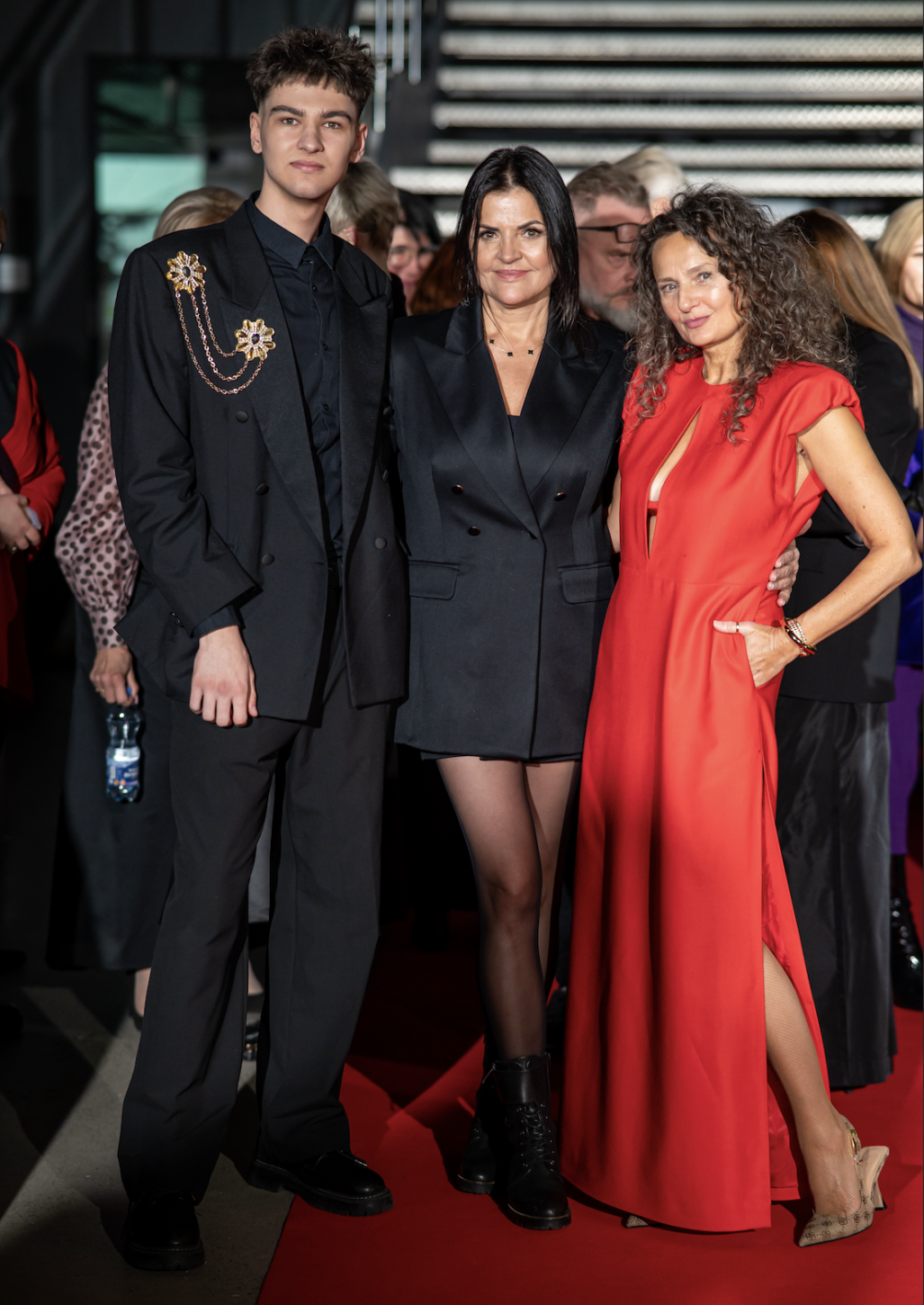
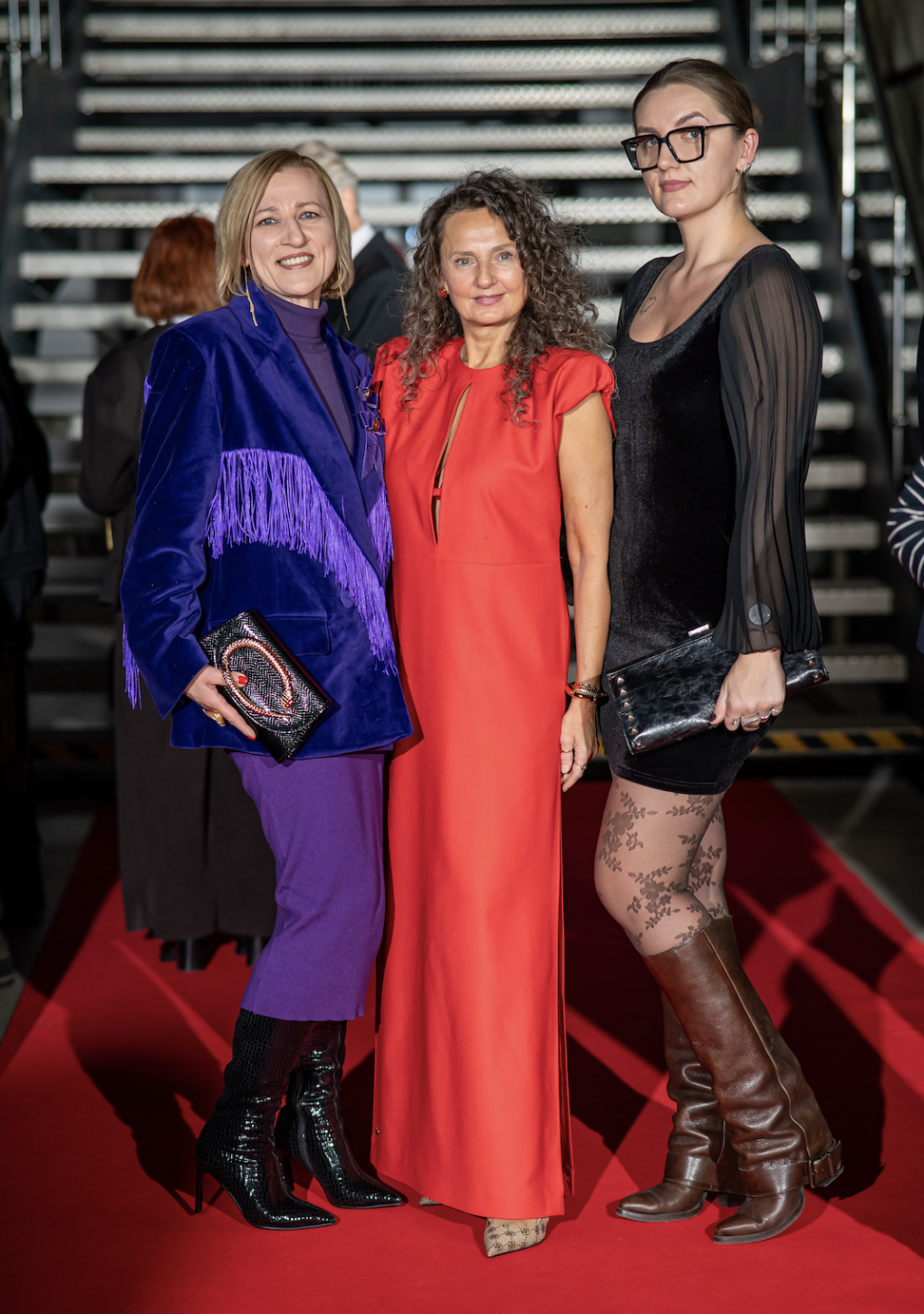
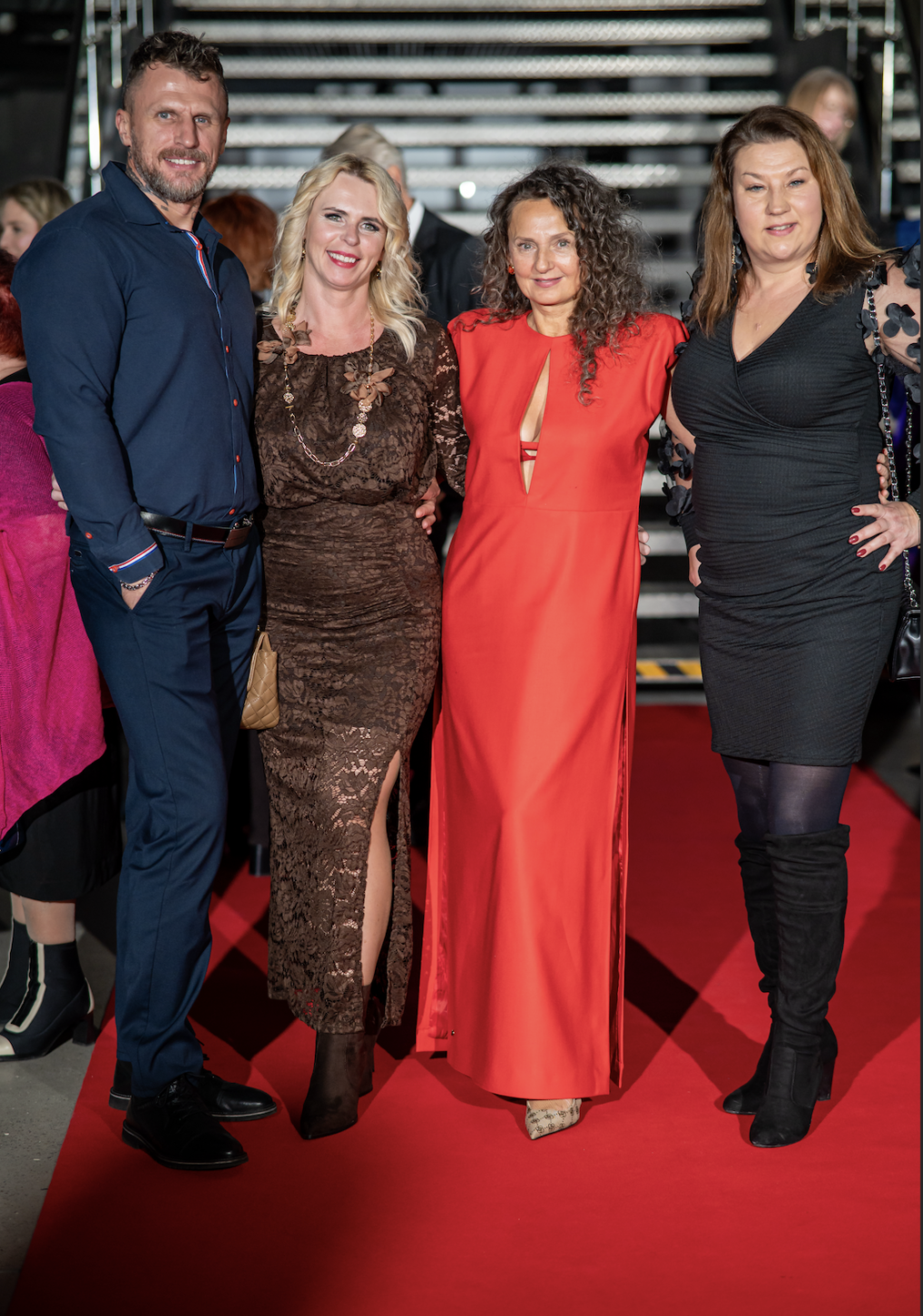
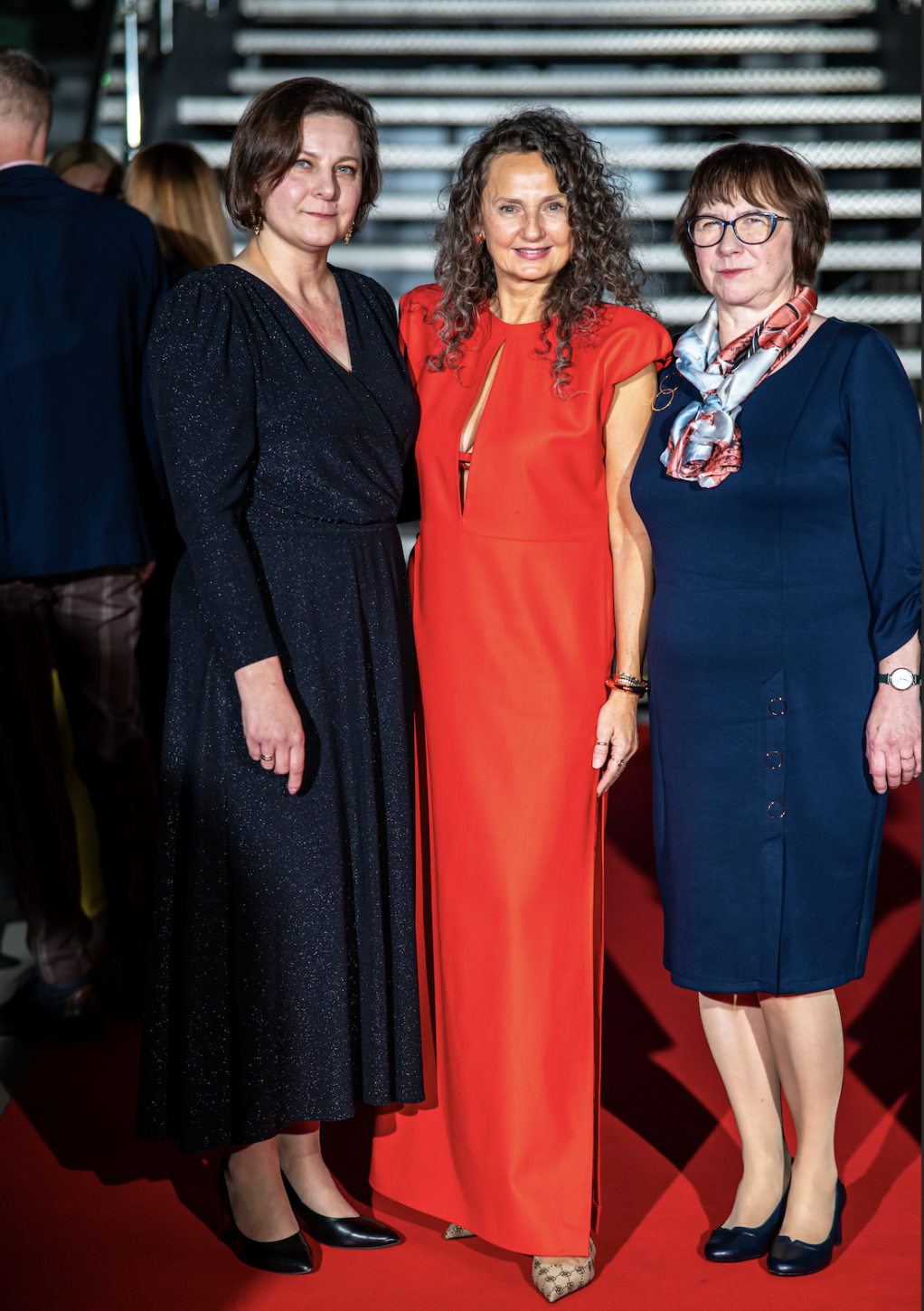
As she adds, the Art Déco aesthetic also accompanies her in her own designs: “As a fashion designer, I had the great pleasure not only of taking part in this event, but also of presenting my collection there. In my designs, I strive to combine artistic vision with tailoring craftsmanship, attention to detail and an individual approach to form. The Art Déco aesthetic — its geometry, nobility and love of beauty — is particularly close to my heart.” She also thanks the event’s hostess:
“It was a beautiful evening full of inspiration, a unique atmosphere and encounters with people for whom art holds special meaning. I sincerely thank Ewa Zbaraszewska for the invitation, the hospitality and the opportunity to be part of this extraordinary event. It was a true pleasure and a beautiful artistic experience.”
— Wioletta Podsiadlik, designer
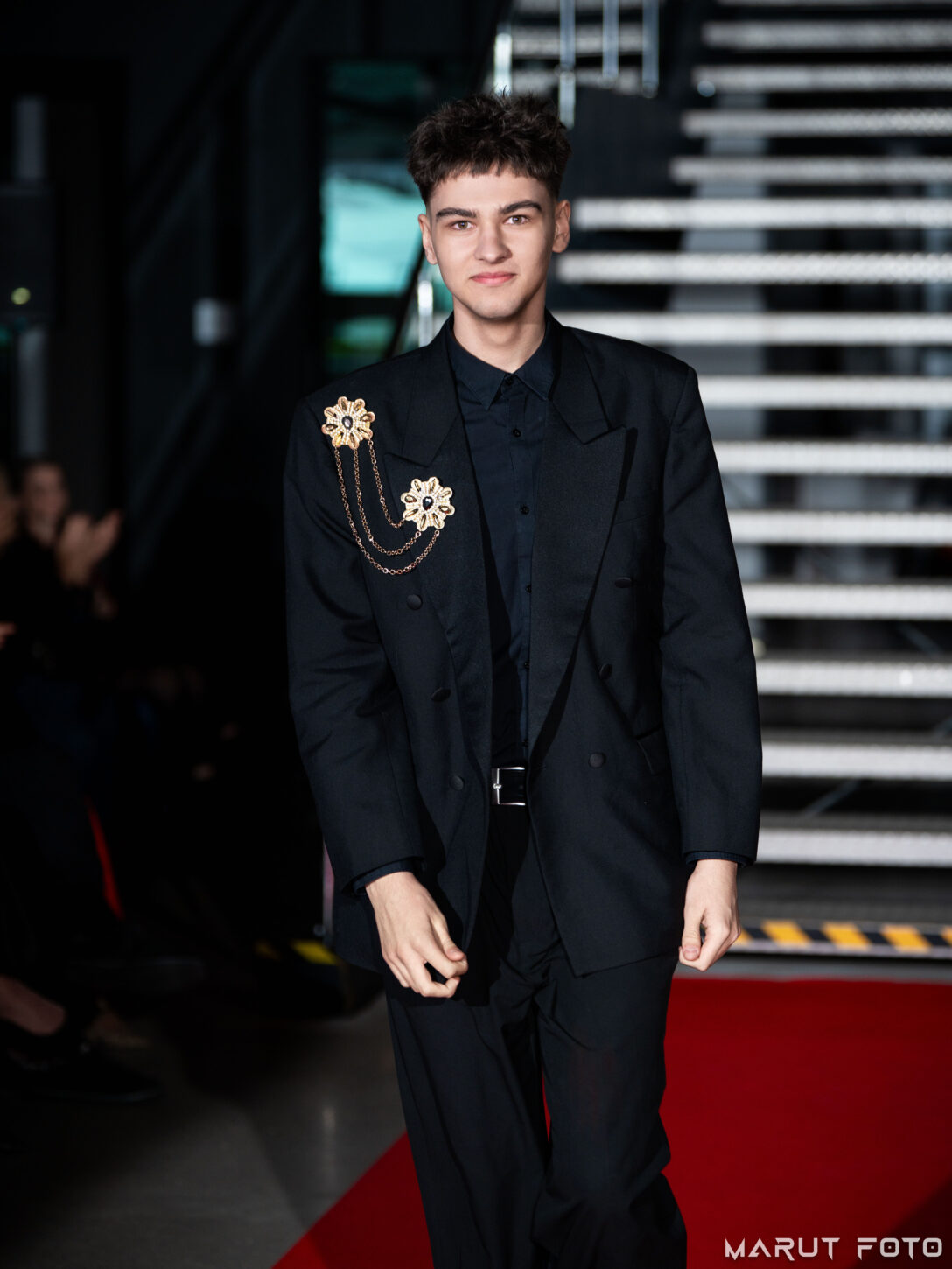
The festival was planned as a full two-day event. However, in connection with the tragic events in Kraków and the announcement of national mourning, the organizers decided to modify the Sunday program. The screening of the documentary “The True Story of Tamara de Lempicka,” directed by Julie Rubio, scheduled for the second day of the festival, has been rescheduled to November 22 at 6 PM at the Youth Cultural Center (MDK – Miejski Dom Kultury). Before the audience could immerse itself in the world of retro elegance on Saturday, the event opened with a moment of reflection — a minute of silence in memory of the victims of the terrorist attack in Kraków.
The organizers had made the event broadly accessible: entrance to the COP Museum during the festival cost just 1 PLN, while film screenings were free of charge. With its combination of education, fashion, and cinema, the second edition confirmed that the festival is establishing itself as a permanent and distinctive fixture on Poland’s cultural calendar — a small city with a big story to tell about the style of the interwar age.
Photos: Krystian Marut (Marut Foto) and Piotr Kiełbasa (photos without logo)
Make up and Hair: Magdalena Mazurek-Garboniak, Urszula Sapalska, Studio Makijaże Magdaleny
Models: Aurelle Models; Milena Rozalia Kmiecińska, Nikola Wilk, Aleksandra Kania, Karolina Maślach, Katarzyna Jarosz, Karolina Ordon, Weronika Rusinek, Gabriela Guźda, Alicja Pizło, Aleksandra Trzpiot, Edyta Kościelska, Katarzyna Malicka, Jakub Magierski
Media partners among others: JL Interviews, Serendipia pl, Moda Polska, Sztafeta pl, TVP Rzeszów, Polskie Radio Rzeszów, Nowiny
Written by Joanna Longawa
Leave a Reply