

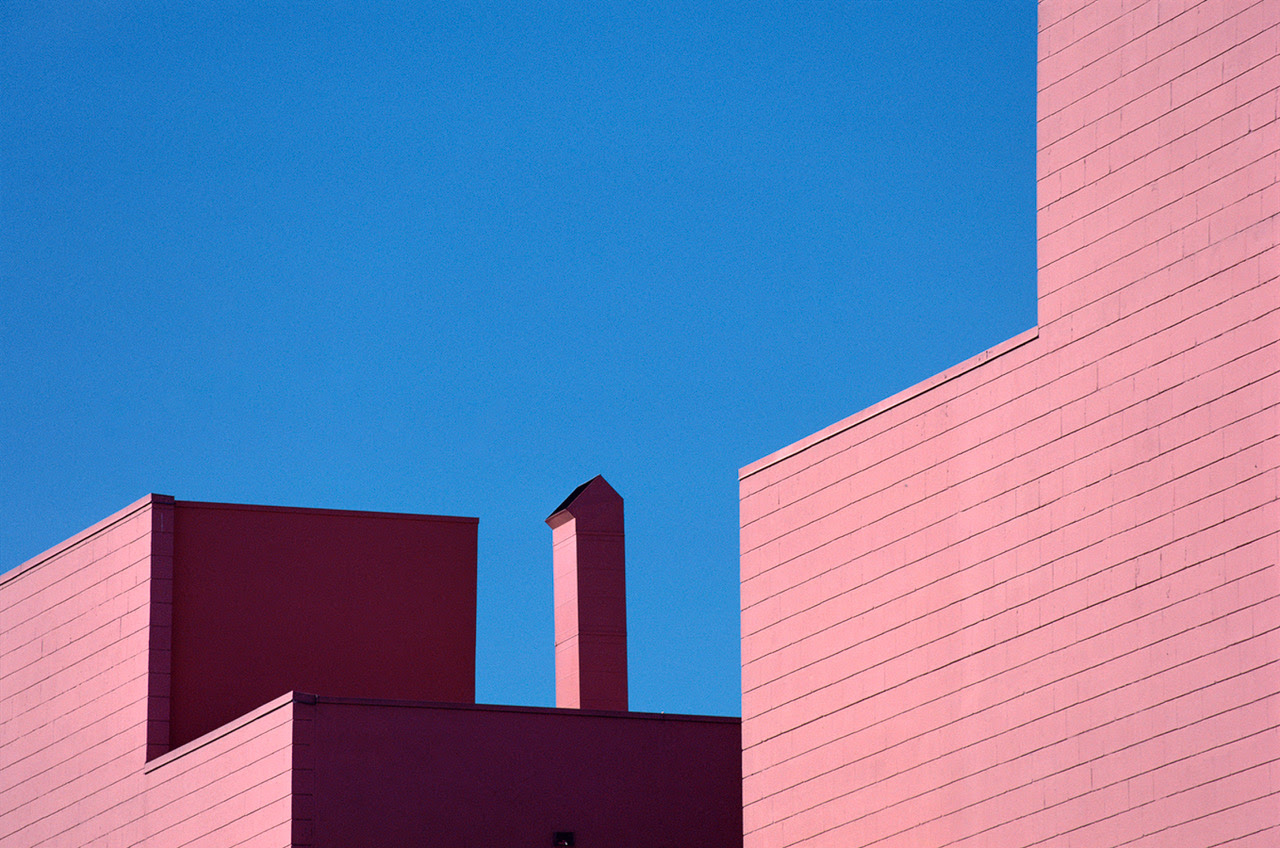
The Galleria Gracis continues its series of exhibitions devoted to the great masters of the twentieth-century Italian art by choosing, for autumn 2026, to explore the figures of two artists who — each within his own field of enquiry — may be considered true avant-gardists. Atanasio Soldati, the Parma-born master of postwar Italian abstraction, is set in dialogue with the images of Franco Fontana, the Modenese photographer among the most important names in Italy over the last decades, whose works are distinguished by their use of colour and the balance of their composition.
Atanasio Soldati – Franco Fontana: Explorations in Form and Colour. From Abstraction to the Photographic Avant-Garde, 1930–2017 is the exhibition, realised in collaboration with the Galleria Photo & Contemporary of Turin, which from 7 October to 23 December 2026 seeks to create a dialogue between two artistic enquiries that — though belonging to different languages — share a deep visual and conceptual affinity. Through the confrontation of images, forms and surfaces, the project intends to bring to light formal assonances, chromatic rhythms and compositional tensions that lead towards a dimension of abstraction, where colour and the construction of space become central elements of perception.
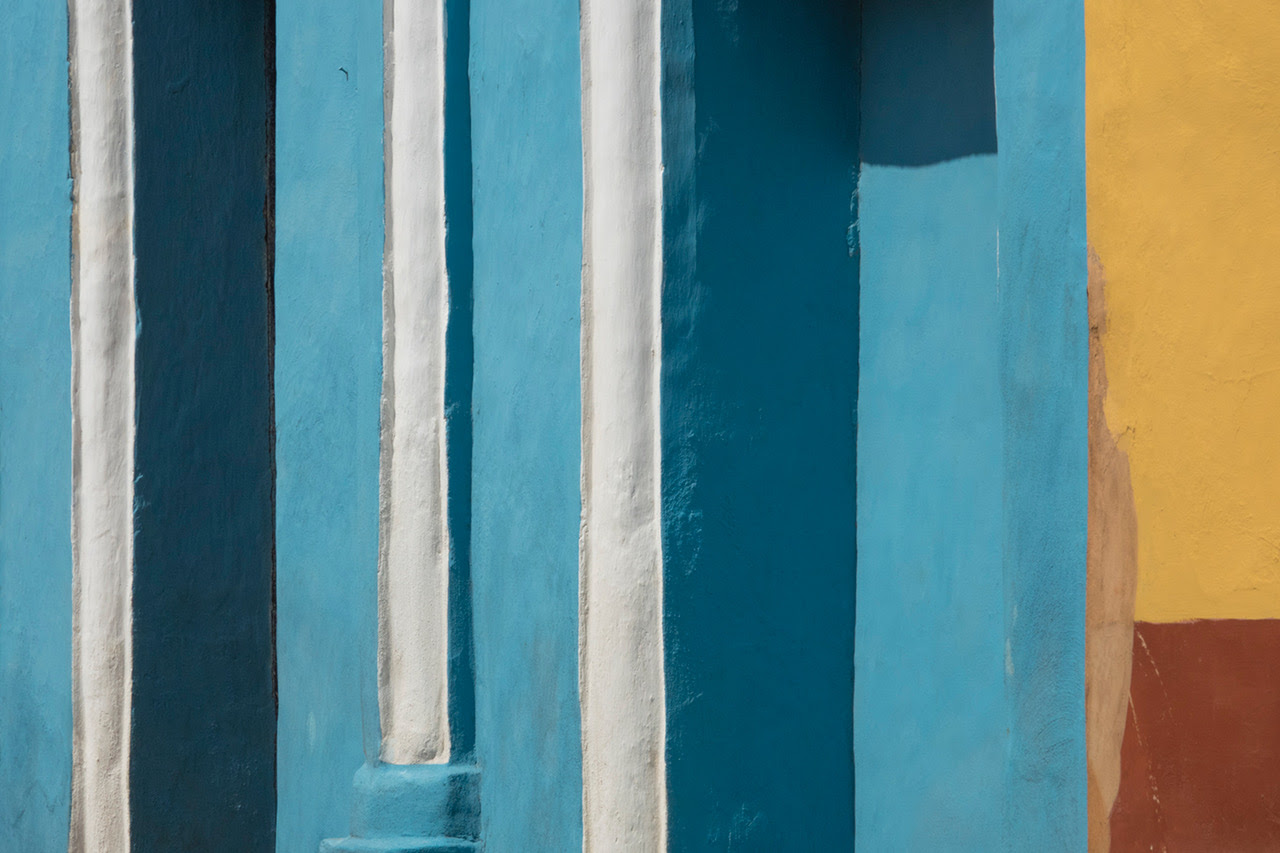
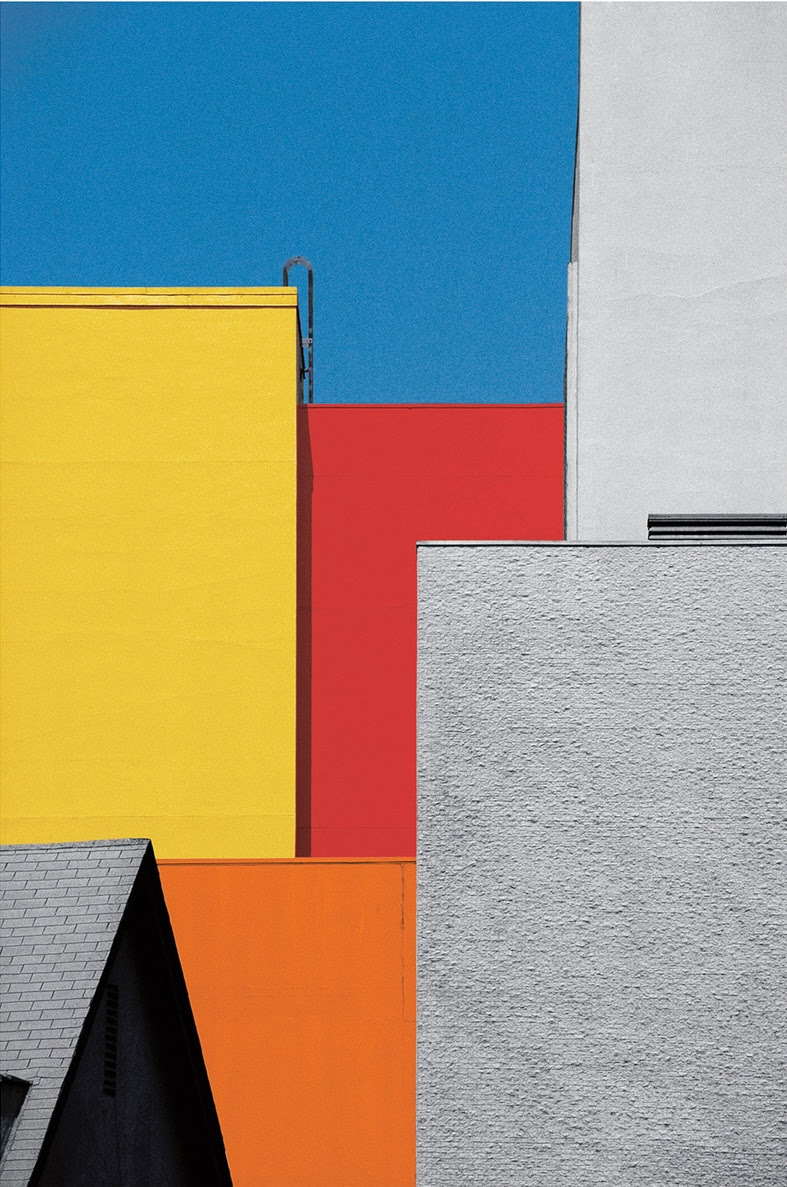
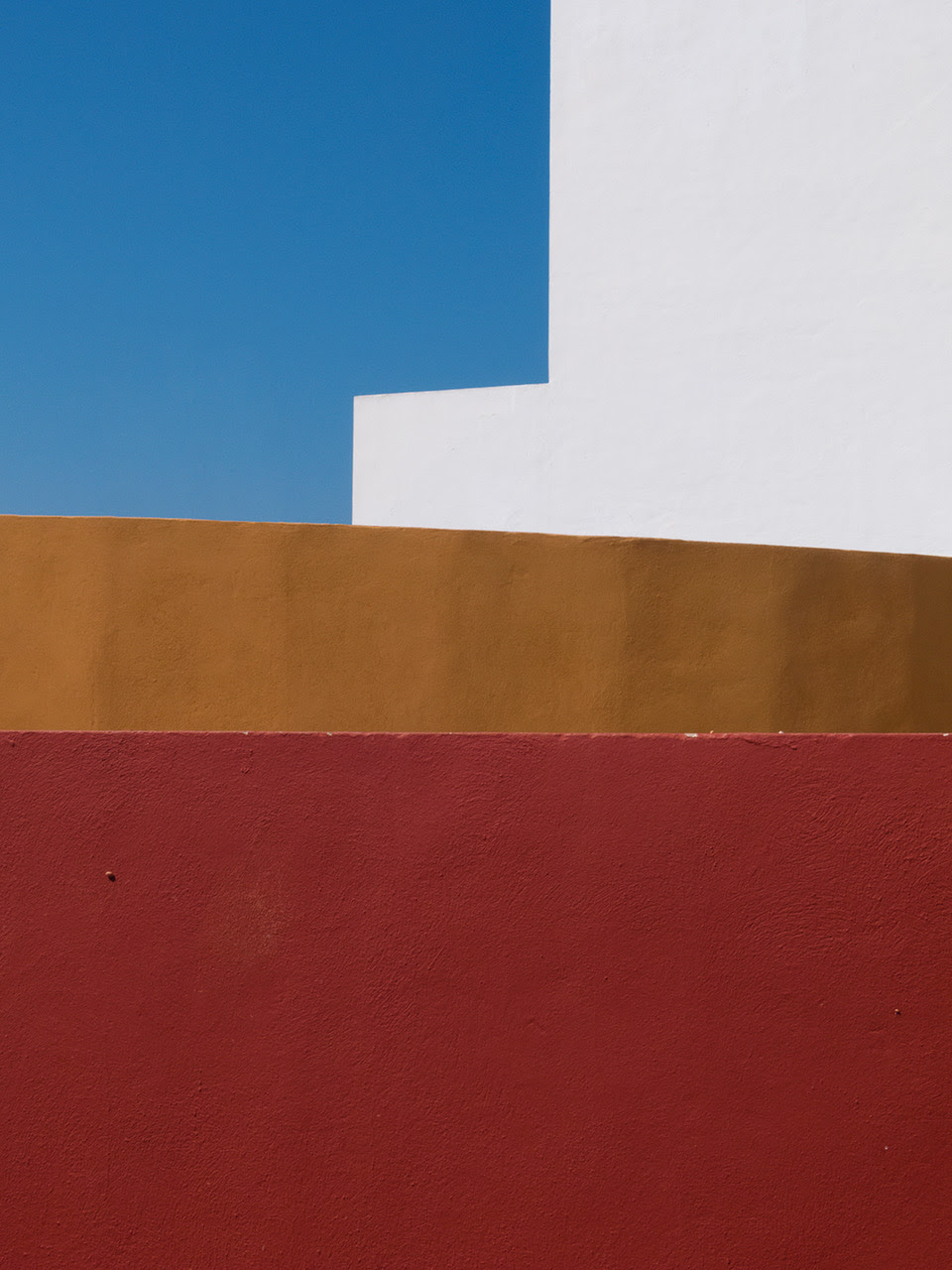
Franco Fontana, who passed away on 29 August 2026, was born in Modena in 1933. Approaching photography as a self-taught artist, he soon transformed an amateur passion into a professional pursuit that would make him one of the most authoritative Italian photographers on the international scene. From the 1960s onwards he developed a wholly personal language, revolutionising the role of colour in photography: no longer a mere descriptive element, but an authentic compositional structure of the image. Through sharply defined chromatic fields, essential lines and rigorous geometries, Fontana interprets landscapes and architecture as autonomous visual constructions, suspended between reality and perception. As he himself declared: “Taking a photograph is a matter of thought. You must photograph what you feel, not what you see […] images are an emanation of the photographer; they translate into a universally comprehensible language his interpretation of the world. Through his gaze, the photographer makes the invisible visible; and it is then that photography becomes invention.” (Franco Fontana, Francesca Parravicini, Fotografia Creativa, Mondadori, Milan, 2016).
His images give life to spaces permeated by a dimension of temporal suspension that overcomes the traditional limits of the photographic medium; it is no longer the recording of the visible world but becomes an autonomous vision — rarefied and contemplative — in which colour is the protagonist and not a means.
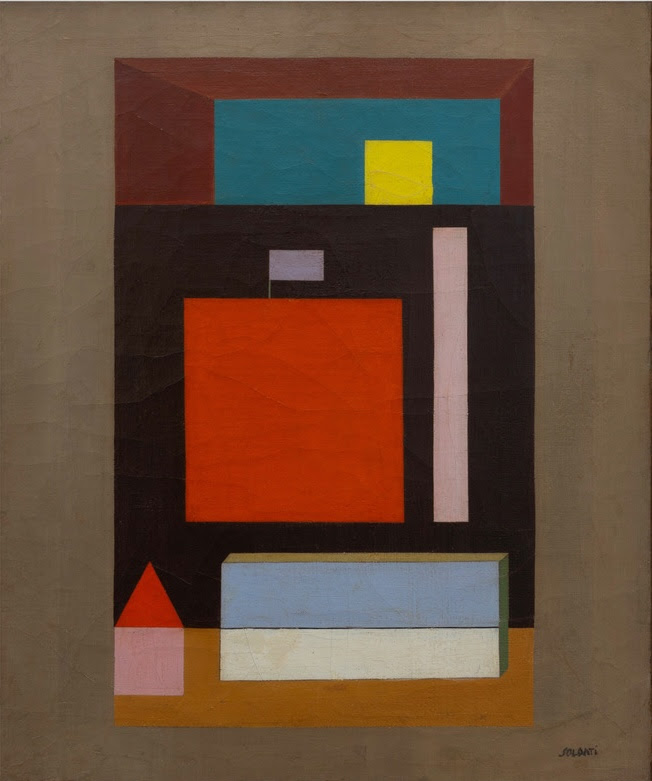

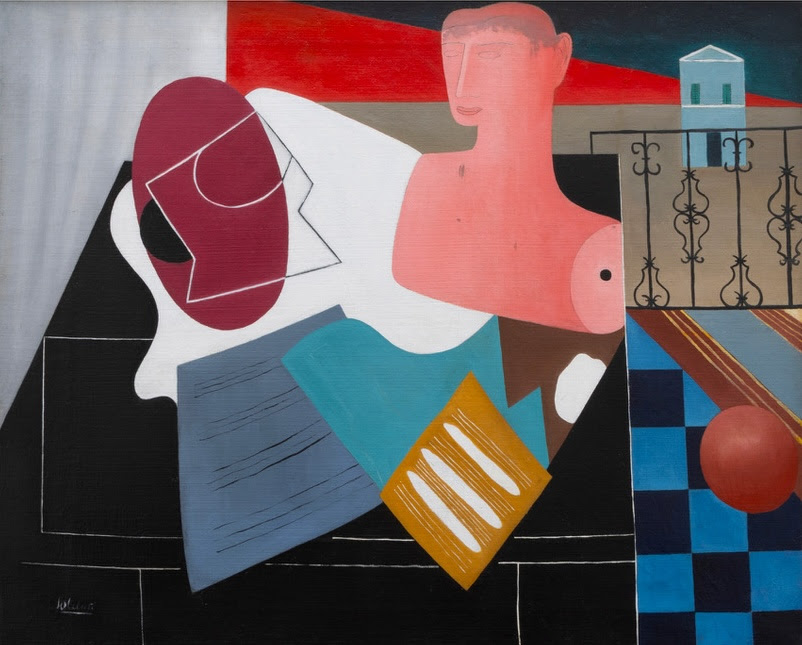
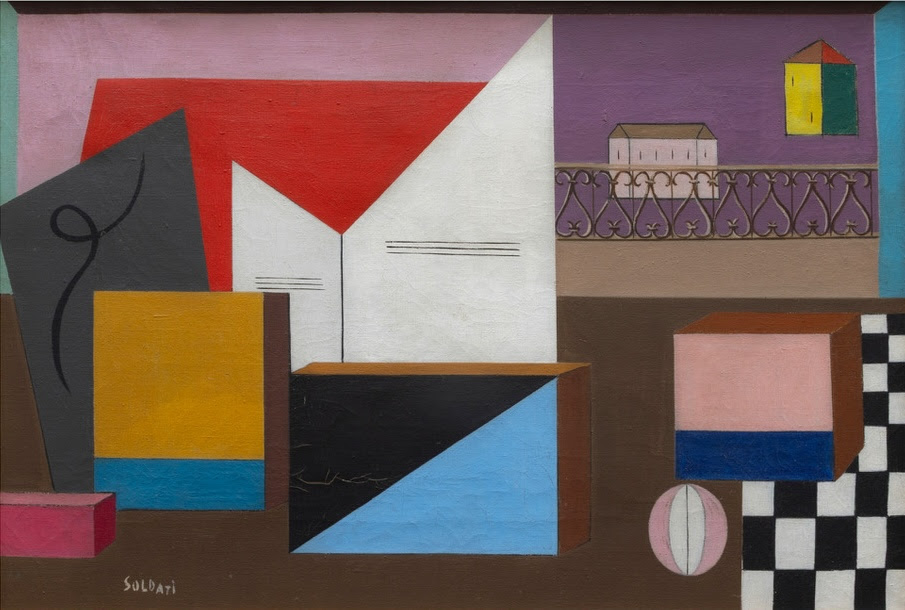
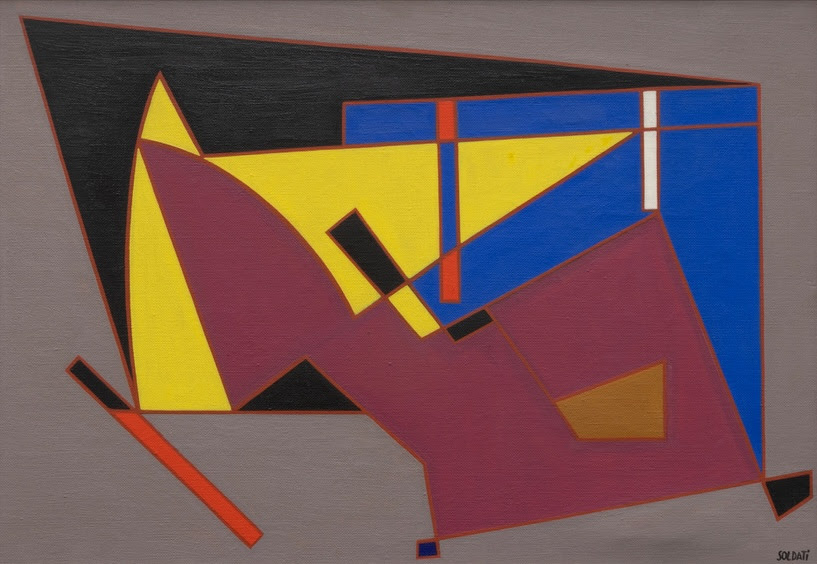
It is precisely this conception of the image, understood as a re-reading of reality and not as its simple registration, that finds a profound point of contact with the pictorial research of Atanasio Soldati, united by the same tension towards a formal synthesis, entrusted to colour and to the rigour of geometric lines as instruments for the construction of the image. Soldati was born in Parma in 1896 and died in 1953. He trained as an architect before devoting himself entirely to painting, and through his artistic research he contributed to the definition of the abstract language in Italy: in his works, Soldati reconstructs a mental, suspended, enigmatic, atemporal space, where the city and landscapes become structures of formal and volumetric relations, in which the metaphysical echo is clear — making one perceive the silence and suspension of these non-lieux. Constant attention is given to colour, protagonist of the canvases, laid in flat tints and characterised by vivid tones, with contrasts always calibrated and saturated in the sharp definition of the chromatic fields. In 1935, writing for the Bollettino della Galleria Il Milione, he described his poetics thus: “The initial moments of all the arts are the richest in poetry, because poetry is made of primitiveness and not of experience. Abstract painting (even if the adjective may not be suitable) loves analysis, order, the harmonious relations of geometry, clarity — as is true of every work of art, of any time, from the Parthenon to Piero della Francesca. Every line, like every form, is a miracle. Mystery of art. Lines love space, they create rhythms, logically functions. […]”.
By setting the works of these two artists side by side it is easy to trace a parallel between compositions built on rhythmic lines, superimposed planes, and geometries constructed from light and colour, always vivid and vibrant. Landscape and city become for both elements to be reinterpreted subjectively through colour, light and volumes — and so reality is not documented but interpreted; both painter and photographer claim in their works the interpretive freedom to analyse the real.
In the Galleria Gracis exhibition, Fontana’s urban landscapes are set against Soldati’s canvases, creating harmony between the vertical and horizontal rhythms of the two artists and bringing together works that share chromatic and framing assonance. The visible is re-analysed according to new patterns; the harmony of an object or a landscape becomes an object of meditation and formal simplification. The exhibition itinerary is completed by a focus dedicated to Franco Fontana’s natural landscapes, which offers a glimpse of a further chapter in his research and restores the extraordinary coherence of his language, where even nature becomes the occasion for an essential and deeply personal vision.
Atanasio Soldati – Franco Fontana: Explorations in Form and Colour. From Abstraction to the Photographic Avant-Garde, 1930–2017 thus takes shape as an enquiry into the gaze, in which painting and photography concur in redefining the boundaries of our perception of the real.
The Galleria Gracis’ exhibition programme continues in February 2027 with a show devoted to the contemporary, a solo exhibition by the artist Giulia Marchi, who is developing a site-specific project.
Photo credits: Franco Fontana, Portrait, 2023. © Fraco Fontana • Franco Fontana, Los Angeles, 1990, © Franco Fontana • Atanasio Soldati, Composizione con busto rosso, 1933, Courtesy Galleria Gracis
Leave a Reply